
AI Executive Summary
"This article analyzes the systemic shift toward analog experiences as a biological response to digital overload. It bridges the gap between consumer trends and industrial growth in analog sensors, offering a strategic framework for understanding cognitive sovereignty."
The Great Sensory Void
We have spent two decades optimizing for the frictionless. The goal was a world where every desire is a click away and every interaction is mediated by a pane of Gorilla Glass. Yet, this frictionless existence has created a profound sensory deficit. The modern human is effectively living in a state of tactile starvation, where the richness of the physical world is replaced by the sterile efficiency of the interface. Is it any wonder that we are seeing a systemic pivot back to the tangible? This is not a whimsical trend driven by the aesthetic of the 1970s; it is a biological correction.
The tension is rooted in what researchers from the Singapore University of Technology and Design (SUTD) and James Cook University describe as an evolutionary mismatch. Our brains evolved in small, close-knit groups, designed for the immediate threats and familiar faces of a physical landscape. Now, those same instincts must navigate the sprawling, impersonal architecture of digital platforms and dense urban centers. This misalignment creates a persistent internal confusion, where the responses that once ensured our survival in a forest now manifest as chronic stress and loneliness in a smart city.
"Human instincts shaped in small, close-knit groups must now navigate dense cities, digital platforms and constant social comparison—an evolutionary mismatch that may contribute to stress, loneliness and poorer wellbeing."— SUTD and James Cook University Research
When the environment no longer mirrors the biological needs of the organism, the organism seeks out artifacts that do. The return to physical media—vinyl records, film photography, hand-bound journals—is an attempt to re-anchor the mind in a world that feels real. By engaging with objects that have weight, texture, and a finite existence, individuals are attempting to resolve the psychic friction caused by the infinite, weightless nature of the digital cloud.
The 47-Second Ceiling
The cost of this digital migration is most evident in our cognitive architecture. Gloria Mark, a leading expert on attention, has tracked a devastating decline in how we engage with screens over the last twenty years. The average attention span on digital devices has plummeted to approximately 47 seconds. We are no longer reading; we are scanning. We are no longer listening; we are monitoring. This erosion of deep focus is not a personal failure of willpower but a systemic outcome of an environment designed to fragment our attention for profit.
In response, a counter-culture of attention-span-maxxing has emerged. This is a deliberate, strategic effort to rebuild the brain's capacity for focus through high-effort cognitive activities. Reading deep-form physical books or watching long-form content without the interruption of a second screen are not just hobbies—they are cognitive exercises. The goal is to reclaim the ability to sustain thought, moving away from the dopamine-loop of the infinite scroll and back toward a state of genuine cognitive engagement.
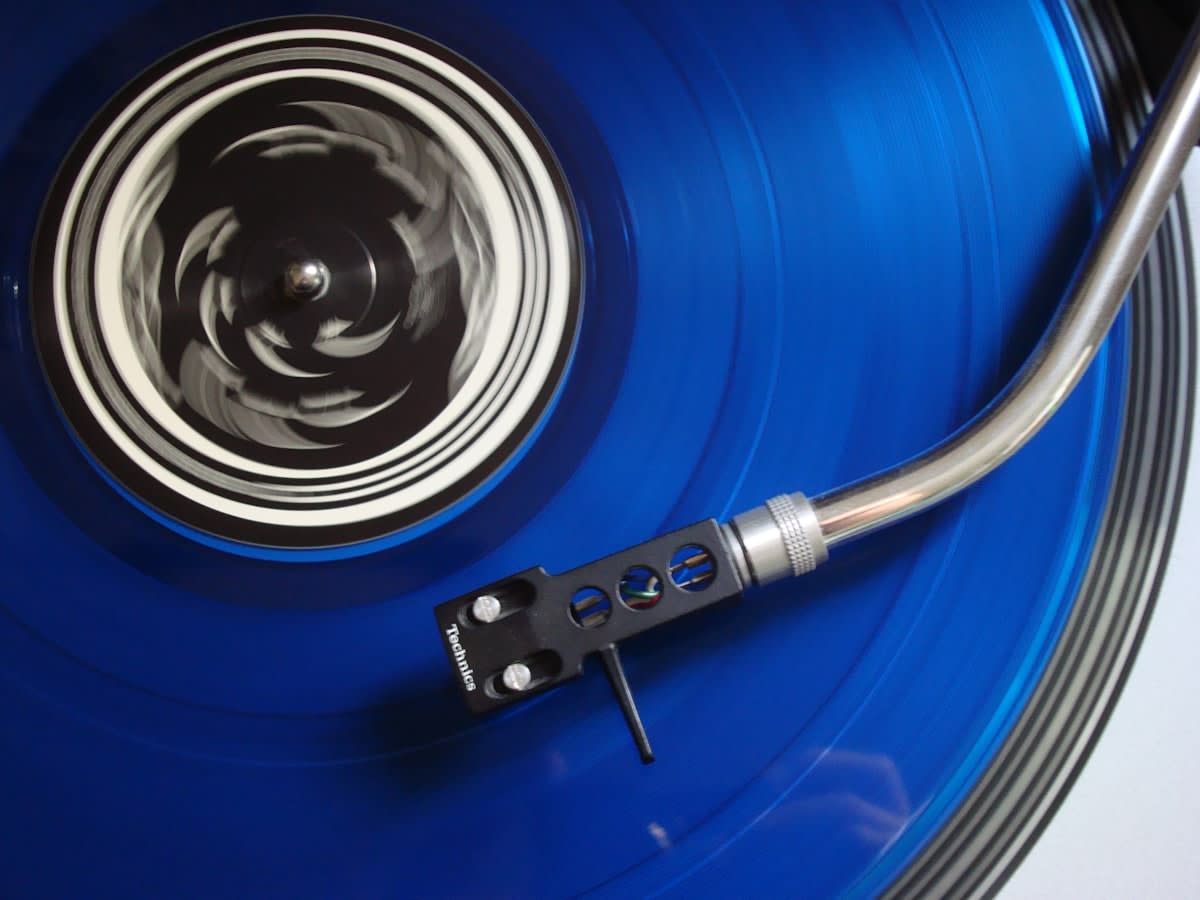
This cognitive reclamation is not happening in a vacuum; it is mirrored by a massive industrial shift toward analog precision.
The Industrialization of the Tangible
While consumers buy record players, the industrial sector is doubling down on the physical. The market for analog sensors is seeing a surprising resurgence, particularly in Europe. In Germany, the analog sensors market is estimated to generate revenues between €2.5 billion and €3.5 billion at the point of production in 2026. This is not a legacy market clinging to the past; it is a growth sector with a projected compound annual growth rate (CAGR) of 4.5% to 5.5% through 2035.
| Market Metric | Germany Analog Sensors (2026 Est.) | Forecast Horizon |
|---|---|---|
| Estimated Revenue | €2.5B – €3.5B | 2026 |
| Projected CAGR | 4.5% – 5.5% | Through 2035 |
| Market Status | Growth/Expansion | Long-term |
The United Kingdom is mirroring this trajectory, with significant market analysis and forecasting extending to 2035. The drive toward analog sensors in industrial contexts represents a quest for ground truth. In an era of simulated data and algorithmic approximations, the analog sensor provides a direct, physical measurement of reality. This industrial pivot suggests that even at the highest levels of engineering, there is a recognition that the digital layer is an abstraction that occasionally fails to capture the nuance of the physical world.
When we connect the industrial demand for analog sensors with the consumer demand for physical media, a pattern emerges. We are witnessing a global hedge against digital fragility. Whether it is a factory in Germany ensuring precise physical measurements or a student in London returning to analog photography, the underlying impulse is the same: a desire for a reliable, tangible connection to the material world.
The Ritual as Resistance
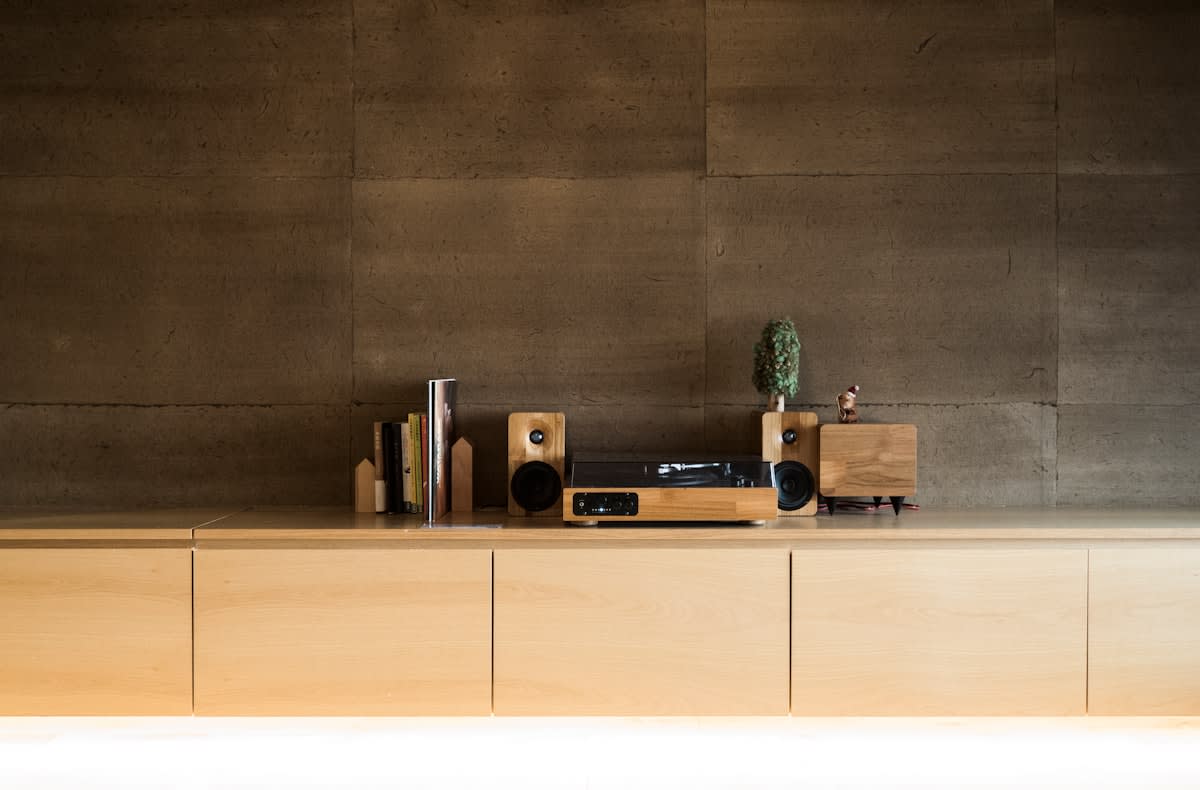
This shift is perhaps most visible in the reclamation of listening. In Seattle, the Shibuya HiFi bar has become a sanctuary where curated listening sessions regularly sell out. This is not about the audio quality alone—though that is a factor—but about the ritual. The act of sitting in a room, stripped of the distraction of a smartphone, and focusing entirely on a piece of music is a radical act of presence. It transforms music from a background utility into a foreground experience.
Engineers like Devon Turnbull, through his company Ojas, are taking this further by designing high-end speakers and listening rooms specifically for public and private spaces. By treating the listening environment as a physical architecture, Turnbull is fighting the trend of the portable, isolated audio experience. These spaces are designed to facilitate a collective, tactile engagement with sound, turning the act of listening back into a social and spatial event rather than a solitary digital consumption habit.
This return to the physical is not merely a cognitive luxury; it is a psychosocial buffer. Research indicates that the toll of stress on mental health is noticeably softened on days when individuals engage in small, prosocial, and tangible acts of kindness. The physical act of helping another person—a real-world interaction—creates a mood-stabilizing effect that digital interactions cannot replicate. This suggests that the tactile turn is closely linked to our emotional resilience.
The Strategic Pivot
The return to analog is not a retreat into the past, but a strategic move toward cognitive sovereignty. By intentionally choosing physical constraints over digital infinity, we reclaim our attention and our biological equilibrium.
Ultimately, the tactile turn is a symptom of a larger realization: the digital world is a tool, not a habitat. While the efficiency of the cloud is undeniable, it cannot satisfy the ancestral requirements of the human mind. The growth in analog sensor markets, the rise of HiFi sanctuaries, and the movement toward attention-span-maxxing are all pieces of the same puzzle. We are learning to integrate the speed of the digital with the stability of the physical.
The future of design and media will not be a choice between analog and digital, but a sophisticated hybrid. The winners in this new landscape will be those who understand how to use digital tools to facilitate physical experiences. The goal is no longer to eliminate friction, but to introduce the right kind of friction—the kind that makes us slow down, look up, and feel the weight of the world around us.