AI Executive Summary
"This article analyzes the strategic tension between India's AI-driven economic scaling and a surge in global geopolitical instability. It highlights the importance of adaptive infrastructure and financial inclusion as critical hedges against systemic volatility."
The Digital Leap: Chasing One Billion
India is not just participating in the digital payments race; it is redefining the track. This June, the National Payments Corporation of India (NPCI) signaled a massive shift. Currently, the Unified Payment Interface (UPI) handles a staggering 750 million transactions daily. But the target has moved. The goal is now one billion. How do you bridge that 250-million-transaction gap? The answer is AI.
"AI will be used very effectively when we look at the next wave of UPI, and that includes all aspects, including reaching new users."— Dilip Asbe, MD and CEO of NPCI
The strategy is precise. NPCI isn't just looking for more users; they are hunting for the next half a billion. By integrating multilingual interfaces and voice assistants, the government and central bank aim to strip away the literacy and technical barriers that have historically locked out rural populations. It is a bold bet on voice models to become the primary interface for financial agency.

The AI Catalyst
AI is moving beyond the chatbot. In the payment sector, it is now the engine for fraud prevention, credit distribution, and onboarding the unbanked.
While the digital layer evolves, the physical industrial base is receiving a similar shot of adrenaline. Look at Rajasthan. This past weekend, Chief Minister Bhajan Lal Sharma didn't just celebrate International MSME Day; he launched a structural overhaul.
Rajasthan's Industrial Gambit
The Rajasthan Industrial Development Policy is a roadmap to a USD 350 billion economy by 2028-29. This isn't vague aspiration. The state has already deployed an immediate financial package exceeding Rs 13 crore to fuel startups, electronics manufacturing, and traditional handicrafts. It is a localized push designed to plug into a global manufacturing supply chain.
| Metric | Target/Value | Timeline/Scope |
|---|---|---|
| Provincial Economy Goal | USD 350 Billion | By 2028-29 |
| Immediate Capital Injection | Rs 13 Crore+ | June 2026 |
| UPI Daily Transactions | 1 Billion+ | Next Growth Phase |
But here is the friction. While India builds, the rest of the world is simmering. The contrast between the optimistic growth in Jaipur and the volatility in the Middle East is jarring.
The Friction Point: A World in Flux
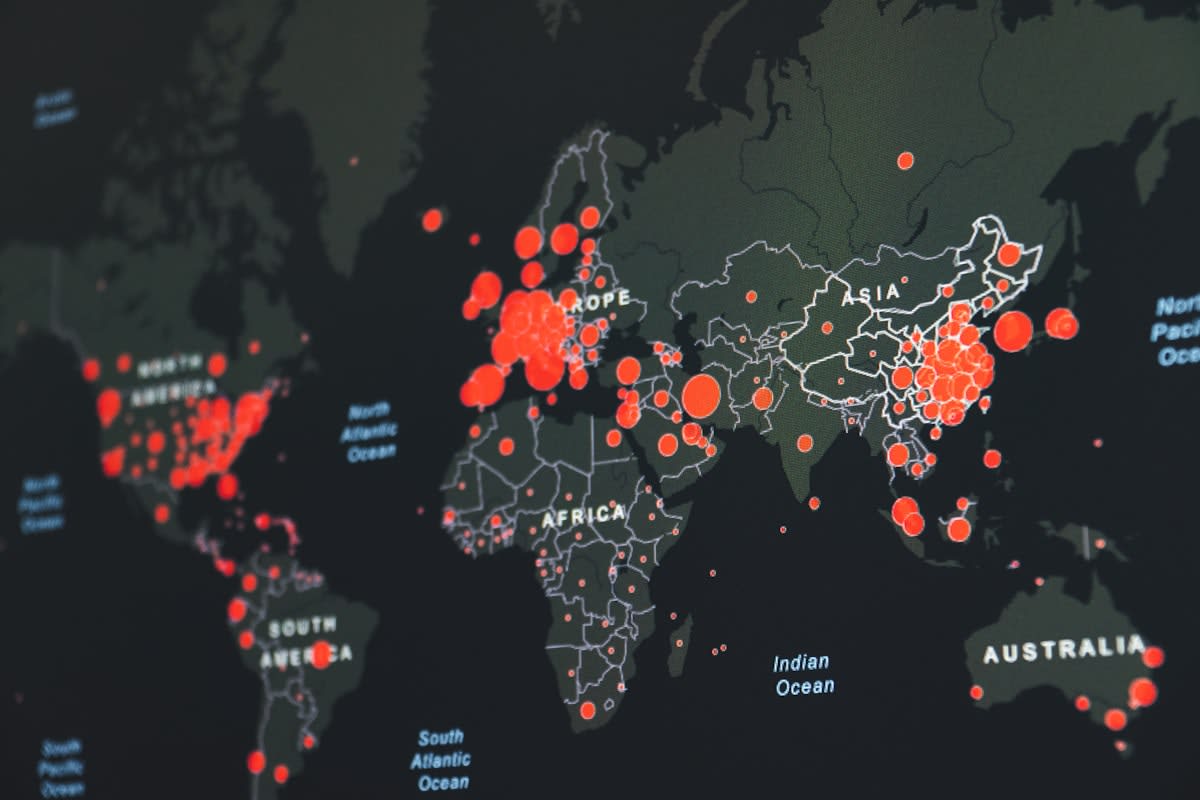
Data from Verisk Maplecroft reveals a terrifying delta. Global civil unrest has hit a six-year high. The most explosive surge? Iraq. Protest activity there jumped 671% in the second quarter of 2026, skyrocketing from 5,806 events a year ago to 44,763. This isn't an isolated incident; it's a systemic tremor.
Relative Rise in Protest Activity (Q2 2025 vs Q2 2026)
Executive Insight
+18.4%
YTD Growth
The contagion is wide. The US saw a 458% increase in activity, while the Netherlands climbed 476%. Even India, despite its economic momentum, saw protest activity rise 119% to over 583,000 events. Inflationary pressures from shipping disruptions and energy infrastructure damage are the invisible hands driving this volatility.
How do markets react to this chaos? They lean on the indexes of power. The MSCI Emerging Markets Index, for instance, remains heavily dependent on a few giants. Samsung and SK Hynix alone make up nearly 15% of the benchmark. When the chip giants sneeze, trillions of investment dollars move. It is a fragile equilibrium.
Amidst the noise, the winners are those prioritizing resilience. Ireland is already eyeing infrastructure boosts to stop multinationals from fleeing as tax rules shift. The lesson of June 2026 is clear: stability is no longer a given, but strategic adaptation—whether through AI in Mumbai or infrastructure in Dublin—is the only viable hedge.