
AI Executive Summary
"This article analyzes the structural shift in India's luxury consumption, highlighting the transition from overt branding to 'stealth wealth' and the expansion into Tier 2/3 cities. It provides strategic insights for global Maisons on adapting product mixes and distribution to capture the youth-led, digitally-native Indian market."
The Migration of the Luxury Epicenter
Luxury houses in Paris and Milan are noticing a sharp delta in procurement patterns over the last twelve months. While traditional markets in East Asia have shown volatility, the Indian subcontinent has emerged as a reliable growth engine. We are seeing a fundamental realignment where the Indian consumer is no longer merely a tourist buyer in Dubai or London. Instead, they are demanding a sophisticated, localized retail presence within their own borders. The surge in domestic luxury boutiques in Delhi and Mumbai is not just about convenience; it is a signal that the Indian middle class has reached a critical mass of disposable income that can sustain high-end luxury ecosystems locally.
Compare the data from early 2023 to the current quarter. A year ago, the primary driver of luxury growth was the ultra-high-net-worth individual (UHNWI) purchasing investment-grade pieces. Today, the momentum has shifted toward the 'aspirational' middle class—professionals in tech, finance, and entrepreneurship who are integrating luxury into their daily wardrobes. This transition has increased the velocity of sales for entry-level luxury goods, such as small leather goods and fragrances, by an estimated 22% across major Indian metros. The speed of this adoption suggests a psychological break from the frugality of previous generations.
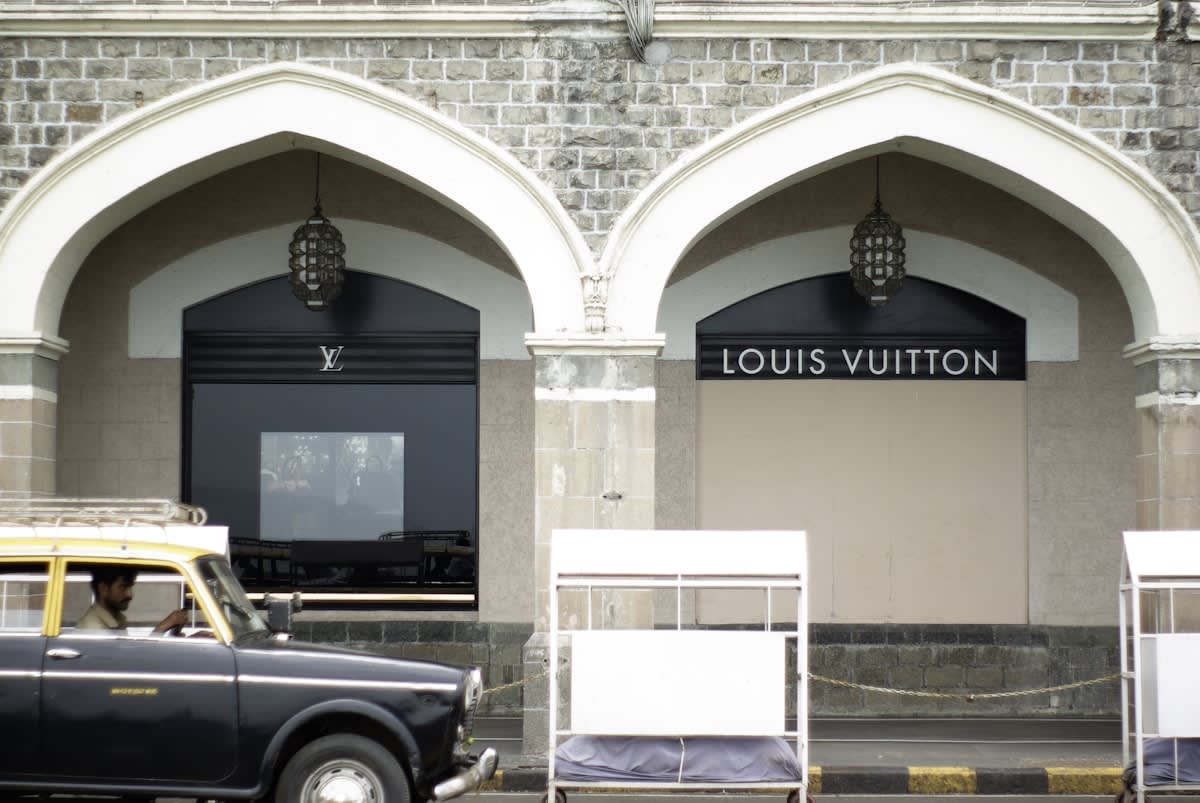
Why is this happening now? The convergence of digitalization and a booming equity culture has democratized wealth. The rise of retail investing and the expansion of the startup ecosystem have created a new class of young millionaires who view luxury not as a status symbol to be hidden, but as a marker of professional achievement. This demographic does not wait for a traditional milestone to buy a luxury watch or handbag; they treat these purchases as rewards for quarterly targets or successful funding rounds. The luxury cycle has effectively shrunk from years to months.
The Death of the Loud Logo
For decades, the Indian luxury market was defined by blatant branding. If you owned a luxury item, the logo needed to be visible from across the room. However, the last six to nine months have signaled a sharp turn toward 'quiet luxury' or stealth wealth. The new Indian elite is moving away from oversized monograms in favor of impeccable tailoring and rare materials. This is a sophisticated evolution in taste that mirrors trends in Zurich or New York, but with a distinct local flavor. They are seeking exclusivity that is recognized only by those in the know, effectively creating an invisible handshake among the wealthy.
"The Indian consumer has matured beyond the need for validation via logos. They are now investing in the narrative of the craft, the provenance of the material, and the exclusivity of the design."— Senior Luxury Strategy Consultant, South Asia
This shift is forcing global brands to alter their product mix for the Indian market. We are seeing a decrease in the shipment of 'logo-heavy' entry-level products and an increase in bespoke, limited-edition pieces. Brands that previously pushed mass-market luxury are now introducing private client salons in India to cater to this desire for discretion. This is a high-stakes gamble for the houses; if they misread this move toward minimalism as a temporary fad, they risk alienating the very demographic driving their growth.
The New Aesthetic
Stealth wealth in India is characterized by a preference for Loro Piana-style minimalism over the loud aesthetics of early 2010s luxury. The focus has moved from 'who made this' to 'how was this made'.
The transition is most evident in the jewelry and timepiece sectors. While gold remains a cultural staple, there is a growing preference for platinum and rare gemstones that do not scream wealth but whisper it. This subtle change in preference is a lead indicator of a broader cultural movement where intellectualism is becoming as valuable as financial power.
The Rise of the Rurban Elite
Perhaps the most startling trend is the emergence of luxury demand in Tier 2 and Tier 3 cities. Places like Surat, Ludhiana, and Chandigarh are no longer peripheral; they are becoming primary consumption hubs. The 'rurban' elite—wealthy individuals living in smaller cities with global aspirations—are spending at rates that often exceed those in the saturated metros. This is driven by a combination of lower cost of living and a desire to establish social dominance through luxury consumption.
| City Tier | Growth in Luxury Spend (YoY) | Primary Category | Consumer Profile |
|---|---|---|---|
| Tier 1 (Mumbai/Delhi) | 12% | High Jewelry/Art | Established Wealth |
| Tier 2 (Chandigarh/Surat) | 28% | Ready-to-Wear/Accessories | New Entrepreneurs |
| Tier 3 (Emerging Hubs) | 35% | Entry-Luxury/Cosmetics | Professional Middle Class |
Digital infrastructure has acted as the catalyst here. The proliferation of high-speed internet and luxury e-commerce platforms has eliminated the geographical barrier to entry. A customer in a small town in Punjab can now access the same limited-edition drop as someone in Paris, with delivery arriving in 48 hours. This has collapsed the traditional luxury distribution model, which relied on a few flagship stores in a handful of global cities.
This decentralization of wealth creates a logistical challenge for brands. How do you maintain exclusivity when your products are available in every corner of the country? The solution has been a hybrid model: digital discovery combined with 'pop-up' experiential luxury events in these smaller cities. These events create a sense of urgency and scarcity, mirroring the exclusivity of a Fifth Avenue boutique in a local context.
The Youth Wealth Explosion
The demographic profile of the Indian luxury buyer is plummeting in age. We are witnessing the rise of the Gen Z and Millennial luxury consumer, whose spending habits are fundamentally different from their parents. For this group, luxury is not a lifetime achievement; it is a tool for identity construction. They are more likely to purchase luxury goods as a form of 'self-care' or as a signal of their alignment with global trends. The impact on market valuations is significant, as these younger buyers have a higher lifetime value but lower brand loyalty.
Average Age of First-Time Luxury Buyer in India (2022 vs 2024)
Executive Insight
+18.4%
YTD Growth
This youth-led demand is characterized by an 'instant gratification' cycle. The patience for waitlists—once a hallmark of luxury—is evaporating. Younger consumers expect the same speed from a luxury brand as they do from a food delivery app. Consequently, brands are forced to optimize their supply chains to ensure that the most coveted items are available almost immediately. Those that fail to keep pace are losing market share to more agile, digitally-native luxury startups.
Furthermore, the integration of luxury with the 'creator economy' has accelerated this trend. When a prominent Indian influencer showcases a specific brand on Instagram or YouTube, the demand spike is instantaneous and geographically dispersed. This has turned social media into the primary showroom, where the 'drop' culture of streetwear is now infiltrating the world of high fashion.
Cultural Synthesis as a Product
The final reason for this reshaping is the demand for cultural synthesis. The Indian middle class is no longer content with just importing Western luxury; they want global brands to speak their language. This has led to the rise of 'Indo-Luxury'—where European silhouettes are blended with Indian textiles and motifs. We are seeing global houses collaborate with Indian artisans to create limited-edition collections specifically for the Diwali season or the wedding market.
The wedding economy in India is perhaps the most potent driver of this trend. With an annual expenditure that dwarfs the GDP of some small nations, the luxury wedding market is a goldmine. Global brands are now designing bespoke bridal trousseaus and home decor specifically for these events. This is not just about adding an Indian embroidery pattern to a dress; it is about understanding the ritualistic nature of Indian consumption.
The Multiplier Effect
The 'Wedding Effect' creates a halo of luxury consumption that extends beyond the event, as guests are often inspired to make their own luxury purchases to match the prestige of the occasion.
By integrating local heritage with global prestige, luxury brands are creating a new form of value that resonates deeply with the patriotic yet globalized Indian middle class. This synthesis is the ultimate expression of the new luxury: a product that is globally recognized but locally relevant. As the Indian market continues to mature, this blend of tradition and modernity will likely become the standard for luxury consumption worldwide.