
AI Executive Summary
"This article analyzes the tension between Indonesia's pursuit of 'Sovereign AI' through massive on-premise infrastructure and its current fiscal instability. It highlights the strategic risk of trading short-term economic stability for long-term digital autonomy in an era of AI data extraction."
Compute is the new currency. Hsinchu produces the wafers, but Batam intends to hoard the power. Firmus Technologies is planning a 360-megawatt facility in the Indonesian region. This site will house 170,000 Nvidia GPUs. Such a concentration of hardware represents a desperate bid for autonomy in an era of silicon scarcity.
Nvidia is changing the rules of the game to facilitate this accumulation. Revenue-sharing agreements now allow startups to swap future profits for immediate compute access. This strategy turns a hardware vendor into a quasi-equity holder in the AI ecosystem. Such deals ensure that the chipmaker profits regardless of whether the end-user succeeds. Wealth is being extracted at the infrastructure layer before a single line of proprietary code is even written.
The Batam Gambit
Power demands for this scale of compute are staggering. Batam is being positioned as the physical vault for Indonesia's digital future. A 360-megawatt footprint is not merely a data center; it is a geopolitical statement. These energy requirements contrast sharply with the volatile local economy. Data suggests that Jakarta is prioritizing raw flops over fiscal prudence.
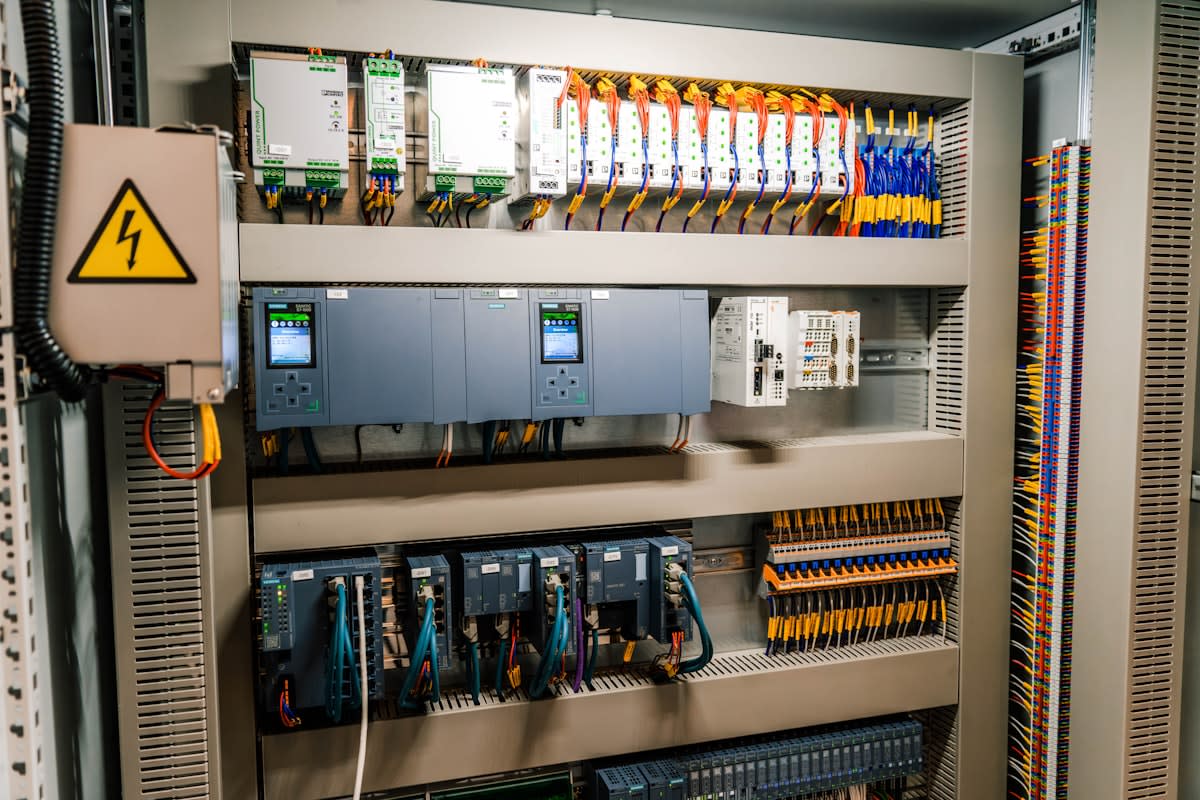
Sovereignty is the primary driver here. Alex Karp, CEO of Palantir, argues that frontier AI labs are irresponsibly overselling their models. He claims these labs absorb proprietary enterprise data without delivering measurable value in return. Secure, air-gapped deployments are the only way to prevent this value leakage. This is the logic fueling the Indonesian drive for local hardware.
"Frontier AI labs have completely, irresponsibly oversold their models while quietly absorbing the proprietary data and competitive advantage of the companies paying for them."— Alex Karp, CEO of Palantir
Data ownership is the real battlefield. Proprietary corporate intelligence is currently being fed into black-box models owned by a handful of Silicon Valley firms. Such a dynamic creates a permanent state of dependency. Real enterprise value requires a model, an application layer, and compute all held under the same sovereign umbrella.
While the strategic logic is sound, the economic foundation is crumbling.
Economic Contradictions
| Indicator | Value | Status/Context |
|---|---|---|
| Jakarta Composite | -35% YTD | Severe Market Decline |
| Annual Inflation (June) | 3.34% | Three-month high |
| Trade Deficit (May) | $1.61 Billion | First deficit in six years |
| Batam Compute Capacity | 170,000 GPUs | Planned Expansion |
| Batam Power Scale | 360 MW | Infrastructure Load |
Economics in Jakarta are currently a disaster. Inflation hit 3.34% in June, edging toward the central bank's upper limit. A trade deficit of $1.61 billion appeared in May for the first time in six years. These numbers suggest a volatile fiscal environment. Yet, the government continues to push for massive infrastructure plays. Markets are reacting poorly, with the Jakarta Composite plummeting nearly 35% year-to-date.
Risks are compounding rapidly. High-profile corruption convictions, including a former minister sentenced to 10 years, have spooked foreign capital. Investors are now wary of President Prabowo Subianto's fiscal policies. Adhinegara notes that these moves give the impression the government wants to seize natural resources through new layers of bureaucracy. This atmosphere makes the massive GPU investment look less like a strategy and more like a gamble.

The New Silicon Serfdom
Compute access has become a tool of financial leverage. Nvidia's revenue-sharing model is essentially venture capital disguised as hardware procurement. Future profits are pledged to secure the chips needed to exist today. Such a mechanism creates a new form of dependency. Indonesia may escape the data-mining of AI labs only to become a debt-servicing colony for the chipmaker.
Ownership is the only metric that matters. Local compute allows for air-gapped environments where state secrets and corporate IP stay within borders. True sovereignty cannot be rented through a cloud subscription. It must be owned, powered, and cooled on home soil.
The Capital Flight Risk
MSCI has issued a warning of a potential downgrade of Indonesia's markets to frontier market status. This would trigger massive capital outflows exactly when the country needs funding for its compute ambitions.
Failure here would be catastrophic. Economic instability could leave the Batam facility as a graveyard of expensive, idling silicon. Political turmoil might render the 360-megawatt investment a stranded asset. Technical dependency on a single vendor ensures that the keys to the kingdom remain in Santa Clara. Jakarta is playing a high-stakes game with a depleted hand.