
AI Executive Summary
"This article analyzes the strategic shift from lithium-dependence to a diversified energy storage ecosystem. It highlights the emergence of sodium-ion batteries for domestic energy security and specialized Faraday architectures to support the volatile power demands of AI-native firms."
The global energy conversation has been held hostage by the scarcity of lithium for too long. We have treated it as the only viable path to electrification, ignoring the fragility of a supply chain dependent on a handful of geographies. However, the data emerging in June 2026 suggests that the industry is moving toward a diversified material strategy where abundance outweighs rarity.
The Sodium Hegemony
Morgan Stanley has recently positioned salt as the new oil, a provocative comparison that underscores the strategic value of sodium-ion batteries. Unlike lithium, sodium is ubiquitous and inexpensive, particularly within the United States. This isn't just about cost; it is about the repatriation of production. By utilizing sodium, companies can bring manufacturing back to domestic soil, effectively neutralizing the geopolitical leverage currently held by lithium-rich regions.
Projected Sodium-Ion Battery Market Share
Executive Insight
+18.4%
YTD Growth
Market Scale
Morgan Stanley analysts predict the sodium-ion market will grow from its current pilot stage to an annual global market of 830 gigawatt hours by 2030.
This trajectory suggests a fundamental reconfiguration of energy security. When a commodity as common as salt can power a significant portion of the grid, the strategic value of rare-earth minerals diminishes. The winners in this space will be those who scale the chemistry before the market fully prices in the abundance of the raw material.
While the raw material base is diversifying, the physical architecture of the battery is undergoing an equally rigorous interrogation.
Specialized Power for AI Infrastructure
The demands of AI datacentres are not the same as those of a passenger vehicle. Training large models creates spiky, fluctuating power loads that can stress traditional lithium-ion systems. Enter Superdielectrics. Their Faraday battery technology, tested by the UK defence company QinetiQ, is designed specifically for these high-power, high-fluctuation environments.
"We now have proven results, that at the pouch cell level there is outperformance of lithium-ion in high power use cases and fluctuating power, and sub zero temperatures."— Jane Hunter, CEO of Superdielectrics
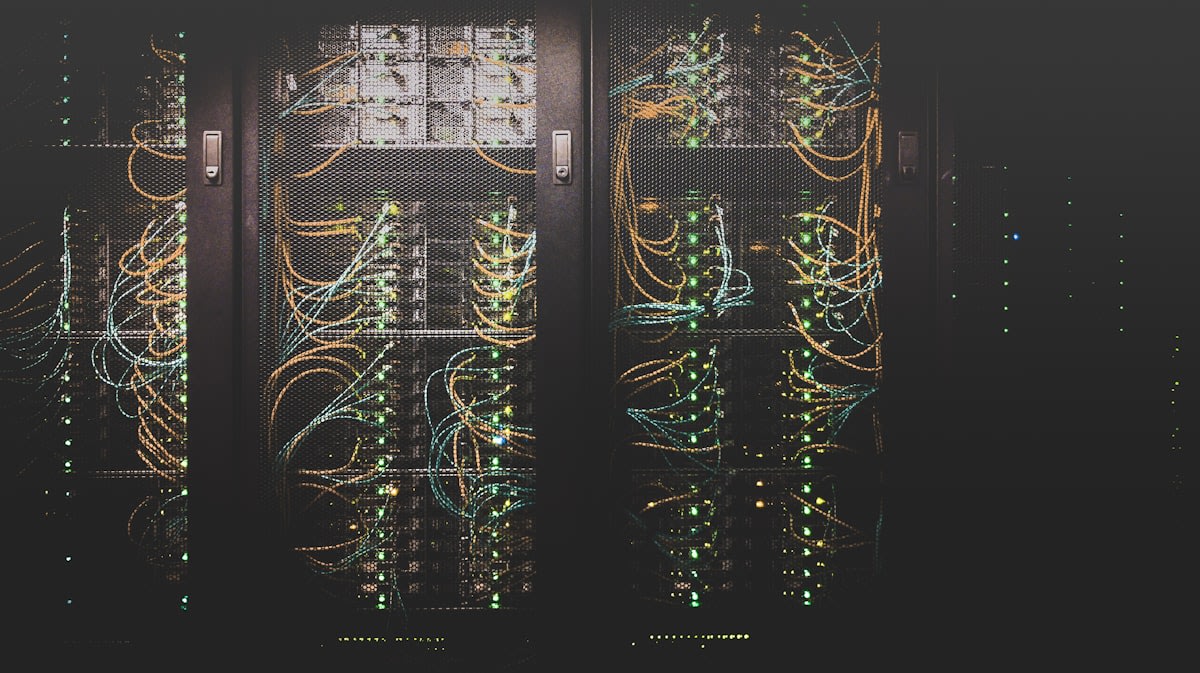
The ability to operate in sub-zero temperatures and handle the erratic loads of AI training makes the Faraday battery a critical component for infrastructure resilience. It serves as a stabilizer for wind and solar, filling the gaps that intermittent renewables leave behind.
This move toward application-specific hardware is mirrored by a deeper academic understanding of atomic interactions within the cell.
The Oxygen Variable
For years, the industry focused on the movement of ions. Researchers at the UK's Dundee and Warwick universities have now identified the critical role oxygen plays in storing and releasing energy. This discovery allows us to see why certain cathodes fail while others thrive.
| Cathode Type | Oxygen Participation | Performance Impact |
|---|---|---|
| Layered Oxides | Significant electron extraction | Potential for faster charging/longer life |
| Phosphates | Little to no participation | Standard performance profiles |
By understanding that oxygen contributes to the energy release process in layered oxides, engineers can now design batteries that charge faster and last longer. It is a move from trial-and-error chemistry to precision atomic engineering.

The convergence of sodium abundance, specialized Faraday architectures, and oxygen-active chemistry indicates that the future of energy is not a single-material victory. Instead, it is a fragmented ecosystem where the right chemistry is matched to the right load, from the streets of Tokyo to the datacentres of Bangalore.