
AI Executive Summary
"This article analyzes the strategic shift from territorial mineral ownership to technological and regulatory mastery. It highlights how biological lithium recovery and geographic diversification are redefining global supply chain resilience."
The obsession with 'critical minerals' usually centers on who owns the biggest hole in the ground. We treat the energy transition as a zero-sum game of territorial conquest. But look closer at the data from June 2026, and a different pattern emerges. The real transformation isn't a movement from one mining giant to another; it is a total fragmentation of how we source and process the building blocks of modern technology.
The Biological Wildcard
Why dig a mountain when you can use a bacterium? A recent report in Nature reveals an electrode-free bioelectrochemical intercalation process using Shewanella oneidensis MR-1. This isn't a lab curiosity; the process recovered over 95% of lithium from seawater within hours. By utilizing λ-MnO2, the system ensures that less than 1% of competing metal ions interfere with the uptake. This turns the global ocean into a scalable, accessible reservoir, potentially rendering the geopolitical fight over land-based brines obsolete.

The Strategic Edge
The leap from hard-rock extraction to bio-recovery changes the cost structure of lithium. We move from capital-intensive infrastructure (mines) to operational-intensive biological systems (bioreactors).
While bacteria rewrite the rules of chemistry, traditional mining is diversifying its map to avoid single-point failures.
Frontier Provinces and Capital Floods
Nigeria is attempting a daring economic escape from its oil dependency. In Kaduna state, officials have identified a polymetallic mineral province containing high-grade deposits of lithium, nickel, copper, gold, and platinum group metals. Minister of Solid Minerals Development Dele Alake describes this as a world-class province. It is a calculated bet to position Africa's largest oil producer as a primary supplier for the global energy transition.
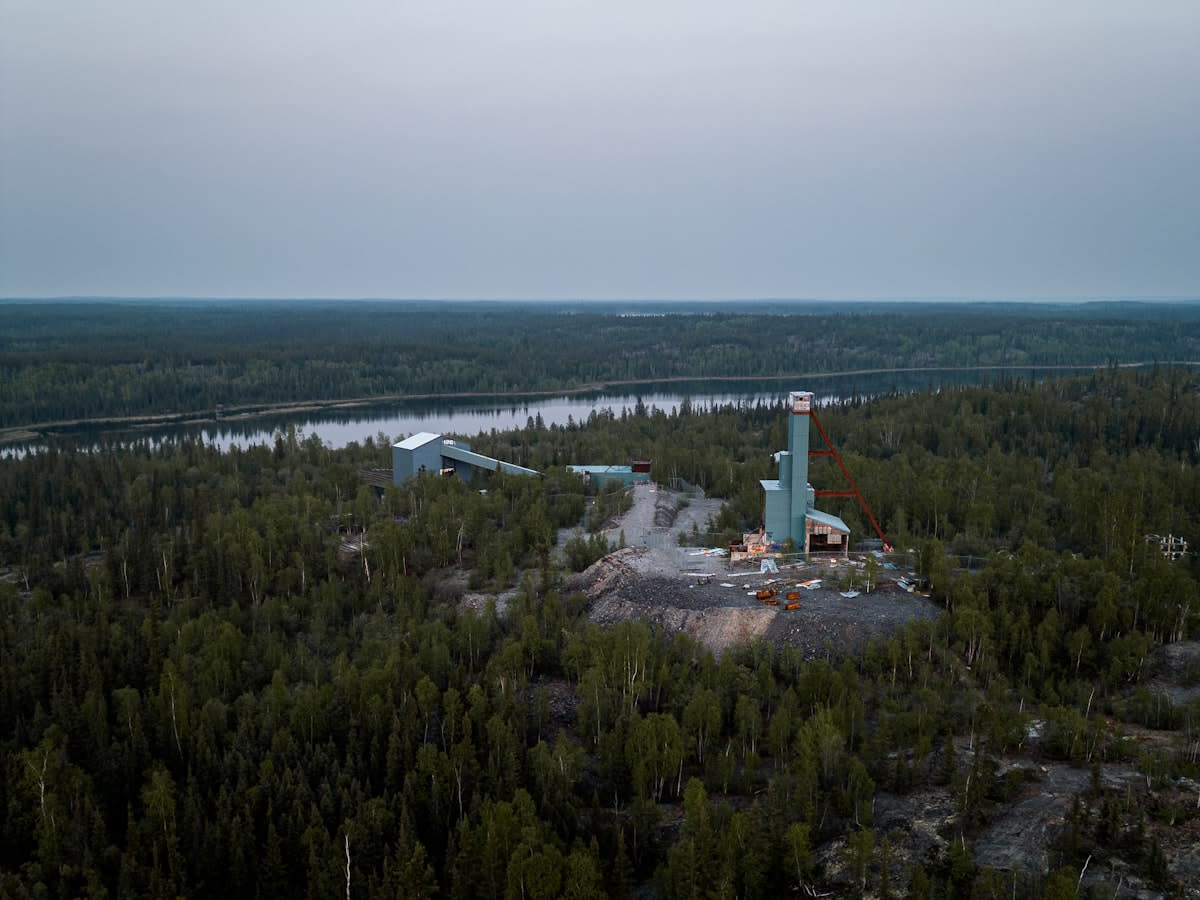
Simultaneously, the North American corridor is doubling down on transparency. Elevra Lithium recently broke ground on its expansion project in Québec, Canada, fueled by a $275 million capital raise. Their goal isn't just volume; it is the delivery of traceable and transparent lithium. In a world of murky supply chains, traceability becomes a premium product.
| Sourcing Method | Primary Location | Key Metric | Strategic Driver |
|---|---|---|---|
| Bio-intercalation | Global Seawater | >95% Recovery Rate | Decentralization |
| Frontier Mining | Kaduna, Nigeria | Polymetallic Grade | Economic Diversification |
| Hard-Rock Expansion | Québec, Canada | $275M Capital Raise | Supply Chain Traceability |
But raw materials are useless if the regulatory machinery is too slow to process them into medicine or machinery.
The Regulatory Accelerator
The US government is treating pharmaceutical manufacturing with the same urgency as mineral security. Following Executive Order 14293 signed in May 2025, the FDA launched the PreCheck Pilot Program. By selecting seven companies to participate, the FDA is attempting to create a more predictable regulatory pathway. The goal is simple: increase domestic production capacity and harden the US drug supply chain against global shocks.
"Nigeria is positioning itself among emerging destinations for strategic mineral resources and sustainable mining investment."— Dele Alake, Minister of Solid Minerals Development
From the gold assays in Peru's Pico Machay project showing grade continuity to the FDA's pilot programs, the common thread is a rejection of the status quo. We are witnessing the birth of a multi-modal resource strategy. Sovereignty no longer belongs to those who simply own the land, but to those who master the recovery process and the regulatory speed.