
AI Executive Summary
"This article analyzes the disconnect between environmental rhetoric and the aggressive pursuit of raw materials by state actors. It highlights the strategic shift toward high-yield extraction and industrial restructuring as essential components of national systemic resilience."
The Conservation Illusion
Nature is a luxury. State actors trade industrial stability for ecological metrics while mining interests double down on raw extraction. China demonstrates this tension vividly.
Analysis of 6638 protected areas from 2000 to 2020 reveals that strict policies trigger higher industrial turnover. Fifty million enterprise records show a move toward dynamic equilibrium rather than simple exclusion. Local livelihoods often pay the price in this managed churn.

This restructuring is not about harmony. It is a calculated clearance of low-value firms to make room for nature benefits that look good on a balance sheet. Economic restructuring serves as a tool for spatial control.
The Nature Trade-off
The data from Nature indicates that context-specific restructuring is the only way to align sustainability with livelihoods, yet the result is often just increased industrial volatility.
This pattern of managed disruption extends far beyond the borders of East Asia.
The Aggression of High-Yield Extraction
Senegal is the current frontier for high-yield mining. Fortuna Mining projects a 60% IRR for the Diamba Sud gold project. One year for capital payback suggests a desperate urgency to extract value before political winds change.
| Project/Region | Valuation/NPV | Key Metric |
|---|---|---|
| Diamba Sud (Senegal) | $1 Billion | 60% IRR / 1-Year Payback |
| The Metals Company (Deep Sea) | $10B to $23.6B | Polymetallic Nodules |
| China Protected Areas | 6638 Sites | 50M+ Enterprise Records |
Gold prices at 3,500 per ounce drive this aggression. Monetary debasement fuels the fire. Governments refuse to let the economy cool, ensuring a secular bull market for hard assets.
"Structural monetary debasement—not short-term inflation fears—has become the dominant driver behind gold's secular bull market."— Brad Dunkley, Co-Founder of Waratah Capital Advisors
Deep-sea mining represents the logical extreme of this hunger. The Metals Company targets polymetallic nodules with a potential NPV of up to $23.6 billion. Ocean floors are the new open pits.
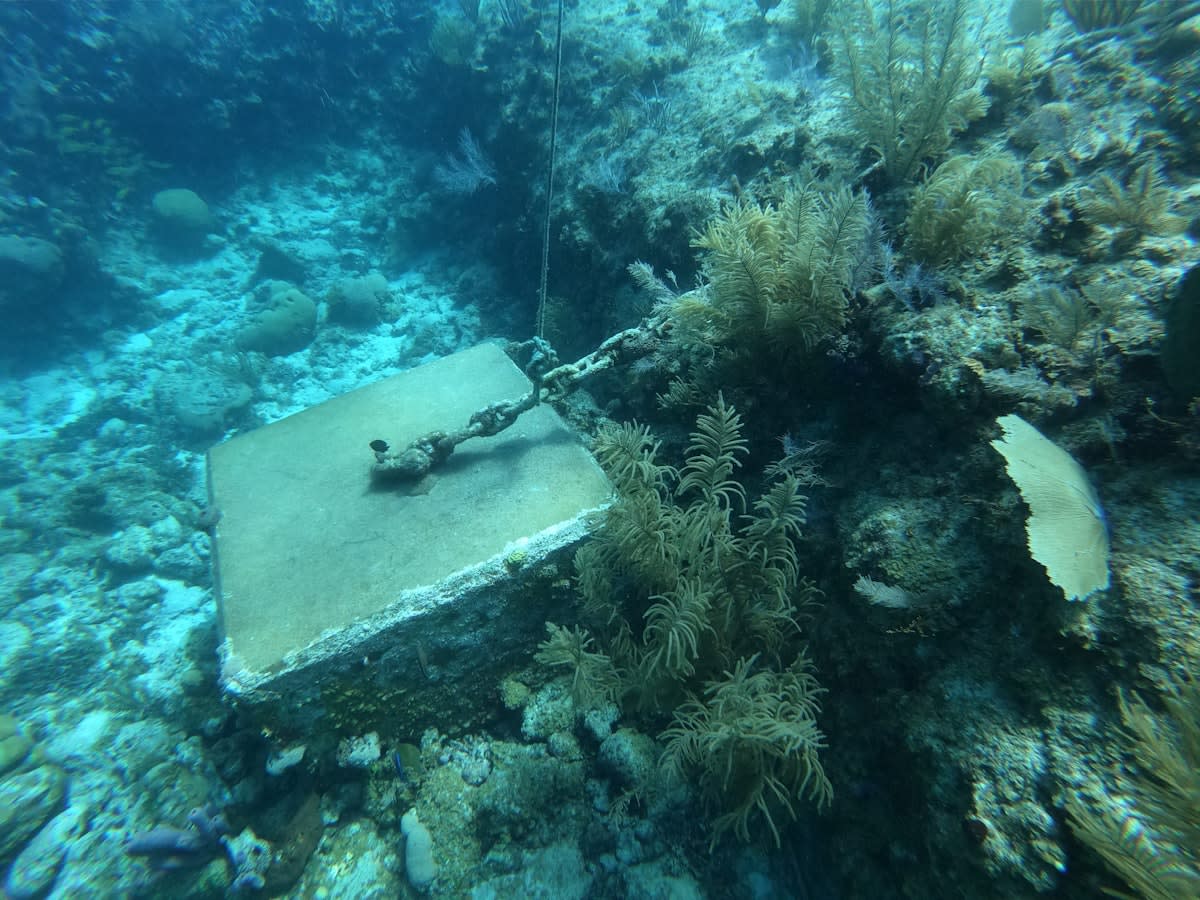
The aggressive IRR targets in Senegal's Diamba Sud project clash with the bureaucratic knowledge-integration efforts in the Wales Innovation Network. One is about extraction; the other is about coordination.
Labor as a State Defense Asset
America faces a vocational void. The Department of War launched Build Freedom to shore up the industrial base. Ten million dollars went to the mikeroweWORKS Foundation to salvage skilled trades for defense.
Wales tries a different path. Their net zero expertise platform aims to connect university knowledge with decarbonisation clusters. Success depends on connectivity, not just existing data.
- US Defense: $16 million total scholarships for skilled trades via Build Freedom.
- Wales Strategy: Focus on hydrogen, nuclear, and advanced manufacturing clusters.
- China Strategy: Dynamic equilibrium through industrial turnover in protected zones.
Industrial strategy is now a weapon of state survival. Whether it is training welders for the Department of War or mapping nodules in the Pacific, the objective is the same: securing the physical layer of power.