
AI Executive Summary
"This article analyzes the strategic transition from scarce lithium to abundant sodium-ion technology for grid-scale power. It emphasizes the geopolitical importance of energy sovereignty and the industrial validation of sodium-ion systems as a viable alternative for long-duration storage."
The energy sector has a fixation on rarity. For years, the narrative centered on the desperate scramble for lithium, treating it as the only viable ticket to a decarbonized future. But scarcity is a strategic weakness. Why gamble national security on a handful of volatile supply chains when the solution is literally under our feet? Sodium-ion batteries are moving the goalposts by trading rarity for abundance.
The End of the Lithium Monopoly
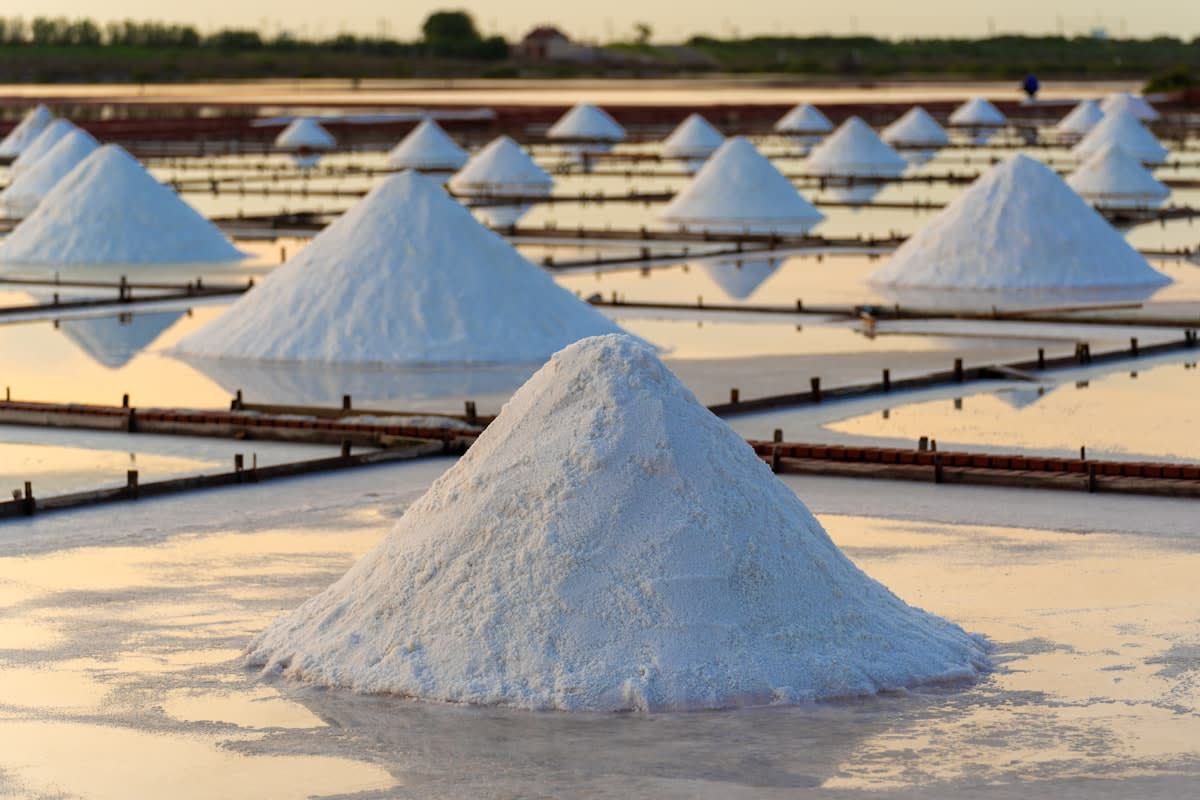
Morgan Stanley has put a bold label on this evolution: salt is the new oil. This is not hyperbole; it is a calculation of availability. Unlike lithium, sodium is inexpensive and widely distributed, particularly within the United States. This availability allows companies to pull production back to domestic soil, stripping away the geopolitical leverage previously held by a few dominant mining regions.
"Salt can become a hot commodity amid a boom in demand for sodium-ion batteries."— Jack Lu, Morgan Stanley Analyst
Does this mean lithium vanishes? Hardly. But the dependency ends. We are entering an era of dual foundations where sodium and lithium coexist, each serving a specific purpose. Lithium handles the high-density needs of mobile devices, while sodium takes over the heavy lifting of grid-scale storage.
| Metric | 2030 Projection | 2035 Projection |
|---|---|---|
| Market Share of Total Deployment | 20% | 37% |
| Annual Global Market (GWh) | 830 GWh | Not Specified |
Financial projections are one thing, but the physical infrastructure is already landing on the ground. The transition from laboratory curiosity to industrial utility is happening faster than the skeptics anticipated.
Commercial Reality in Munich
CATL recently unveiled the TENER Sodium Energy Storage System in Munich, Germany, marking the world's first field-validated sodium-ion solution. This is not a prototype; it is a modular architecture capable of delivering more than 30 MWh of rated capacity. With global deliveries slated for June 2027, the window for calling this a niche technology has closed.
The 10-Hour Threshold
The US Department of Energy defines long-duration energy storage at the grid-scale level as at least 10 hours, ideally much longer. Sodium-ion is uniquely positioned to hit these targets.
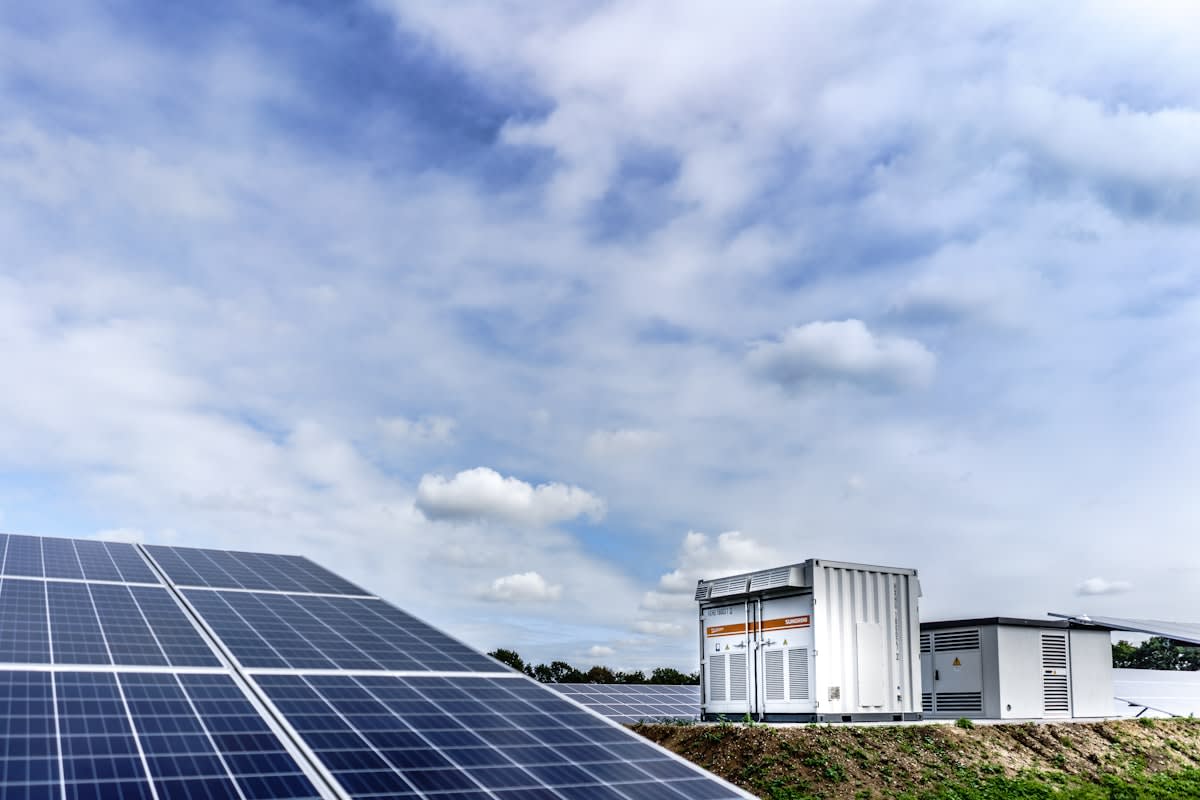
In the US, the American Battery Leadership Coalition is already lobbying to ensure this technology becomes the great equalizer. By decoupling energy storage from the vagaries of weather and the volatility of lithium pricing, the grid becomes resilient by design rather than by luck.
- Abundant resources available across all continents
- Enhanced safety profiles compared to traditional chemistries
- Longer cycle life for industrial applications
- Lower cost of raw materials enabling mass deployment
The real-world utility here is simple: we can now support the energy needs of eight billion people without triggering a new era of resource wars. The move to sodium is less about a technical breakthrough and more about a strategic realization that abundance beats scarcity every time.