
AI Executive Summary
"This article analyzes the systemic migration of $29 trillion from US Treasuries to energy assets, driven by growing instability in US debt. It highlights the critical intersection of geopolitical economic resilience and the physical power requirements of the AI economy."
Money is moving. Sovereign wealth funds and central banks managing $29 trillion are abandoning treasury bonds for energy assets. This flight reflects a deep-seated distrust in the US dollar's longevity.
Dollar Debt Is An Existential Liability
Debt levels in the US have become an existential threat. Sixty-one percent of polled central banks now view US debt as a liability to the dollar's reserve status. This sentiment represents a violent leap from the 20% reported in 2024, according to an Invesco survey.
| Metric | Historical Baseline | 2026 Current State |
|---|---|---|
| Dollar Reserve Weakness Forecast | 12% (2022) | 29% |
| Central Bank Debt Concern | 20% (2024) | 61% |
| SWF Infrastructure Allocation | Below 9% | 9% |
| Energy Asset Credibility Rating | Moderate | 80% |
Reserve currency status is not a permanent gift. Twenty-nine percent of surveyed investors expect the dollar's position to weaken within five years. Such a trajectory suggests a calculated exit strategy by the world's largest capital holders.
The Physical Bottleneck of Digital Ambition
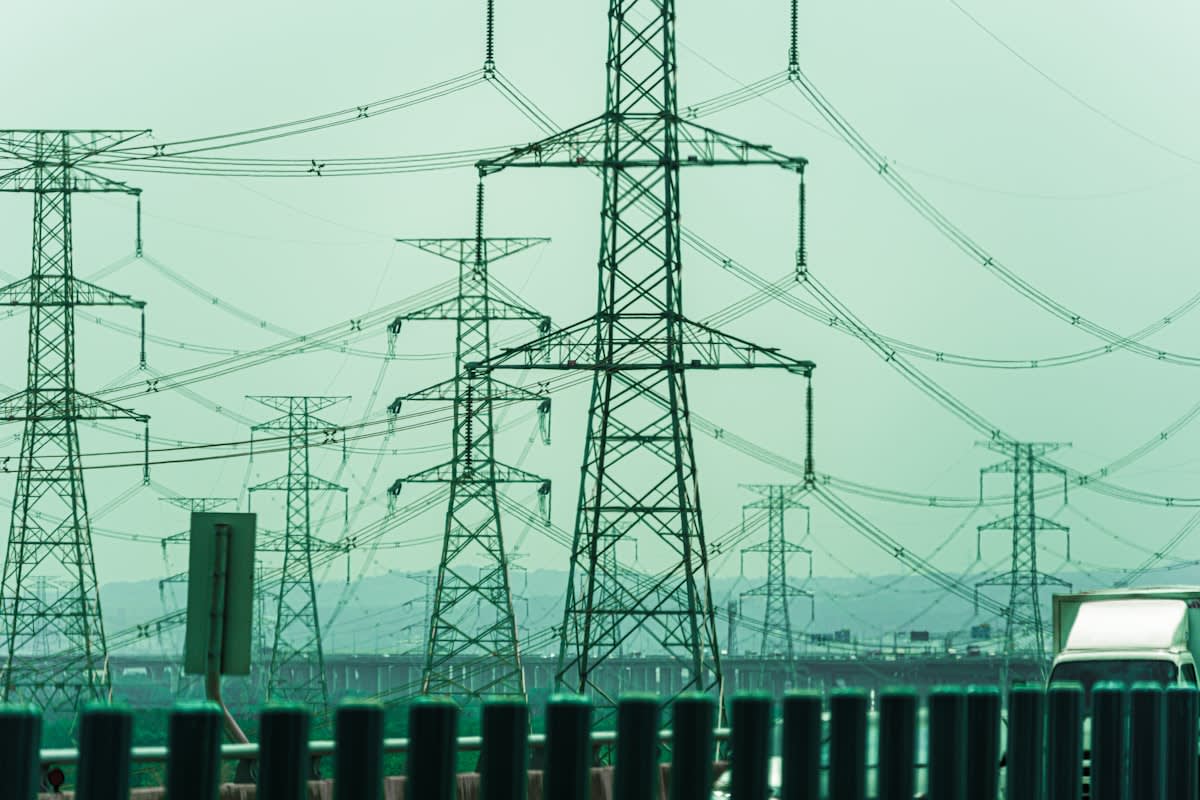
Silicon Valley builds dreams on a 20th-century grid. Artificial intelligence demands concentrated power that current US regulatory frameworks cannot deliver. Such a mismatch creates a bottleneck where digital ambition hits the wall of physical reality, as noted by Oil & Gas 360.
The Grid Mismatch
The US attempts to power a 21st-century digital economy with an electric system designed for predictable growth, not the sudden, concentrated spikes required by AI data centers.
Energy security is the only credible hedge. Eighty percent of sovereign investors now prioritize energy transition infrastructure to make portfolios resilient. This is not about environmentalism; it is about owning the means of production.
Competitive Power Maps Differently
Portugal and Spain are winning the industrial race. Competitive electricity prices make them superior to traditional European hubs. Manufacturing in Europe or the US costs 50 percent more than in emerging global investment centers, according to the McKinsey Global Institute.
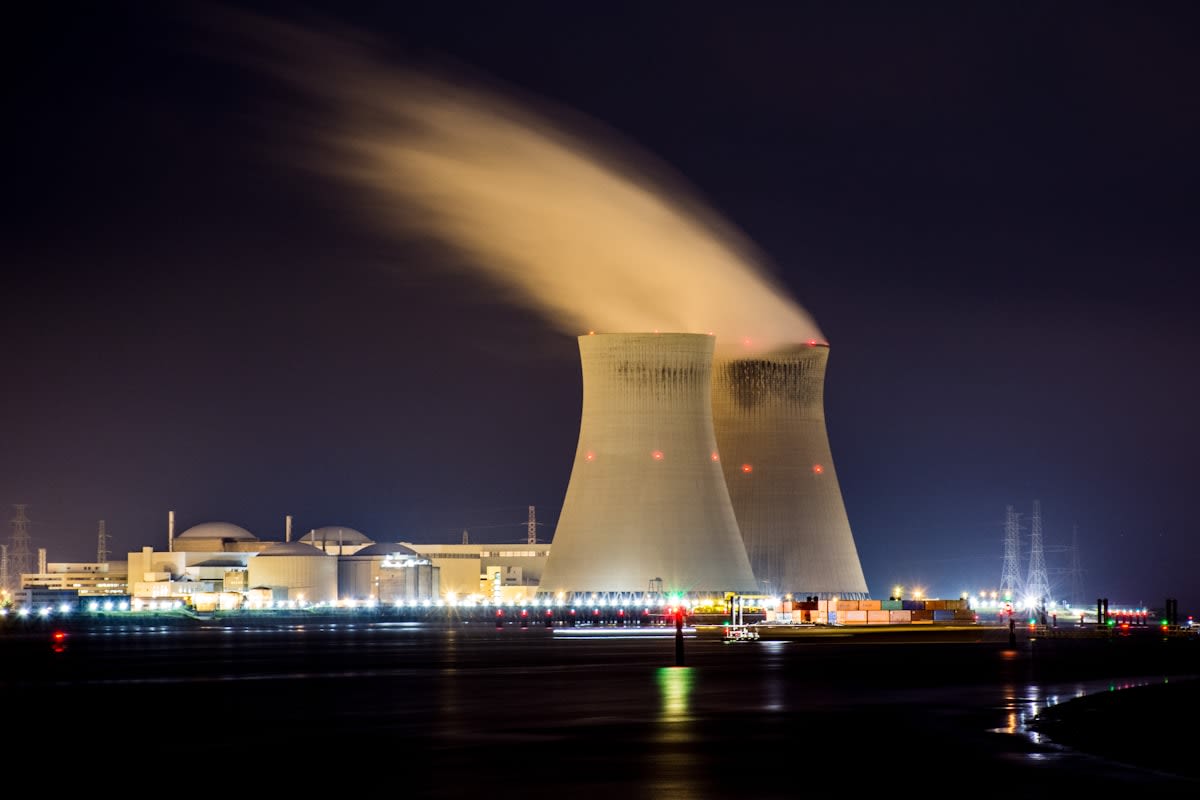
Trash is the new fuel. Spokane, Washington, burns garbage to generate electricity. The US produces 292 million tons of waste annually, turning a liability into a power source through incineration.
India's mega cities are rewriting economic demographics. Female labor force participation hit 27.2% in 2025, up from 19.8% in 2017-18. Biotech firms like Proteimax are simultaneously bypassing brain signaling to target fat cells directly with PEP19, signaling a move toward high-precision biological interventions.
"Productive investment has become one of the defining measures of economic competitiveness, with companies choosing locations based on operating costs and speed of delivery over historical advantages."— McKinsey Global Institute