AI Executive Summary
"This article analyzes the tension between legacy industrial infrastructure and disruptive synthetic biology in the pursuit of resource independence. It highlights the strategic risk of subsidizing outdated sectors versus the long-term potential of biological production."
Subsidies are flowing. Port Kembla receives $45 million for silicon anodes. This capital injection targets a 300-fold increase in production capacity for Sicona Battery Technologies.
The High Cost of Sovereign Pretension
Washington is digging through old ash. The Department of Energy just dumped $75 million into five projects extracting rare earths from coal feedstocks. Such moves reflect a desperate attempt to salvage germanium, gallium, and aluminum from industrial leftovers.
| Region | Investment | Primary Target | Strategic Goal |
|---|---|---|---|
| Australia | $45 Million | Silicon-based Anodes | 300x Production Scale-up |
| USA (DOE) | $75 Million | Coal-based REEs | Pilot-scale Recovery |
| USA (Total) | ~$700 Million | Coal Infrastructure | Sector Strengthening |
These disparate bets on inorganic matter ignore the biological alternative.
Biological Bypass and the SpudCell Gamble
Biology is the ultimate cheat code. Designing cells for fuels and medicines allows researchers to kill the need for toxic chemical processing. However, the distance between a 36-gene potato-shaped cell and industrial scale is vast.
"Right now, when we do engineering, biology or any really any biological research, we’re working with sort of a black box, because that’s what a natural cell is."— Kate Adamala, University of Minnesota
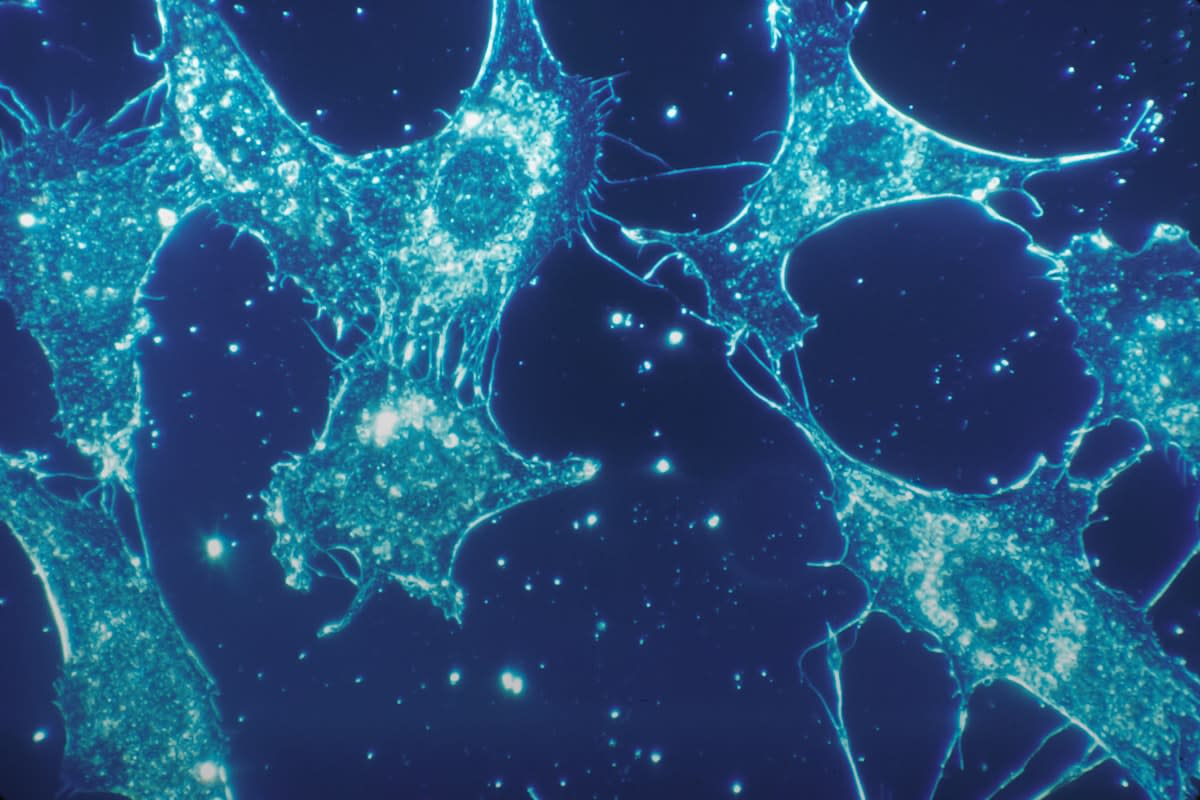
Synthetic biology attempts to rewrite the rules of production. Kate Adamala and the Biotic nonprofit are building cells from non-living chemicals. Their SpudCell mimics the complete behaviors of a cell, yet it remains a laboratory curiosity rather than a factory solution.
This academic pursuit contrasts sharply with the grit of heavy industry.
Incentive Structures and Industrial Waste
Coal is the American anchor. Nearly $700 million in total funding supports coal infrastructure under the Trump Administration. This isn't about minerals; it's about keeping legacy sectors on life support.
Sicona Production Capacity Target
Executive Insight
+18.4%
YTD Growth
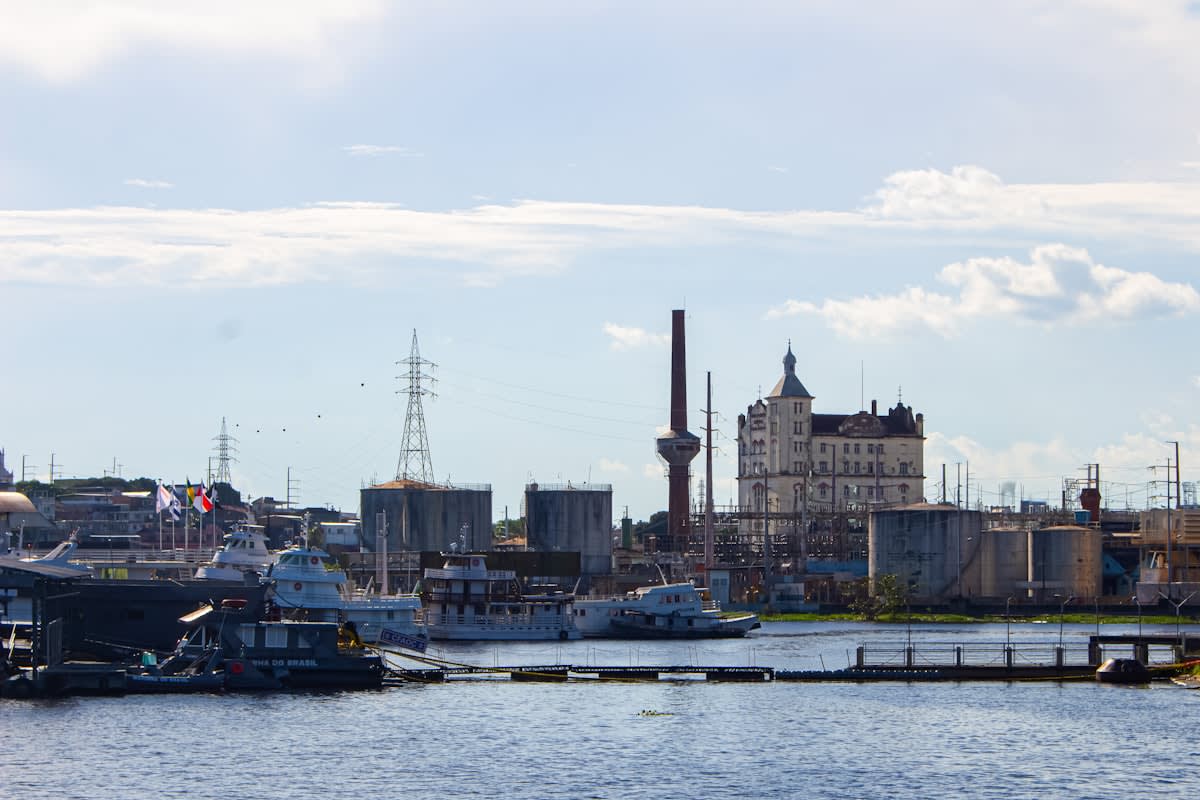
Australia plays a different game. Port Kembla is the designated hub for midstream processing. Capturing value from mineral resources requires more than just cash—it requires an ecosystem that doesn't currently exist.
The SpudCell Profile
The SpudCell is an entity based on just 36 genes, assembled entirely from non-living chemical components to study how life emerges from dead materials.