AI Executive Summary
"This article analyzes the strategic pivot of sovereign wealth funds away from US Treasuries and public equities toward energy infrastructure and private markets. It highlights the systemic distrust in the US dollar and the rise of a multipolar financial system anchored in tangible assets."
The Illusion of Diversification
For decades, the playbook was simple: buy the index, hold the bond, and trust the dollar. That logic is crumbling. When the top 10 companies in the S&P 500 account for 38% of the index's weighting, passive equity strategies stop being a diversification tool and start becoming a concentrated bet on a handful of tech giants. Sovereign wealth funds are finally waking up to this reality.
The historical dance between equities and bonds—where one rose as the other fell—broke during the inflation shocks of 2021 and 2022. Now, these massive funds are questioning traditional portfolio construction entirely. They are moving away from the public eye and into private equity, private credit, and infrastructure to find actual value.
The Physicality of AI
The AI cycle isn't just about software. It is driving a massive demand for the physical buildout of data centers and the energy infrastructure required to keep them humming, pushing funds toward private assets.
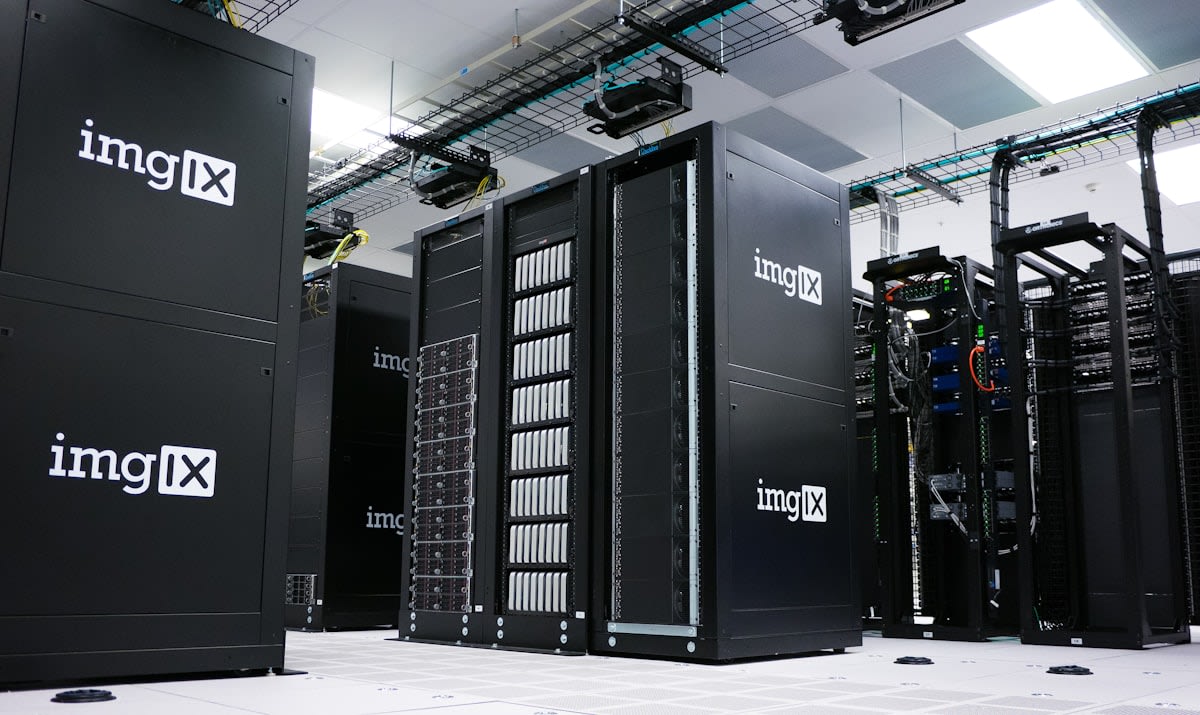
This migration toward the private sphere is not a whim; it is a strategic reorganization. Between 28 and 35 percent of these funds intend to increase their allocations to private markets to escape the volatility of concentrated public indexes.
The Dollar's Slow Fade
Is the dollar's hegemony ending? Perhaps not tomorrow, but the cracks are widening. According to an Invesco survey, 61% of central banks now believe US debt levels are damaging the dollar's long-term role as a reserve asset. Compare that to just 20% in 2024. That is not a trend; it is a consensus forming in real-time.
| Metric | 2022/2024 Baseline | 2026 Status |
|---|---|---|
| Central Banks flagging US debt as a risk | 20% (2024) | 61% |
| Expectation of weaker USD reserve status (5yr) | 12% (2022) | 29% |
| Infrastructure allocation in SWF portfolios | ~4.5% (Avg 2022-25) | 9% |
Why the hesitation to leave entirely? Because there is no credible alternative. The exodus is incremental, a cautious step away from a burning building where the exits are narrow. Yet, the psychological break has occurred.
Hard Assets Over Paper Gains
If the dollar is a risk and public stocks are a bubble, where does $29 trillion go? It goes into the ground. Specifically, energy assets. Some 80% of polled investors now view energy security and transition infrastructure as the most credible ways to build portfolio resilience.
Sovereign Wealth Fund Geographic Concentration
Executive Insight
+18.4%
YTD Growth
Infrastructure allocations have nearly doubled to an average of 9% in 2026. We are seeing a global realignment where wealth is being anchored in tangible utility—power grids, energy plants, and logistics—rather than the fluctuating sentiment of the New York Stock Exchange.
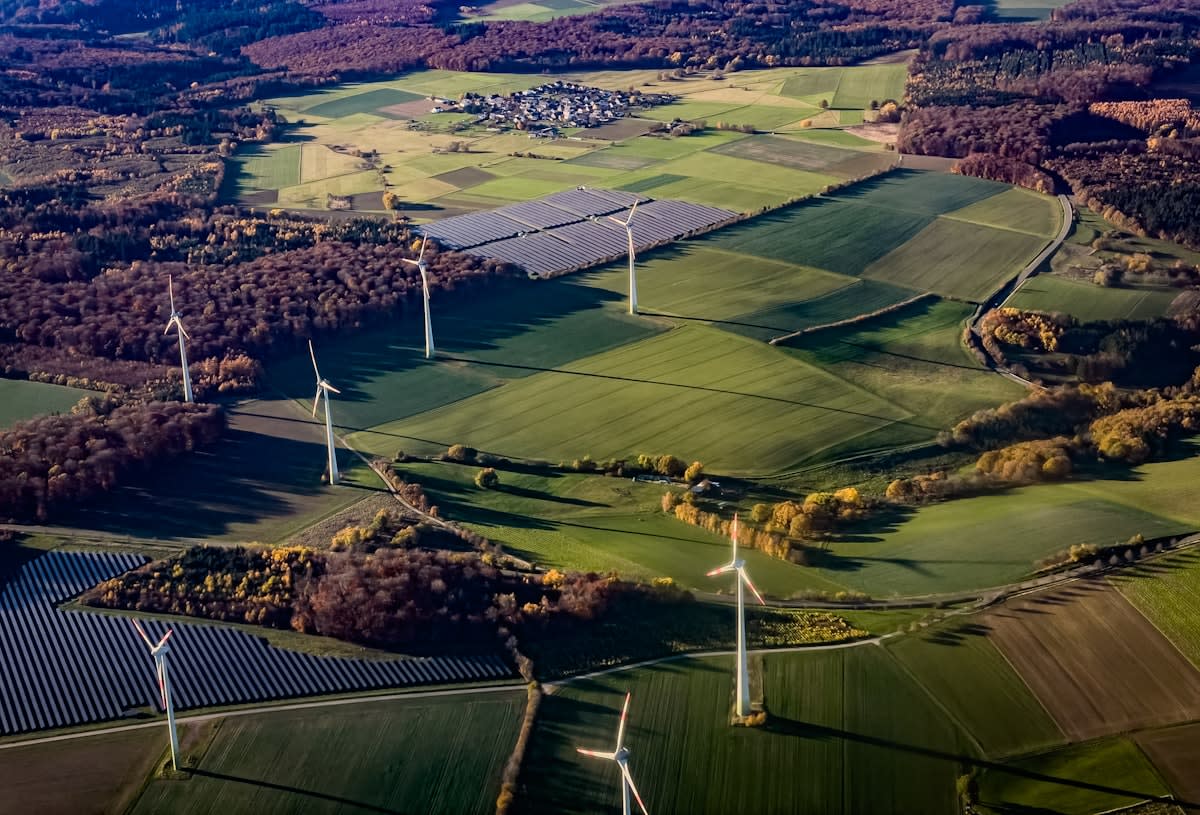
This is most evident in the Middle East and Asia, which together control 80% of the world's sovereign wealth. From Saudi Arabia's Public Investment Fund to China's SAFE Investment Company, the strategy is clear: own the means of production and the energy that fuels it.
The $30 Trillion Horizon
Bain & Company estimates that sovereign wealth assets will nearly double to $30 trillion by 2035. The question is no longer how much money these funds have, but how they will use that leverage to reshape global markets. With Norway's $1.7 trillion fund and China's combined holdings, the center of financial gravity is migrating.
"The way sovereign wealth funds pursue their ambitions and their operating archetypes are expected to change significantly over the coming decade."— Bain & Company
This isn't a crisis; it is an adaptation. The world is moving toward a multipolar financial system where resilience is measured by megawatts and private ownership rather than Treasury yields. For the strategic investor, the opportunity lies in this reorganization.