
AI Executive Summary
"This article analyzes the critical intersection of high-precision aseptic hardware and geopolitical stability in the biologics supply chain. It highlights the strategic shift toward indigenous reagent production in India to mitigate risks associated with global transit corridors."
Prerequisites for Sterile Scaling
Steel and glass define the sterile suite. This environment leaves no room for error. A single particulate ruins a batch.
Hyderabad has emerged as a critical node for these operations. Shantha Biologics recently secured an outsourcing agreement with Novo Nordisk on June 30, 2026. Local capacity meets global demand through specialized cartridge filling that adheres to international quality benchmarks.
- Purpose-built sterile fill-finish capacity
- Aseptic manufacturing hardware
- Specialized cartridge filling lines
- Validated cold-chain logistics
- Alignment with SBTi Net Zero Standard V2.0 for carbon tracking
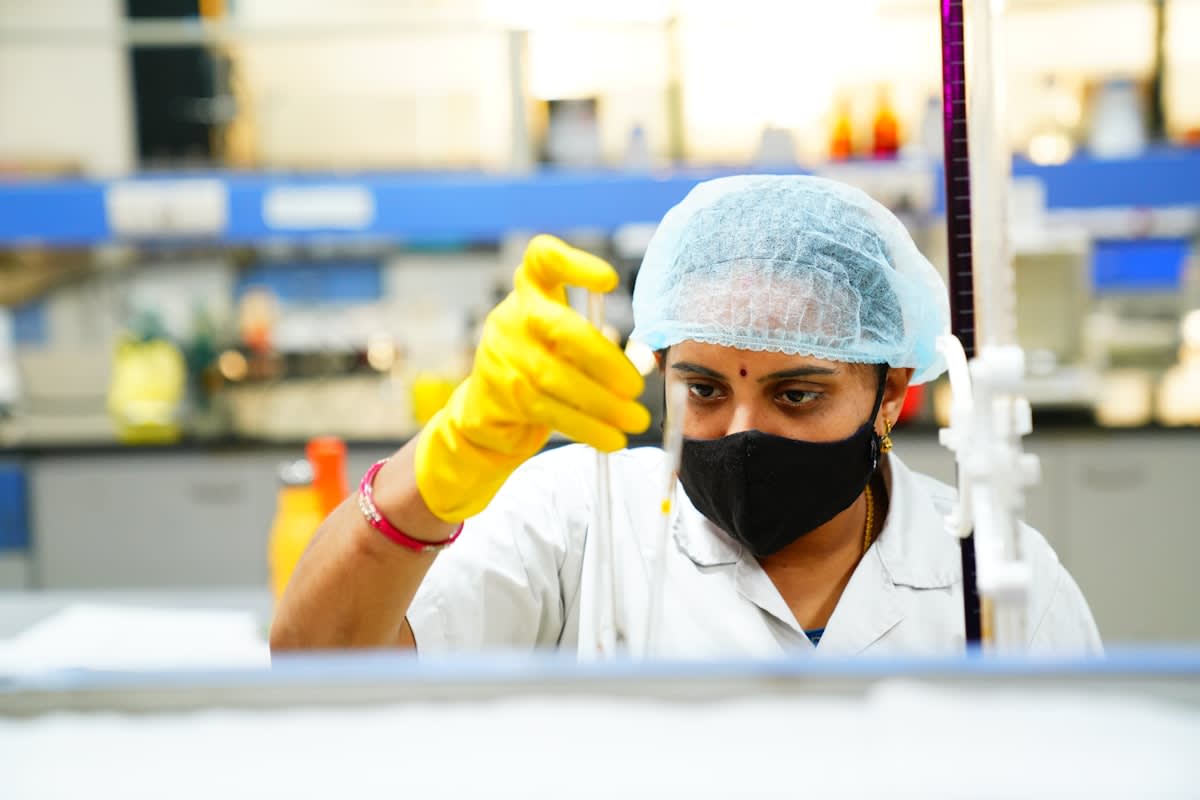
Physical infrastructure is the only true barrier to entry. Paper certifications mean nothing when a pump fails. Operational friction occurs at the intersection of hardware and human error.
Implementing the Production Line
- Audit purpose-built sterile capacity to ensure it meets international quality standards.
- Validate aseptic manufacturing protocols using field-tested reality rather than theoretical models.
- Integrate cartridge filling machinery specifically for biologics and vaccines.
- Secure indigenous sources for enzymes and reagents to avoid import bottlenecks.
- Establish a logistics corridor that accounts for geopolitical volatility.
"We look forward to supporting this partnership through strong operational execution and a continued focus on quality and regulatory rigor."— Dr. Vishy Chebrol, Director, Shantha Biologics
Logistics are where the physics of the problem become apparent. Cargo ships face threats in the Strait of Hormuz. Iran warned of forceful responses on July 2, 2026. Such geopolitical instability creates operational friction for any global supply chain moving high-value biologics.

The Reagent Trap
India's dependence on imported enzymes was exposed during the COVID-19 pandemic. Indigenous manufacturing is now a priority for the fastest-growing segments of the life sciences industry, specifically in molecular biology reagents and kits.
Material sourcing defines the timeline. Localized production in India reduces the risk of port failures. Compare this to the fragility of relying on a single maritime route through contested waters.
Operational Friction and Failures
| Risk Factor | Hyderabad Manufacturing Hub | Global Transit Corridor |
|---|---|---|
| Primary Concern | Sterile Integrity | Transit Security |
| Trigger Event | Particulate Contamination | Forceful Response (Strait of Hormuz) |
| Mitigation | Purpose-built Capacity | Route Diversification |
Mistakes cost millions. A single breach in sterility voids the entire lot. Field-tested reality proves that hardware alone cannot solve the problem.
Dependence on foreign reagents remains a critical failure point. India's push for self-reliance in molecular biology is a reaction to this vulnerability. Companies that ignore the source of their enzymes risk total shutdown during the next global crisis.