
AI Executive Summary
"This article analyzes the strategic shift of global sovereign wealth toward physical energy assets as a hedge against US debt instability. It highlights the transition from a dollar-centric financial order to a fragmented, resilient mesh network of regional hubs."
The Great De-Papering
Stop waiting for a single 'eureka' moment where the US dollar collapses. It is a boring, incremental erosion. The real story isn't a sudden coup by the Renminbi, but a quiet migration toward things you can actually touch. When sovereign wealth funds and central banks managing $29 trillion start eyeing energy assets over treasury bonds, they aren't just diversifying; they are admitting that the era of trusting a single ledger is over.
This isn't about ideology. It's about survival. In 2026, we see a world where the financial architecture is becoming intentionally incoherent. Beijing isn't trying to 'dethrone' the dollar in a dramatic fashion; they are simply building a parallel plumbing system. From the Lujiazui Forum's push for offshore RMB finance to the deepening of Shanghai's role as a financial hub, the goal is redundancy, not replacement.
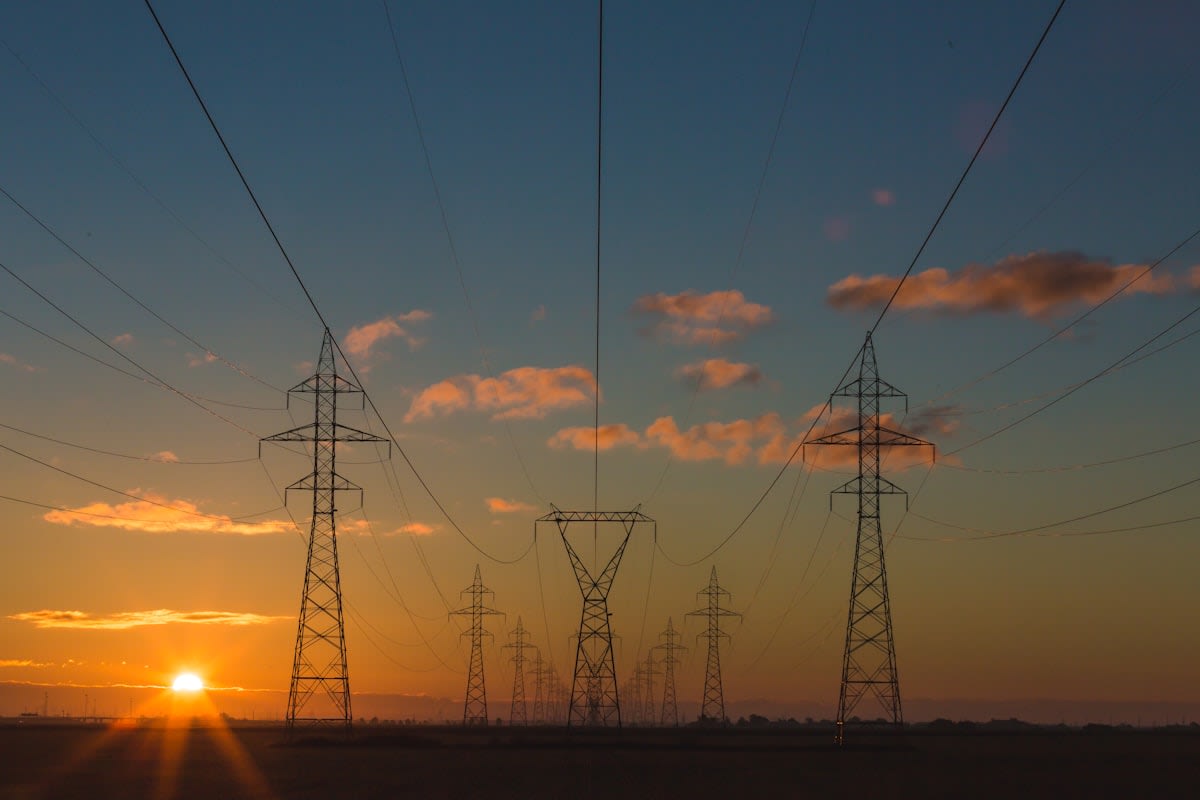
"The world's focus should not be on whether China will achieve its goal of having the renminbi replace the dollar. The world should focus more on the fact that Beijing continues, bit by bit and step by step, to methodically build the financial infrastructure necessary to reduce its dependence on a dollar-centric global system."— CNBC Analysis
Why the sudden urgency? Look at the numbers. The trust gap is widening faster than the US trade deficit. Central banks are staring at US debt levels and seeing a liability that no longer feels like a safe haven. This isn't a conspiracy; it's a balance sheet reality.
| Metric | 2022/2024 Baseline | 2026 Current State | Trend |
|---|---|---|---|
| Central Banks flagging US debt as a risk | 20% (2024) | 61% | Aggressive Increase |
| Belief that Dollar reserve status will weaken | 12% (2022) | 29% | Steady Drift |
| SWF Infrastructure Asset Allocation | N/A | 9% | New Priority |
| Preference for Energy/Transition Assets | N/A | 80% | Dominant Consensus |
The movement toward energy security is the most honest trade of the decade. Whether it is a fund in Lagos securing power for industrialization or a Tokyo-based investor hedging against volatility, the priority has drifted from 'yield' to 'utility.' If you can't power your cities, your currency reserves are just numbers on a screen.
- Energy security as a primary resilience tool for 80% of polled sovereign investors.
- A systemic move toward transition infrastructure to decouple from geopolitical volatility.
- The rise of 'incoherent' financial orders where multiple, overlapping systems coexist.
- A strategic preference for real-world assets over traditional reserve-currency debt.
Then there is the American paradox. While the world frets over the dollar, the US goods trade deficit continues to widen. Companies are stockpiling goods to beat coming tariffs, and the domestic rollout of data centers is sucking in imports at a rate that defies traditional trade logic. The US is essentially importing the hardware of the future while exporting the stability of its currency.
The Incoherence Advantage
The 'Post-American' order isn't a vacuum. It is a messy, overlapping series of regional hubs. We are moving from a hub-and-spoke model (centered on DC) to a mesh network where Shanghai, London, and Bangalore maintain their own liquidity facilities.
Dollar Reserve Status Pessimism (2022-2026)
Executive Insight
+18.4%
YTD Growth
We should stop treating this as a crisis and start seeing it as a necessary adaptation. The world is simply diversifying its bet. By investing in energy transition and building redundant financial rails, sovereign investors are creating a shock absorber for the global economy. It is optimistic realism: the system isn't breaking; it is evolving into something more resilient, even if it is less tidy.