
AI Executive Summary
"This article analyzes the critical shift from lean efficiency to strategic resilience in global supply chains. It demonstrates how geopolitical leverage and systemic shocks are redefining competitive advantage across the aviation, energy, and agricultural sectors."
The Illusion of the Lean Machine
For decades, the global corporate mantra was optimization. Trim the fat. Minimize inventory. Squeeze every cent of margin. But the bill for this obsession with efficiency has finally come due. We are witnessing a systemic shift where the ability to withstand a shock is becoming more valuable than the ability to maximize a quarterly report.
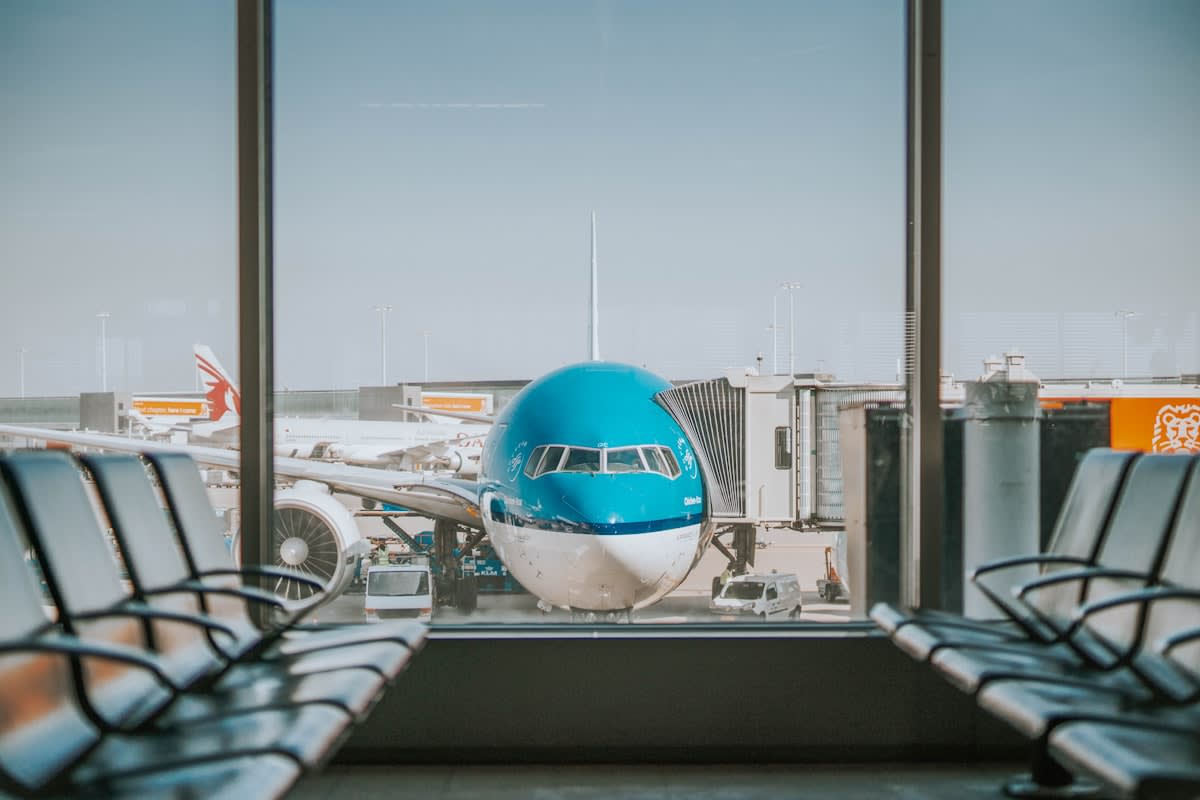
Look at Sepang. Malaysia Aviation Group (MAG) provides a brutal case study in the cost of fragility. In the fourth quarter of 2024, supply chain disruptions forced the airline to cancel over 10,000 flights, leaving more than one million passengers stranded. When your industry average profit margin hovers around a razor-thin 1.4 percent, a single systemic glitch doesn't just hurt—it threatens the entire enterprise.
"Investment in its workforce, business diversification and stakeholder collaboration [are] key to strengthening its resilience against recurring crises in the aviation industry."— Capt Nasaruddin A Bakar, President and Group CEO of MAG
This isn't just an aviation problem. It is a blueprint for the new global economy: those who built their houses on the sand of efficiency are now scrambling to build foundations of resilience.
Weaponizing the Choke Points
While Malaysia fights supply chain ghosts, the energy and agriculture sectors are grappling with the weaponization of logistics. On June 28, 2026, Russia acknowledged domestic fuel shortages, prompting President Vladimir Putin to consider a nationwide ban on diesel exports. This isn't a mere policy tweak; it is a potential earthquake for global grain markets. When the world's fuel supply becomes a domestic tool, farming costs spike and agricultural logistics shatter.
Contrast this with the diplomatic dance occurring between the U.S. and Iran. As of June 26, 2026, a dispute over frozen Iranian funds persists. The strategic opportunity here is stark: if the U.S. can convince Iran to use these unfrozen funds to purchase American agricultural goods, it would be a gamechanger for U.S. farm balance sheets. The lesson? Trade is no longer about the lowest price; it is about the most secure relationship.
| Systemic Trigger | Immediate Impact | Strategic Opportunity | Risk Factor |
|---|---|---|---|
| Russian Diesel Export Ban | Increased farming costs | Local fuel autonomy | Global grain market volatility |
| Iran Fund Unfreezing | U.S. Ag export surge | Diversified buyer base | Geopolitical instability |
| Aviation Supply Crisis | 10,000+ cancelled flights | Workforce diversification | 1.4% average profit margins |
These frictions are not bugs in the system; they are the new features of a fragmented world. The winners will be those who stop asking 'How do I make this cheaper?' and start asking 'How do I make this unkillable?'
The ROI of Resilience
The instinct for many executives is to throw software at the problem. But as Tony Wayda of JBF Consulting points out, billions invested in AI platforms and warehouse management software often fail to deliver ROI. Why? Because organizations rush into implementation before defining the business strategy the technology is meant to support. Tech is a tool, not a strategy.
The real strategic play is happening in high-stakes hubs like Dalian, China. At the World Economic Forum's Annual Meeting of the New Champions on June 28, 2026, Hikma Pharmaceuticals positioned itself at the center of the conversation on healthcare security and supply chain resilience. By focusing on transnational business alliances and emerging-market growth, Hikma is treating resilience as a scalable product rather than a defensive cost.
The Strategic Pivot
The 'Volatility Normal': Logisticians must move from reactive transportation to continuous adaptation. If your tech stack is designed for a stable world, it is already obsolete.
Even the travel sector is restructuring for this new reality. Global Touring recently shifted its leadership, moving GM APAC Anna Fawcett to the United States to lead growth for Back-Roads. This isn't just a personnel change; it is a doubling-down on trade support across North America, Australia, and New Zealand to ensure brand focus in a volatile youth touring market.
The shift is complete. We have moved from an era of global integration to an era of strategic insulation. The opportunity now lies in the gaps—the places where others are too lean to survive and too rigid to adapt.