
AI Executive Summary
"This article analyzes the shift from physical asset control to the control of financial infrastructure in global geopolitics. It highlights how nations are building redundant systems and leveraging compliance to mitigate geopolitical risk and ensure economic sovereignty."
The global obsession with who will lead the next century often focuses on the wrong metrics. Analysts track GDP growth or military spending, yet they ignore the plumbing. The true architecture of power is not found in the product—the gas, the currency, or the hotel room—but in the rails that allow those things to move. When the rails break, the product becomes irrelevant.
The Payment Rail Paradox
Consider the Turkey-Iran gas deal expiring in July. On the surface, the story is about energy diversification. Turkey has invested in LNG and domestic production, making Iranian gas optional for the nation. But the physical supply of gas is no longer the primary hurdle. The real conflict has moved from the gas field to the bank wire.
The Bottleneck
The 2025 JCPOA snapback and the 2026 Halkbank agreement have effectively closed the energy gray zones. When US OFAC licenses exclude natural gas from relief, the payment rail becomes a wall, regardless of how much gas is in the pipe.
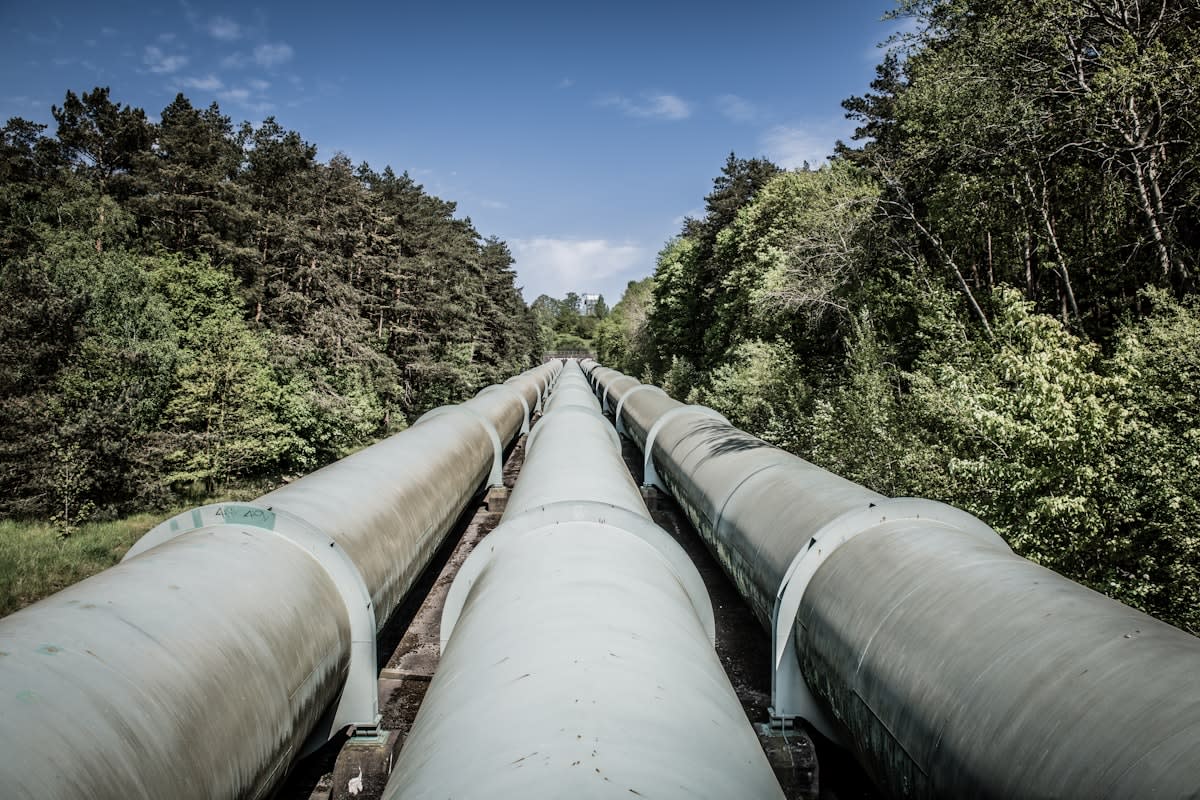
This is not an isolated incident of sanctions; it is a blueprint for how financial infrastructure is weaponized. If you control the clearing house, you control the commodity. This realization is driving a quiet, methodical reconfiguration of global financial systems that goes far beyond simple currency swaps.
Infrastructure Over Ideology
Beijing understands this plumbing better than most. The prevailing narrative suggests China is trying to dethrone the US dollar. That is a simplistic reading of the situation. China is not seeking a sudden replacement; it is building a parallel infrastructure. By expanding offshore renminbi (RMB) finance and deepening Shanghai's role as an international financial center, Beijing is creating a redundancy system.
| Strategic Vector | Visible Objective | Systemic Rail (The Plumbing) | Outcome |
|---|---|---|---|
| China/RMB | Replace the Dollar | Offshore RMB liquidity facilities | Reduced dependence on dollar-centric systems |
| Turkey/Iran | Energy Security | Bank wire/OFAC compliance | Physical assets rendered useless by payment blocks |
| Middle East | Economic Growth | Compliance as strategic enabler | Governance-led resilience |
The goal is not a coup, but a bypass. By creating new liquidity facilities for foreign central banks and opening financial sectors to international participation, China is ensuring that when the Western rails are closed, an alternative path already exists. It is a strategy of patience over provocation.
Compliance as a Competitive Advantage
"Effective leaders treat compliance as strategic enabler."— Surya Narayanan Krishna Moorthy, Moore JFC Group
In the Middle East, this mindset is transforming financial leadership. For decades, compliance was a checkbox—a defensive measure to avoid fines. Now, it is being repositioned as a value-creating pillar. When a firm can navigate complex cross-border regulatory frameworks more efficiently than its competitor, compliance becomes the engine of growth, not the brake.
We see a similar pattern in India's hospitality sector. Growth is no longer confined to the metropolitan hubs of Delhi or Mumbai. The surge in domestic demand is pushing luxury and experience-led activities into fragmented, non-metro regions. The infrastructure here is not financial, but demographic—a thriving middle class with rising incomes creating a new internal market that is less dependent on global tourist flows.

Whether it is a craft beer collaboration between breweries in Mexico, the US, and Canada to find common ground during the World Cup, or the build-out of RMB rails, the trend is the same: the search for resilience through diversification. The world is not unifying; it is diversifying its dependencies.
The winners of the next decade will not be those with the most resources, but those who own the most reliable rails. In a world of snapbacks and sanctions, the ability to move value from point A to point B without permission is the ultimate strategic asset.