
AI Executive Summary
"This article analyzes Africa's strategic pivot from a mineral exporter to a systemic leader in the battery supply chain. It highlights the convergence of private capital and biological recovery technologies as catalysts for regional strategic autonomy."
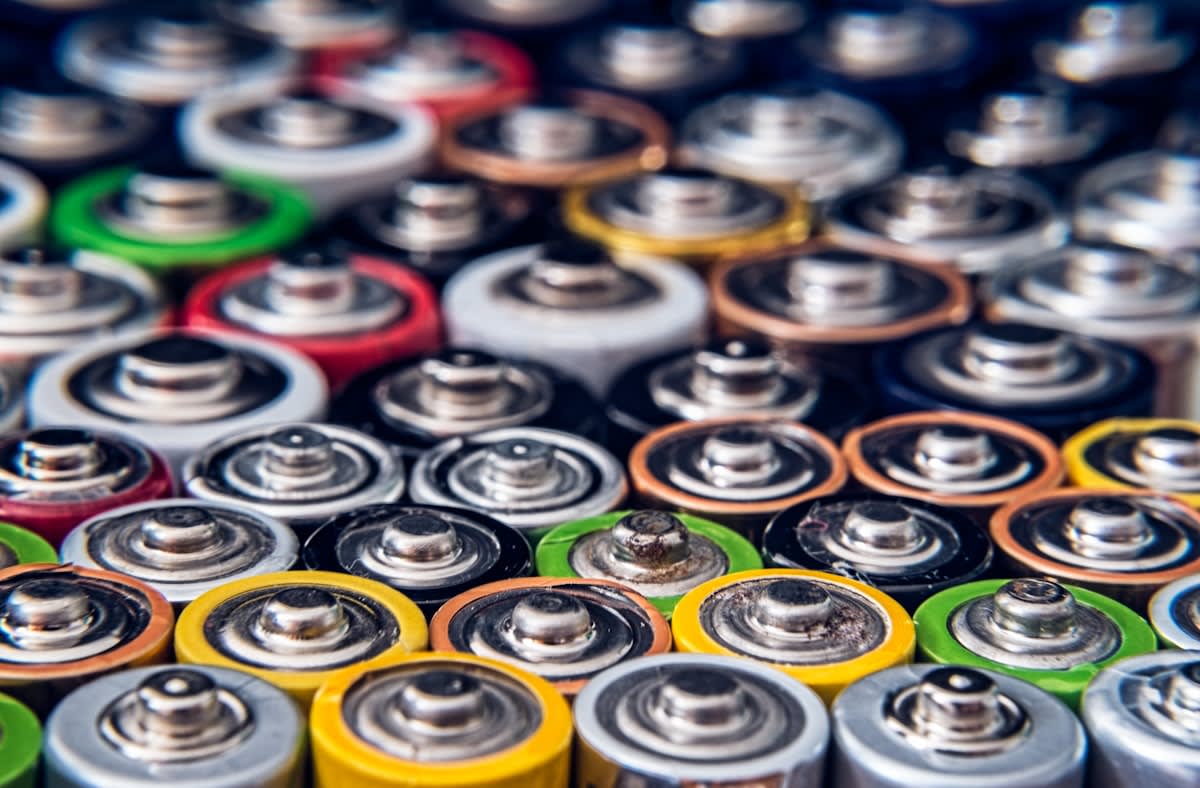
The global battery metals market is currently experiencing a volatile resurrection. After plunging to significant lows throughout 2024 and 2025, prices for lithium, cobalt, and nickel have begun to recover as of July 2026. This recovery arrives at a critical juncture where the electric vehicle (EV) sector, which historically accounts for 70% of total lithium-ion battery deployment, is navigating a sudden and unpredictable transition. The momentum that saw global lithium-ion battery deployment grow six-fold between 2020 and 2025 has met a wall of market resistance in 2026, creating a high-stakes environment for the regions that supply the raw ingredients.
This current instability reveals a stark divergence in regional demand. While EV sales surged by 20% year-on-year in 2025, the growth in 2026 has become fragmented. Europe maintains a steady trajectory with 26% year-on-year growth, but the real disruption is happening in the rest of the world, which grew by a staggering 89%. This explosion is driven primarily by the aggressive export of Chinese EVs into Asian markets, shifting the center of gravity for battery demand away from the West and toward the East. For Africa, this shift is not just a trade statistic; it is a catalyst for a total redefinition of its role in the supply chain.
The Capital Pivot: Beyond Raw Extraction
For decades, Africa was treated as a quarry—a place to extract raw ore for processing in China or Europe. That model is breaking. We are seeing a surge in internal African capital and strategic networking designed to keep more value on the continent. South African billionaire Patrice Motsepe is a primary example, aggressively investing in critical minerals and affordable renewable energy to signal a belief in the continent's industrial future. This is no longer about opportunistic mining; it is about building an integrated energy ecosystem that can withstand the whims of global commodity price swings.
The infrastructure for this shift is manifesting in high-level strategic forums. The upcoming 8th Resources for Africa Coal & Energy Transition Day on July 22, and the 2026 Joburg Indaba scheduled for October 7-8, are not merely networking events. They are the war rooms where senior executives from major South African mining companies and junior firms like Lithium Africa Resources Corp are aligning their frameworks. These gatherings focus on solving the logistics constraints and policy ambiguities that have historically hampered the region's ability to scale.
Strategic Insight
The transition from 'extraction' to 'ecosystem' is the most critical shift in the 2026 battery landscape. Africa is no longer just providing the minerals; it is attempting to dictate the terms of their movement.
Why does this matter now? Because the concentration of key minerals—such as cobalt in the Democratic Republic of Congo (DRC) and lithium in Chile—creates a geopolitical vulnerability that the world is desperate to hedge. While Chile's Novandino Litio pursues environmental approval for a $3 billion Atacama project to improve efficiency, Africa is leveraging its reserves to attract diverse investment. The goal is to move from being a supplier to becoming a hub for the mid-stream processing of battery metals.
| Region | EV Sales Growth (YoY) | Market Driver |
|---|---|---|
| Europe | 26% | Policy-driven adoption |
| Rest of World | 89% | Chinese export acceleration |
| Global Average (2025) | 20% | Early mass-market surge |
The Technical Frontier: Cleaning the Supply Chain
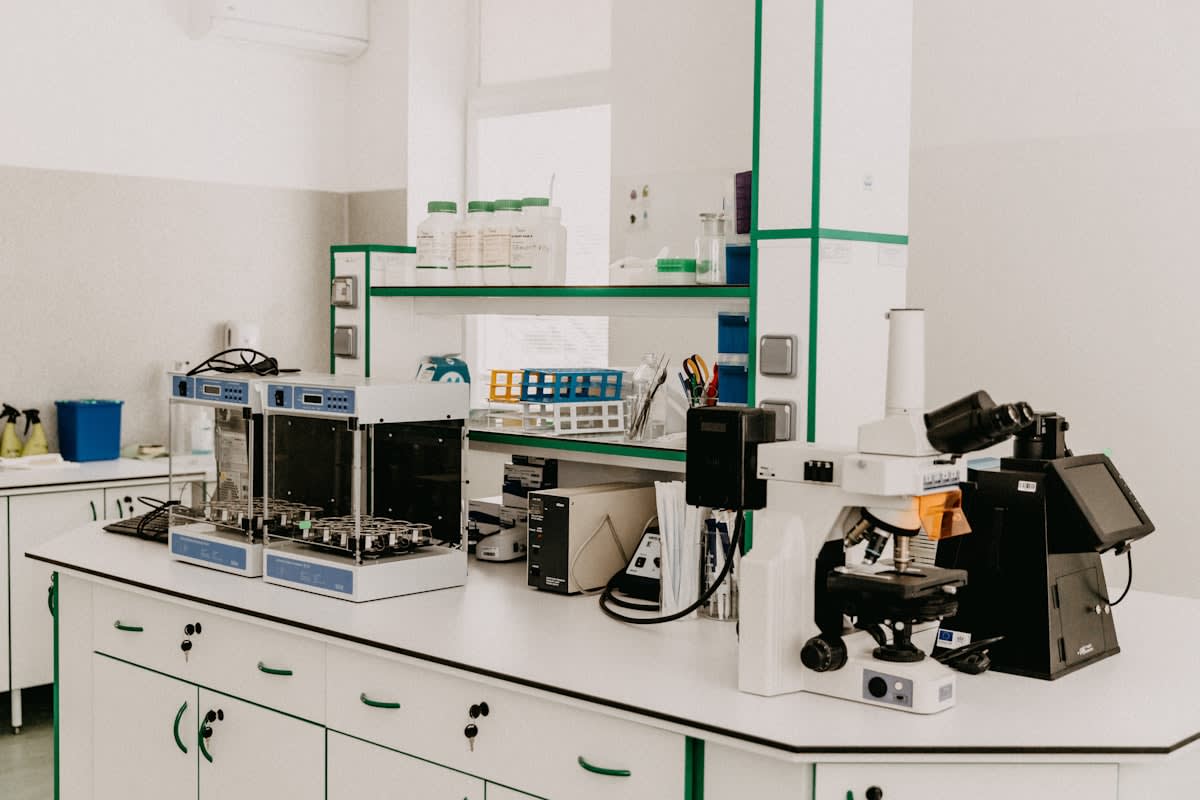
The next battleground in the battery race is not just where the minerals are found, but how they are recovered. Traditional mining faces severe environmental and geopolitical risks, which have made the industry vulnerable to regulatory crackdowns. A breakthrough is emerging in the form of biological recovery systems. Recent research into microalgal and cyanobacterial systems shows a promising ability to selectively recover lithium, cobalt, and rare-earth elements from high-salinity industrial and mining wastewaters.
This is a game-changer for African mining operations. By integrating these co-design strategies, mining firms can turn wastewater—previously a liability—into a secondary source of critical metals. This reduces the reliance on new, destructive extraction projects and aligns the industry with the stringent environmental standards demanded by European and North American buyers. It transforms the 'dirty' image of cobalt and lithium mining into a circular economy model.
The implications extend beyond batteries. The appetite for African minerals is spilling over into other sectors. In Zimbabwe, the gold hunt has accelerated as prices soar, with the country producing 16,588 kilograms of gold in the first five months of 2026 alone. This suggests a broader trend: a massive influx of capital into African geology as global investors seek tangible assets in an era of monetary instability.
Lithium-ion Battery Deployment Growth (2020 vs 2025)
Executive Insight
+18.4%
YTD Growth
The Delta: 2025 vs 2026
To understand the current urgency, one must look at the delta between last year and today. In 2025, the narrative was one of unchecked growth and supply anxiety. The market was reacting to the 6x increase in battery deployment over five years. However, 2026 has introduced the 'bumpy patch.' The surge in Chinese exports to Asia has created a distorted market where demand is skyrocketing in some regions while stagnating in others.
This volatility has forced a strategic recalibration. Whereas 2025 was about securing volume at any cost, 2026 is about securing efficiency and sustainability. This is why the focus has shifted toward junior mining companies like Lithium Africa Resources Corp and the implementation of recovery technologies. The industry has realized that raw volume is useless if the supply chain is brittle or environmentally untenable.
"The recovery of battery metals from their 2024-2025 lows is not a return to the old status quo, but the beginning of a more fragmented, regionalized supply chain."— Industry Analysis, July 2026
Ultimately, the quiet redefinition of the battery supply chain is happening in the boardrooms of Johannesburg and the labs of biological researchers. By combining massive private capital, such as that from Motsepe, with cutting-edge recovery tech and strategic regional alliances, Africa is positioning itself as the indispensable pivot point of the energy transition. The question is no longer whether Africa will participate in the battery revolution, but whether it will eventually lead it.