AI Executive Summary
"This article provides a high-level technical blueprint for implementing Zero Liquid Discharge systems, emphasizing the critical role of initial brine chemistry. It outlines the strategic transition from a cost-heavy waste disposal model to a circular economy asset through resource recovery."
The Baseline: What You Need Before Breaking Ground
You cannot build a ZLD system on assumptions. The chemistry of your influent stream dictates every hardware choice in the chain. Most operators fail because they treat wastewater as a monolithic entity rather than a complex chemical soup. Before specifying a single pump, you need a comprehensive ion analysis. Are you dealing with high silica levels that will shatter your membranes? Is the calcium hardness high enough to cause immediate scaling in the heat exchangers? In regions like Gujarat, India, where textile hubs face extreme water scarcity, the difference between a functioning plant and a multi-million dollar paperweight is the precision of the initial brine characterization.
- Complete TDS (Total Dissolved Solids) profile and ion distribution map.
- Steam or electrical capacity for thermal evaporation stages.
- Chemical feedstock for pH adjustment and softening (e.g., lime, soda ash).
- Hazardous waste disposal permits for the final solid salt cake.
- High-pressure piping infrastructure capable of handling corrosive brines.
Energy is the hidden tax of ZLD. While the goal is environmental compliance, the cost is measured in kilowatt-hours per cubic meter of water recovered. A typical ZLD system targets a 95% to 99% water recovery rate, but the energy curve is exponential. The first 70% of water is cheap to remove via membranes; the last 2% requires massive thermal energy to force crystallization. If your plant lacks a cheap heat source or a high-efficiency Mechanical Vapor Recompression (MVR) unit, the operational expenditures will cannibalize your margins.
The Execution Sequence
- Primary Pre-treatment: Implement chemical softening and ultrafiltration to remove suspended solids and divalent ions. This prevents the 'scaling' that kills downstream membranes.
- Membrane Concentration: Deploy High-Recovery Reverse Osmosis (HRRO) or Vibratory Shear Enhanced Processing (VSEP) to push the brine concentration to its osmotic limit, typically 60,000 to 100,000 mg/L TDS.
- Thermal Brine Concentration: Feed the RO concentrate into a Brine Concentrator (BC). Use MVR technology to boil the water, recovering high-purity distillate and further concentrating the brine to near-saturation.
- Forced Circulation Crystallization: Move the saturated slurry into a crystallizer. Here, the remaining water is evaporated, and dissolved solids precipitate into a solid salt cake.
- Solid-Liquid Separation: Use a centrifuge or filter press to separate the salt crystals from the residual mother liquor, which is then recycled back into the crystallizer.
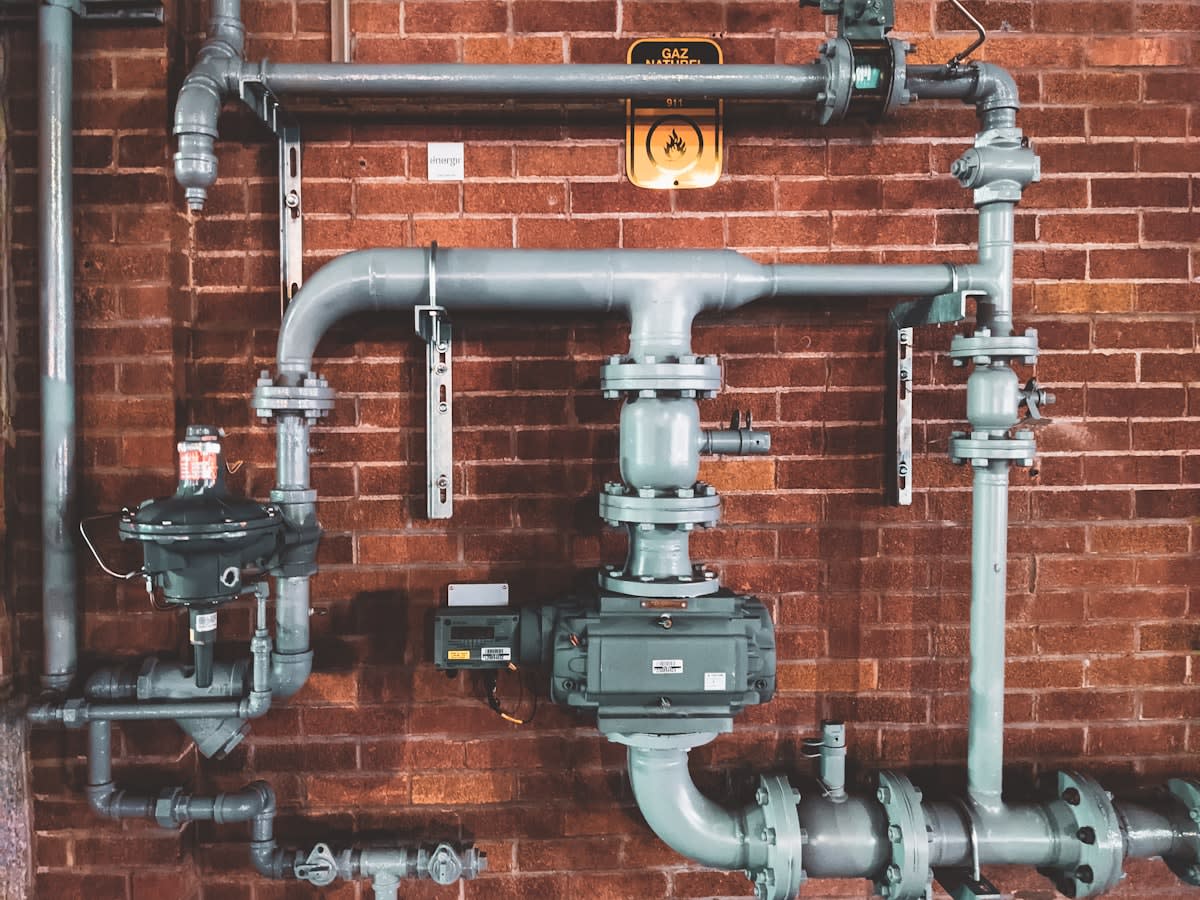
The membrane stage is where the efficiency battle is won. Standard RO fails when osmotic pressure exceeds the pump's capability. To push past this, engineers are increasingly turning to Osmotically Assisted Reverse Osmosis (OARO) or high-pressure discs. In the mining sectors of the Atacama region in Chile, where brine concentrations are naturally extreme, the focus shifts from simple filtration to managing the extreme salinity that would otherwise corrode standard stainless steel. Why settle for 70% recovery when the right membrane configuration can push you to 90% before the thermal stage even begins?
Once the brine hits the thermal stage, you are no longer managing water; you are managing phase changes. Mechanical Vapor Recompression (MVR) is the gold standard here because it recycles the latent heat of the vapor. Instead of constantly adding new steam, an MVR compressor increases the pressure and temperature of the vapor, allowing it to be used as the heating medium for the same brine. This reduces energy consumption by up to 80% compared to single-effect evaporators.
| Stage | Typical TDS Range | Energy Intensity | Primary Goal |
|---|---|---|---|
| Reverse Osmosis | 1,000 - 70,000 mg/L | Low (Electrical) | Bulk Water Recovery |
| Brine Concentrator | 70,000 - 250,000 mg/L | Medium (Thermal/MVR) | Saturation Point |
| Crystallizer | 250,000+ mg/L | High (Thermal) | Solid Waste Generation |
The final transition to the crystallizer is the most brutal part of the process. At this stage, the fluid is a thick slurry of salts and minerals. Forced circulation is mandatory to keep the solids in suspension and prevent them from plating out on the heat exchanger tubes. If the velocity drops, the system scales, the heat transfer coefficient plummets, and the entire plant grinds to a halt. This is the point where material science becomes critical; titanium or high-nickel alloys are often the only materials capable of surviving the corrosive nature of boiling concentrated chlorides.
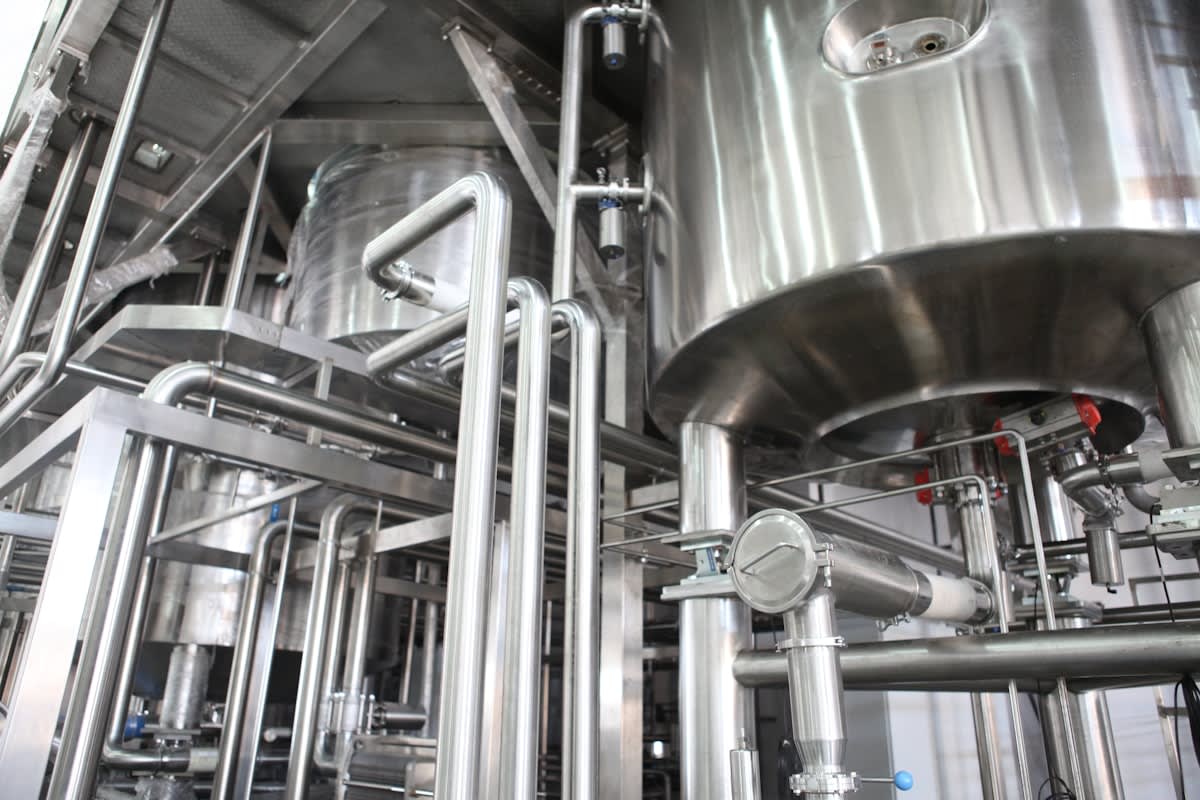
Does the recovered salt have value? In a sophisticated ZLD setup, the goal isn't just disposal—it is resource recovery. By using fractional crystallization, plants can separate sodium chloride from sodium sulfate, turning a waste stream into a sellable industrial feedstock. This transforms the ZLD system from a pure cost center into a circular economy asset. However, this requires an airtight understanding of the solubility curves of every salt present in the waste stream.
Common Pitfalls and Failure Modes
- Underestimating Silica: Silica does not precipitate easily and can form a glass-like layer on membranes and tubes that is nearly impossible to remove chemically.
- Ignoring the Mother Liquor: Attempting to evaporate 100% of the water often leads to 'foaming' or 'bumping' in the evaporator, which can carry solids into the distillate.
- Poor Material Selection: Using 316L stainless steel in high-chloride environments leads to pitting and stress corrosion cracking within months.
- Over-reliance on Automation: ZLD systems are dynamic. Relying solely on sensors without manual sampling often misses the 'tipping point' of saturation until the system is already scaled.
Pro Tip: Manage the Impurities
To maximize the lifespan of your thermal assets, implement a rigorous 'blowdown' strategy. Regularly purging a small percentage of the concentrated brine prevents the accumulation of non-volatile impurities that cause foaming and reduce heat transfer efficiency.
The ultimate success of a ZLD system is measured by its uptime. Many plants look impressive on a commissioning report but fail during the first year of operation because the maintenance cycle was not factored into the design. Cleaning-in-Place (CIP) systems must be integrated into the architecture, allowing for the rapid acid-washing of membranes and the descaling of heat exchangers without shutting down the entire production line. A ZLD system is not a 'set and forget' installation; it is a living chemical process that requires constant tuning.