
AI Executive Summary
"This article provides a strategic framework for achieving residential energy autonomy by transitioning from passive consumption to active micro-generation. It emphasizes the critical role of energy storage systems and Virtual Power Plants in mitigating the risks of centralized grid failure and declining net metering."
The Architecture of Autonomy
Energy autonomy is no longer a fringe pursuit for the off-grid enthusiast; it is a calculated strategic shift in how we manage the fundamental unit of modern survival. For too long, the residential model has been one of passive consumption, where the homeowner is a terminal point in a fragile, centralized network. True autonomy requires a reversal of this flow, transforming the home into a micro-generation plant that can sustain itself while intelligently interacting with the broader grid. This transition is driven not just by a desire for independence, but by the systemic collapse of traditional incentives like net metering, which utility companies have successfully lobbied to reduce or eliminate.
The shift is palpable in the data. We are seeing a move away from simple generation toward sophisticated energy storage systems (ESS). In the United States, the regulatory environment for electric vehicles has fluctuated, prompting industry giants to pivot. A prime example is the LG Energy Solution-Honda joint venture in Jeffersonville, Ohio, which shifted its production strategy to focus on ESS battery cells for residential and industrial applications. This pivot signals a broader market realization: generating power is easy, but managing it is where the real value—and the real autonomy—resides.
The Practitioner's Mantra
Autonomy is not the absence of the grid, but the presence of choice. The goal is to reach a state where the grid is a backup, not a lifeline.
Prerequisites for Energy Decoupling
Before deploying a single panel or battery, a practitioner must conduct a ruthless audit of their energy baseline. Autonomy is impossible if your efficiency is low; you cannot build a fortress on a foundation of waste. This involves analyzing peak load times and identifying energy-hungry legacy systems. In regions like the Texas Hill Country, for instance, water quality significantly impacts the lifespan of heating equipment, making the choice of hardware a regional engineering challenge rather than a generic purchase.
- Local Environmental Audit: Analysis of solar irradiance, water mineral content, and temperature extremes.
- Load Profile Mapping: Identifying the delta between base load and peak demand.
- Hardware Procurement: Sourcing high-efficiency inverters, lithium-ion cells, and photovoltaic arrays.
- Regulatory Review: Understanding the current status of net metering and VPP eligibility in your jurisdiction.
Once the audit is complete, the focus shifts to the hardware stack. Whether you are utilizing commercial-grade systems or improvising with available materials, the physics remain the same. The objective is to create a closed-loop system where generation meets or exceeds consumption, and storage buffers the intermittency of renewables. This requires a disciplined approach to procurement, ensuring that every component is scaled for the specific needs of the household rather than following a one-size-fits-all retail package.
The Implementation Roadmap
- Optimize Thermal Loads: Replace inefficient water heaters and HVAC systems to lower the total energy threshold.
- Deploy Generation Assets: Install solar arrays tailored to the local environment, utilizing recycled or new hardware based on budget.
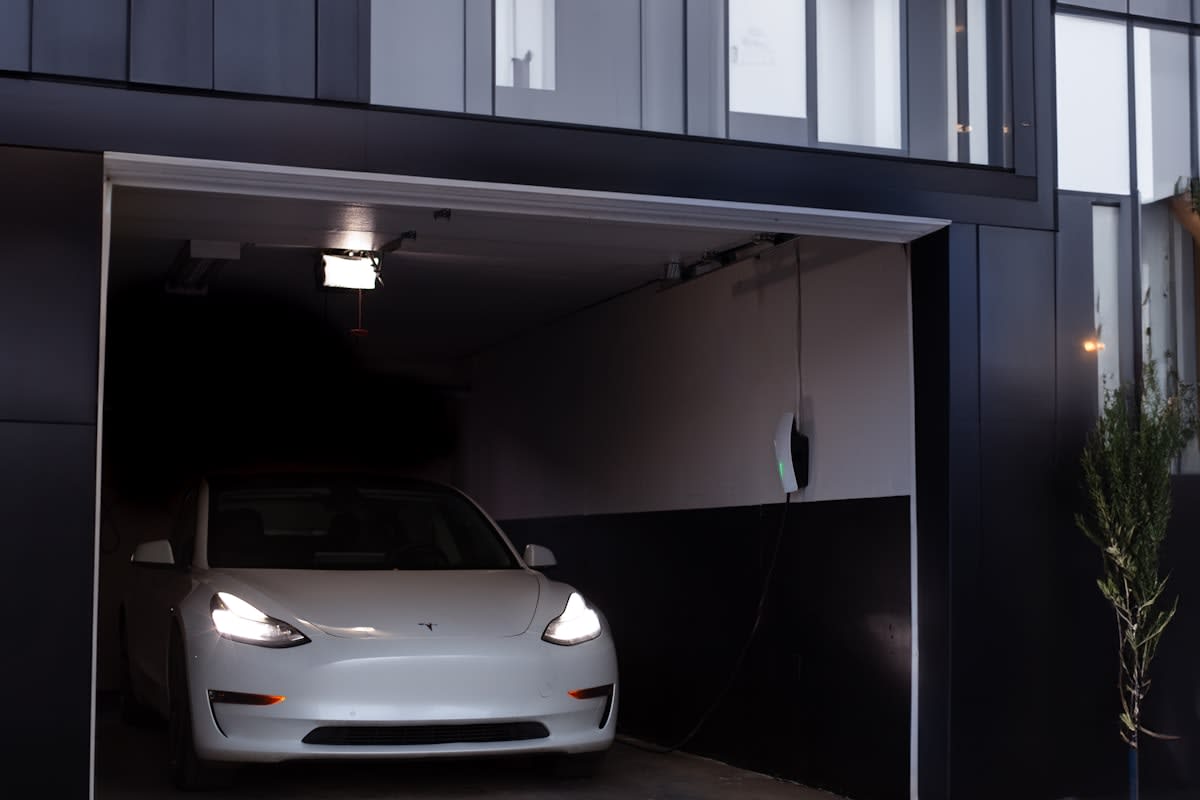
- Integrate Energy Storage: Implement an ESS to capture excess daytime generation and eliminate dependence on grid-fed night power.
- Synchronize with Virtual Power Plants (VPPs): Connect the home battery to a coordinated network to monetize excess capacity.
The first step, load optimization, is often overlooked but is the most impactful. Take water heating: the adoption of tankless water heaters has grown from roughly 5% of the market in 2021 to nearly 10% by 2025, according to Energy Star data. By removing the need to keep a large tank of water hot 24/7, homeowners drastically reduce their base load. In the Texas Hill Country, this transition is critical because regional water conditions can degrade traditional tanks rapidly, making tankless options not just an energy win, but a durability win.
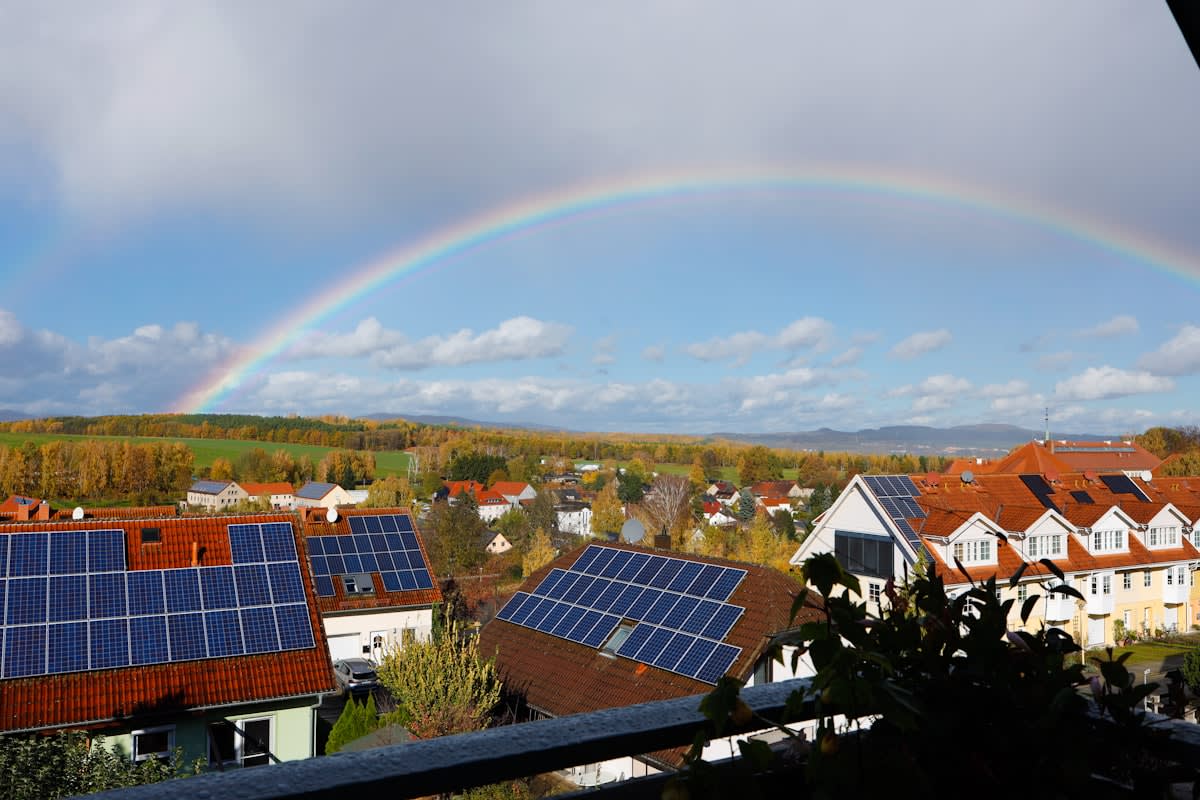
Generation does not always require a corporate contract. In Brazil, innovator Rogério Gonçalves demonstrated that autonomy is possible even in vulnerable communities using scrap solar panels and recycled phone batteries. By scavenging materials from junkyards to bring light to shantytowns in Mato Grosso do Sul, Gonçalves proved that the blueprint for energy independence can be scaled down to the most basic components. This 'popular invention' approach highlights that the primary barrier to autonomy is often knowledge, not capital.
However, for those seeking industrial-grade reliability, the focus must be on the Energy Storage System (ESS). The proliferation of lithium-ion cells, such as those now being mass-produced by the L-H Battery Co. in Ohio, allows homeowners to move beyond the 'solar-only' trap. Without storage, you are still a slave to the sun's schedule and the utility's pricing. An ESS allows you to shift your usage, storing energy when it is cheapest (or free) and deploying it during peak demand, effectively decoupling your lifestyle from the grid's volatility.
The final stage of the blueprint is the transition from a standalone system to an active grid participant. This is achieved through Virtual Power Plants (VPPs). Rather than selling power back to the utility at a loss—a common result of the death of net metering—homeowners can join VPPs that coordinate the discharge of thousands of home batteries. This creates a new revenue stream and provides grid stability, turning the residential battery into an active grid management tool.
"Virtual power plants are critical for integrating more intermittent cleantech generation assets to the grid and create a healthy market for energy storage systems."— GCL Executive Team
This VPP model is being scaled globally. GCL is currently integrating AI data centers directly with the grid using VPP solutions across China, Australia, Southeast Asia, and Europe. By treating energy storage as a distributed asset, they are creating a blueprint for how residential and industrial systems can coexist. The integration of AI allows for predictive discharging, ensuring that your home battery isn't just a backup, but a financial asset that responds to real-time market signals.
| Autonomy Tier | Primary Hardware | Grid Relationship | Key Objective |
|---|---|---|---|
| Improvised | Scrap Panels / Phone Batteries | Disconnected/Off-grid | Basic Survival/Lighting |
| Commercial | Tier 1 Solar / Li-ion ESS | Intermittent/Net Metered | Cost Reduction |
| Integrated | Smart ESS / VPP Software | Active Participant/Prosumer | Revenue Generation & Resilience |
Common Pitfalls and Engineering Failures
The path to autonomy is littered with avoidable errors. The most frequent is the 'generation obsession,' where homeowners install massive solar arrays without addressing their efficiency. If your home has poor insulation or an outdated water heater, you are simply using a high-tech solution to power a wasteful system. As seen in the Texas Hill Country, ignoring regional variables—like how water mineral content affects equipment lifespan—can lead to premature system failure and unexpected replacement costs.
Another critical failure is the reliance on outdated financial models. Many homeowners still believe that net metering will provide a quick return on investment. In reality, utilities have pivoted, and the 'old days' of selling electricity back at retail rates are gone. Those who fail to integrate storage (ESS) and VPP capabilities find themselves with expensive hardware that they cannot fully utilize during peak hours, leaving them vulnerable to the very grid they sought to escape.
Practitioner's Warning
Always prioritize load reduction before generation. It is far cheaper to save a kilowatt than it is to generate and store one.