The Logistics Pivot
The global fight against food waste has long been framed as a battle of consumer behavior and composting bins. This is a mistake. The real war is being fought in the plumbing of global trade, and as of July 2026, the center of gravity has shifted to Central Asia. Kazakhstan is no longer content being a passive transit corridor for goods moving between East and West. Instead, the nation is aggressively pivoting toward a strategic partnership with the European Union, moving beyond simple trade to build a comprehensive framework for supply chain resilience. This is not just a diplomatic gesture; it is a systemic redesign of how food and raw materials move across the Eurasian landmass.
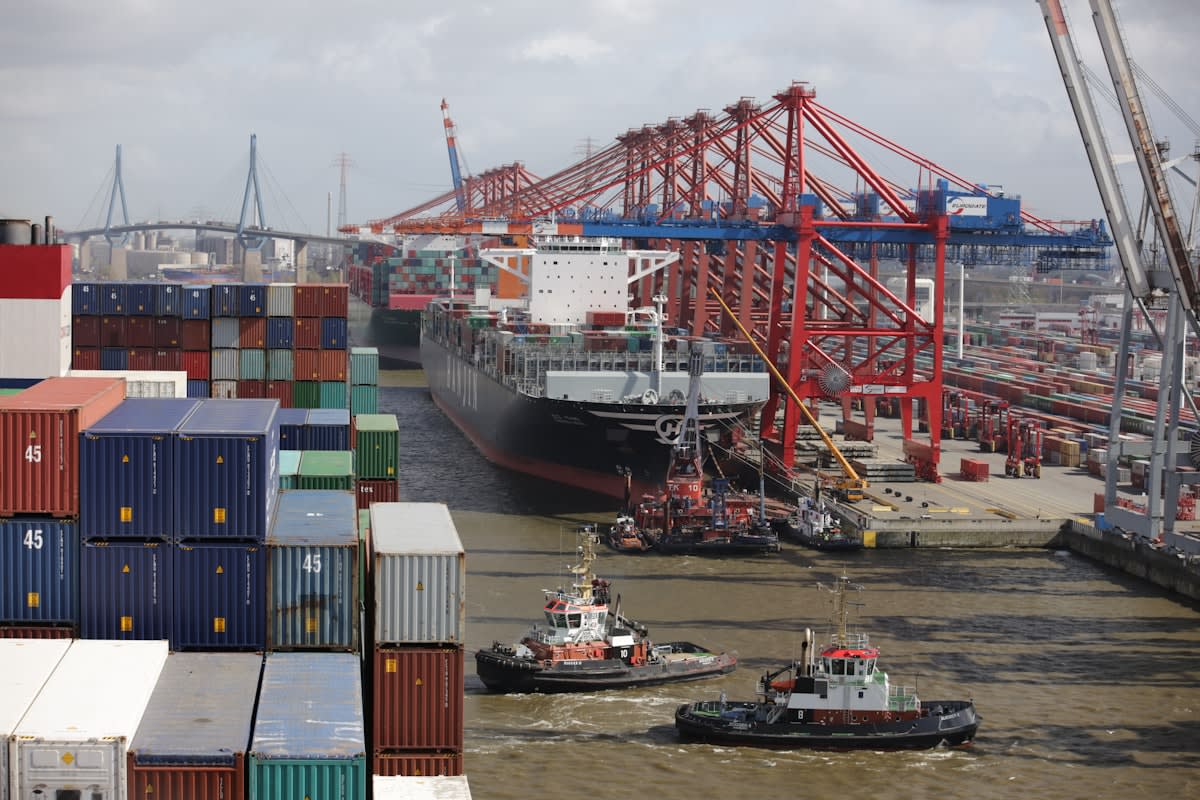
For decades, the region functioned as a bridge, but bridges are prone to bottlenecks. Bottlenecks in food logistics translate directly into spoilage and waste. By integrating into Europe's diversification strategy, Kazakhstan is positioning itself as a participant in industrial value chains rather than a mere waypoint. This shift targets the most volatile segment of the food journey: the transit phase. When a country evolves from a transport hub into an investment platform for industrial value chains, it gains the ability to process, preserve, and manage food stocks locally, slashing the waste associated with long-haul, unmanaged transport.
"It is no longer only about trade or transit, but about forming a broader economic partnership in which Central Asia is becoming an important part of Europe’s diversification strategy."— Alona Lebedieva
The catalyst for this transformation is the Trans-Caspian International Transport Route, known as the Middle Corridor. This route is the operational heart of the new strategy. By diversifying routes and increasing the speed of transit between Asia and Europe, the Middle Corridor reduces the time-to-market for perishable goods. In the world of food logistics, time is the primary enemy. Every hour saved in transit is a percentage of the crop saved from the landfill. Kazakhstan's ambition to become an aviation and railway link is a direct attack on the inefficiencies that have historically plagued Eurasian food movements.
The Strategic Delta
The shift from 'Transit' to 'Strategic Partnership' means moving from moving boxes to managing the value of what is inside those boxes. This is where the war on waste is won.
The Cost of Systemic Failure
To understand why the Middle Corridor matters, one must look at the sheer scale of failure in current agricultural systems. The Food and Agriculture Organization (FAO) estimates that up to 40% of global crop yields are lost annually to pests and diseases. While much of this occurs in the field, the inability to move harvested crops efficiently to markets that need them exacerbates the crisis. In regions where infrastructure is crumbling or outdated, the 40% loss figure is not a statistic—it is a systemic collapse. Central Asia's push for resilience is a response to this global vulnerability.
Contrast this with the approach in other emerging markets. In Africa, the fight against waste is happening at the soil level through precision agriculture. The use of GPS, satellite imagery, and Variable Rate Technology (VRT) is allowing farmers to optimize inputs and reduce crop failure. In Egypt, where the Nile provides over 90% of freshwater, precision irrigation is a national necessity. However, producing more food with precision is useless if the logistics of moving that food are broken. This is the gap that Kazakhstan's strategic partnership with the EU aims to bridge.
| Approach | Primary Focus | Waste Mitigation Strategy | Key Tool |
|---|---|---|---|
| Precision Ag (Africa/US) | Production Efficiency | Preventing on-field loss | Drones/VRT/AI |
| Strategic Hubs (Central Asia) | Supply Chain Resilience | Preventing transit spoilage | Middle Corridor/EU Partnership |
| Domestic Demand (Ukraine) | Market Creation | Reducing agricultural surplus | Bioenergy/Internal Demand |
The global landscape is therefore bifurcating. On one side, you have the technological optimization of the farm, seen in the proliferation of agricultural drones across U.S. farms to combat labor shortages and increase precision. On the other, you have the structural optimization of the route. Neither is sufficient alone. A drone-optimized harvest that sits in a stalled train for two weeks is still waste. The urgency of the Kazakhstan-EU partnership lies in its recognition that the 'middle' of the supply chain is where the most significant, yet often ignored, losses occur.
The Surplus Paradox
There is a deeper, more provocative trend emerging: the world may be entering an era of agricultural surplus. As highlighted by analyst Cesar Soares, the winners of the next few decades will not be those who simply grow more grain, but those who can create new demand for it. This is a critical realization for the war on food waste. If the world produces more than it consumes, the traditional export-heavy model becomes a liability. Waste is no longer just about spoilage; it is about the inefficiency of overproduction without a corresponding logistics or demand framework.
Ukraine is already contemplating this shift, moving away from a pure grain-export mindset toward creating domestic demand and investing in bioenergy. This mirrors the logic of the Kazakhstan-EU partnership. By moving into 'industrial value chains,' Kazakhstan is essentially saying that exporting raw materials is an obsolete strategy. Processing those materials into higher-value products locally reduces the volume of goods that need to be shipped, lowers the risk of transit waste, and creates a more stable economic foundation.
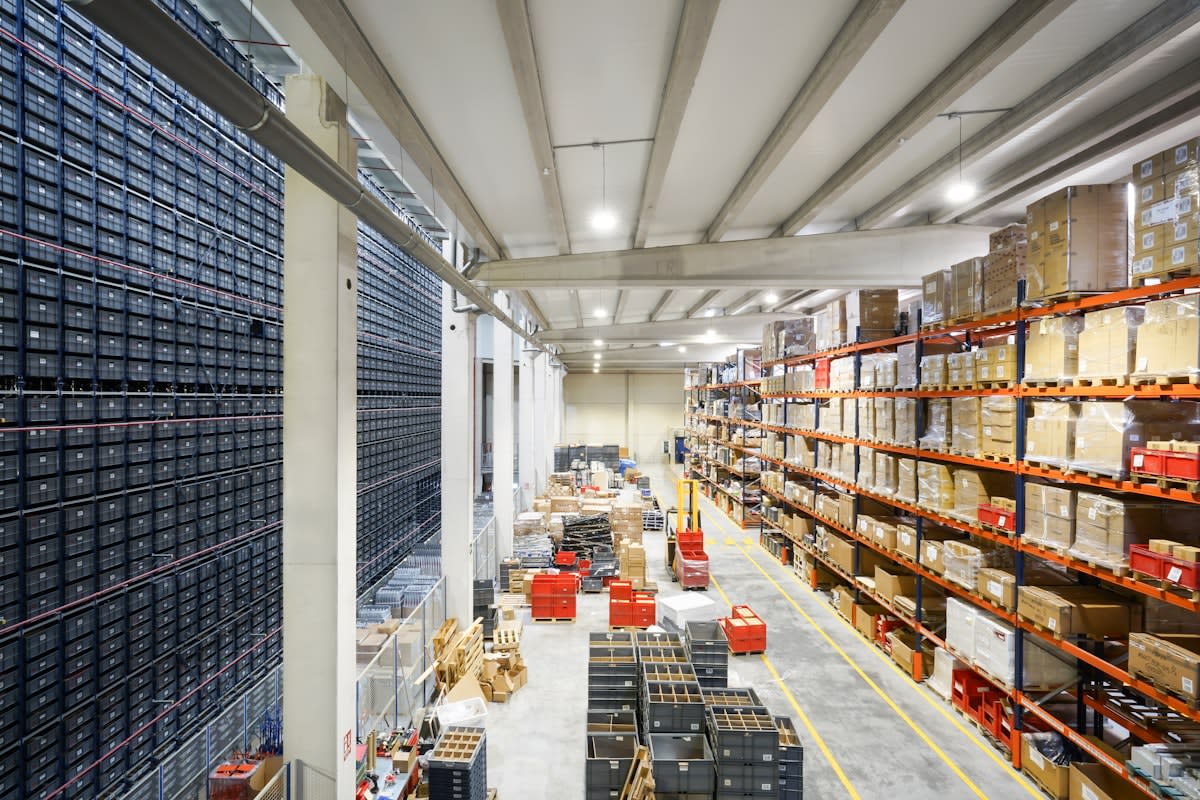
This is the 'so what' of the current moment. The war on food waste is evolving from a biological problem (pests and diseases) to a logistical and economic one (surplus and transit). The integration of AI-enabled automation, similar to the domestic manufacturing shifts seen in the U.S. with companies like Oobotic, is the next logical step for these corridors. When automation meets infrastructure, the ability to scale domestic production and manage it reliably for retail partners becomes a reality.
Ultimately, Central Asia's quiet leadership in this space is a result of geographic necessity. Being landlocked forces a level of innovation in transport that coastal nations often ignore. By leveraging the Middle Corridor and forging strategic ties with the EU, Kazakhstan is providing a blueprint for how to turn a transit vulnerability into a resilience asset. The goal is a world where the 40% loss cited by the FAO is not a given, but a solvable engineering problem.
The transition is now underway. The move from transit to partnership is the definitive trend of 2026. As these industrial value chains mature, the Middle Corridor will do more than move goods; it will preserve them, ensuring that the surplus of the future does not become the waste of today.