AI Executive Summary
"This article analyzes the systemic shift in the cocoa industry as Ghana pursues economic sovereignty through agro-processing. It highlights the geopolitical influence of China and the defensive strategies of global corporations like Cargill."
The Price of Power
The global cocoa market is currently enduring a period of extreme volatility, characterized by record prices that are sending shockwaves through food and beverage supply chains. For decades, the narrative was simple: West African nations grew the beans, and the Global North processed them into luxury goods. But that asymmetry is fracturing. We are seeing a quiet, systemic redesign of the supply chain where the producers are no longer content with the crumbs of the value-add process.
Why is this happening now? The answer lies in the intersection of climate instability and economic desperation. When raw commodity prices fluctuate wildly, countries like Ghana find themselves dangerously exposed. The reliance on exporting raw cocoa, shea nuts, and cashews creates a structural vulnerability that leaves national budgets at the mercy of international traders. The shift toward agro-processing is not just an economic goal; it is a survival strategy.
The Strategic Shift
The Delta: In previous decades, West Africa functioned as a raw material warehouse. By 2026, the objective is to transition into a global brand hub, shifting the economic center of gravity from the chocolate factory in Europe to the processing plant in Accra.

The Ghana-China Axis
Ghana is not attempting this transition in a vacuum. The geopolitical alignment is shifting toward the East. On July 5, 1960, Ghana became one of the first African nations to recognize the People's Republic of China, forging a bond that has now spanned 65 years. As we enter 2026, this relationship is evolving from basic diplomatic recognition into a sophisticated partnership focused on agricultural modernization and technology transfer.
The timing is precise. Under the banner of the China-Africa Year of Cultural and People-to-People Exchanges in 2026, the two nations are deepening collaboration in industrial development. For Ghana, China represents more than just a buyer; it is a source of the technological infrastructure required to move from 'raw commodities to global brands.' This is a direct challenge to the traditional Western hegemony over the cocoa processing pipeline.
| Model | Primary Output | Economic Risk | Strategic Goal (2026) |
|---|---|---|---|
| Traditional | Raw Cocoa Beans | High Price Volatility | Commodity Export |
| Emerging | Processed Cocoa/Brands | Infrastructure Cost | High-Value Agro-Processing Hub |
At the heart of this domestic overhaul is the One District, One Factory initiative. This is not merely a local employment program; it is a blueprint for industrialization. By establishing processing capabilities within districts, Ghana is attempting to decentralize its economy and ensure that the value-addition happens on Ghanaian soil. The target isn't just cocoa, but a broader portfolio including shea nuts and cashews, creating a diversified agro-industrial base.
Corporate Panic and Futureproofing
While Ghana redesigns its national strategy, the industry's biggest players are in a race to secure their supply lines. Cargill, a dominant force in the cocoa trade, is currently investing heavily in what they term futureproofing. With record prices increasing costs across the entire food and beverage chain, the risk of total supply collapse is no longer theoretical—it is a boardroom priority.
"The long-term future of cocoa starts with resilient farmers. If farmers have productive farms, stronger businesses and confidence to invest in the future, they’re better placed to adapt to challenges such as climate change and changing market conditions."— Emiel van Dijk, Senior Vice President and Managing Director of Cocoa & Chocolate at Cargill
Cargill's approach is a tacit admission that the old model of extraction is dead. To maintain a steady flow of beans, corporations are now forced to invest in the very things they previously ignored: farmer training, agroforestry, and community development. The focus has shifted toward traceability, ensuring that the cocoa is not only available but meets increasingly stringent global standards.
- Agroforestry: Integrating trees to protect cocoa plants from climate extremes.
- Traceability: Implementing systems to track beans from farm to factory.
- Farmer Training: Improving yield and business management at the plot level.
- Community Development: Building social resilience to prevent rural exodus.
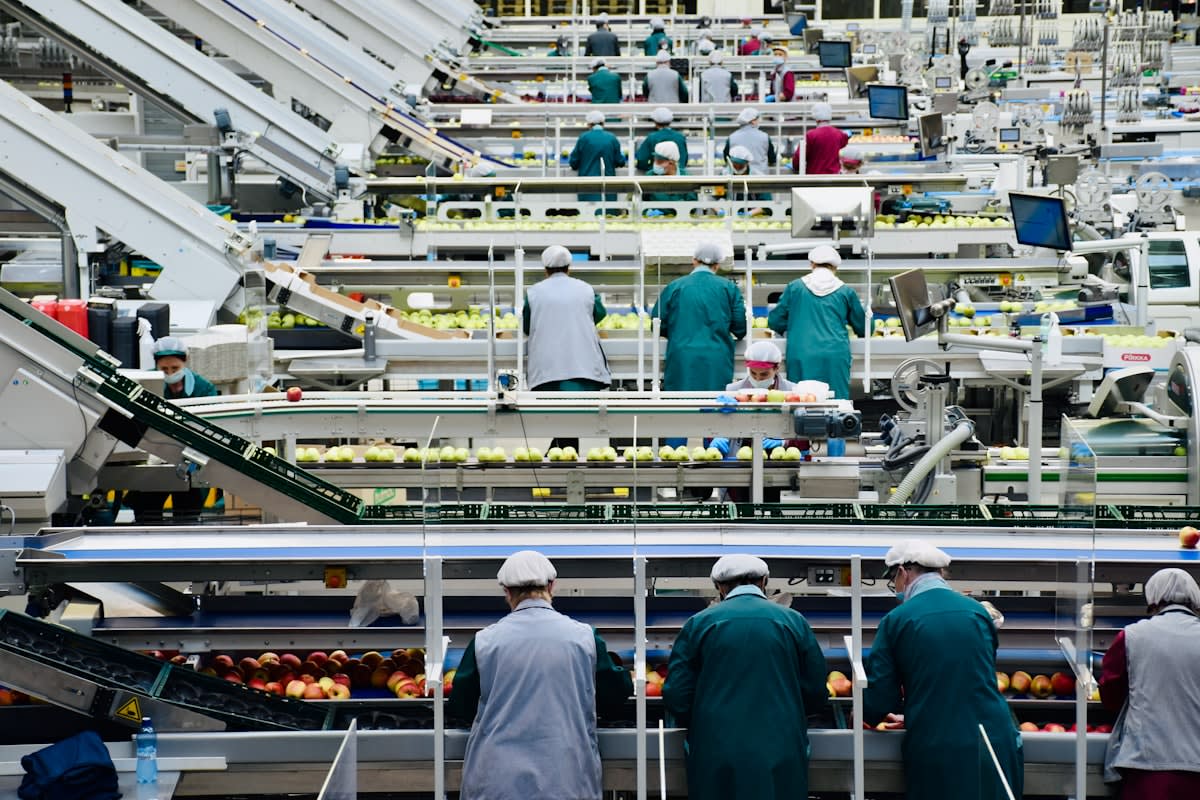
But does corporate investment in resilience offset the national ambition of West African states? Likely not. While Cargill focuses on the productivity of the farm, Ghana is focusing on the ownership of the factory. These are two different versions of the future. One seeks to stabilize the current supply chain; the other seeks to replace it entirely.
Supply Chain Priority Shift (2025 vs 2026)
Executive Insight
+18.4%
YTD Growth
The systemic shift we are witnessing is a move toward economic sovereignty. By leveraging the China-Africa Year of Cultural and People-to-People Exchanges, Ghana is securing the technology transfer necessary to bypass the traditional middlemen of the cocoa trade. If successful, the 'hub for high-value agro-processing' will not just export chocolate—it will export brands.
The global audience must realize that the 'cocoa crisis' is not just about weather or pests. It is about a fundamental renegotiation of power. As West Africa quietly redesigns its supply chain, the cost of chocolate may rise, but the value captured by the people who actually grow the beans is finally moving in the right direction.