
AI Executive Summary
"This article analyzes the systemic failure of terrestrial mineral supply chains in the US and Africa due to legal disputes and infrastructure decay. It highlights the strategic shift toward seabed mining as a critical hedge against geopolitical monopolies."
The Domestic Legal Deadlock
China holds the lead. This dominance persists not because of a lack of alternatives, but because those alternatives are currently bogged down in litigation and poor infrastructure. Washington pours billions into domestic efforts to loosen Beijing's grip on materials essential for electric vehicles and defense munitions. These funds often fuel corporate warfare rather than actual extraction. MP Materials filed a lawsuit in May against USA Rare Earth, alleging the theft of proprietary technology via a former employee. Such legal disputes indicate that the US push for autonomy is currently a battle of lawyers rather than miners.
Internal friction slows the pace of production. The Trump administration's public-private push aims to secure the supply chain for advanced technologies. However, when the core companies central to this ambition are locked in court, the actual output remains stagnant. Export restrictions from Beijing continue to threaten Washington, yet the domestic response is fragmented. Progress is measured in legal filings instead of tons of refined oxide. This environment ensures that the monopoly remains intact while the challengers fight over intellectual property.
The African Reserve Paradox
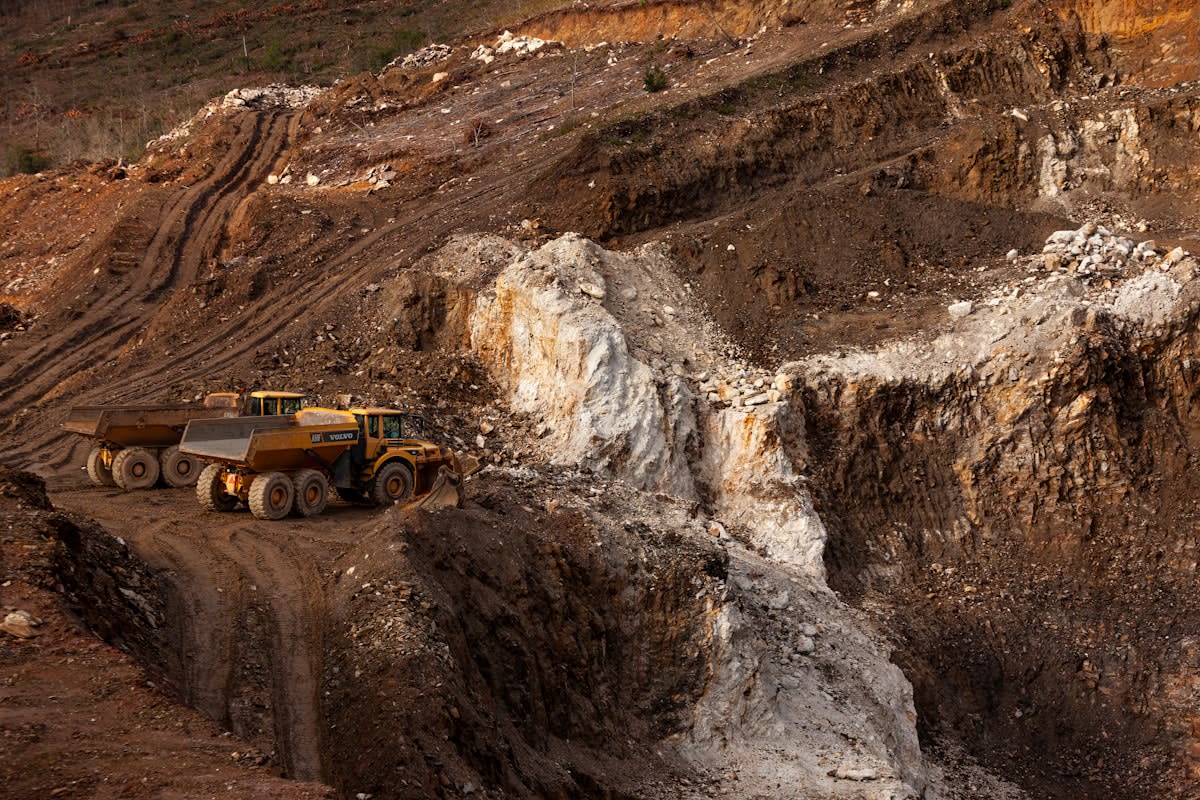
Africa owns the reserves. Over a quarter of the world's known critical mineral deposits, including lithium, manganese, copper, and bauxite, sit beneath the continent's soil. These resources are the primary fuel for AI and clean energy technologies. Yet, the conversion of these reserves into usable commodities is failing. Less than ten percent of mining projects are actually moving ahead. The gap between geological potential and industrial reality is vast.
Logistics dictate the outcome. A brownout in Kinshasa prevents the processing of ore that could solve a firmware bug in Taipei. Financing and policy challenges act as hard ceilings on growth. Without fixed infrastructure, the continent risks missing its largest investment window in decades. Wealth remains trapped in the ground due to a lack of reliable power and transport. The physical reality of moving heavy minerals across underdeveloped terrain outweighs the theoretical value of the deposits.
| Region | Key Resource | Primary Constraint | Project Success Rate |
|---|---|---|---|
| US Domestic | Rare Earth Elements | Proprietary Litigation | Low/Stagnant |
| Africa | Li, Mn, Cu, Bauxite | Infrastructure/Policy | < 10% |
| Cook Islands | Polymetallic Nodules | Environmental Certification | Early Stage |
Extraction is sometimes trivial. At the Arlit uranium mine in Niger, ore sits only sixty meters below the surface. Workers retrieve the material from a shallow open pit, requiring minimal technical depth. Despite this geological advantage, the broader industrial framework is absent. High-grade deposits are useless if the rail lines are decayed. The Arlit example proves that ease of access does not equal ease of export.
The Efficiency Gap
The discrepancy between Africa's 25% reserve share and its <10% project advancement rate suggests a total failure of the current investment model.
Seabed Extraction as a Strategic Hedge
The ocean floor is the new front. The Metals Company (TMC) recently achieved a NOAA exploration milestone for its USA B license application. Polymetallic nodules offer a potential alternative to terrestrial mining. This process requires an Environmental Impact Statement and public review before a final decision. Scientific research and offshore engineering studies have spanned a decade. The goal is to bypass the terrestrial bottlenecks of both the US and Africa.
Diplomacy now follows the minerals. Jared Novelly, the US ambassador to New Zealand and several Pacific island nations, has designated Cook Islands seabed minerals as a top priority. China's influence in the Pacific is viewed as a risk to small island states. A non-binding framework on critical minerals research was signed in February to secure supply-chain security. Novelly intends to introduce US companies to assist in extraction. This is a calculated attempt to outflank Beijing in the deep sea.
"Critical minerals had moved rapidly up his agenda over the last year."— Jared Novelly, US Ambassador
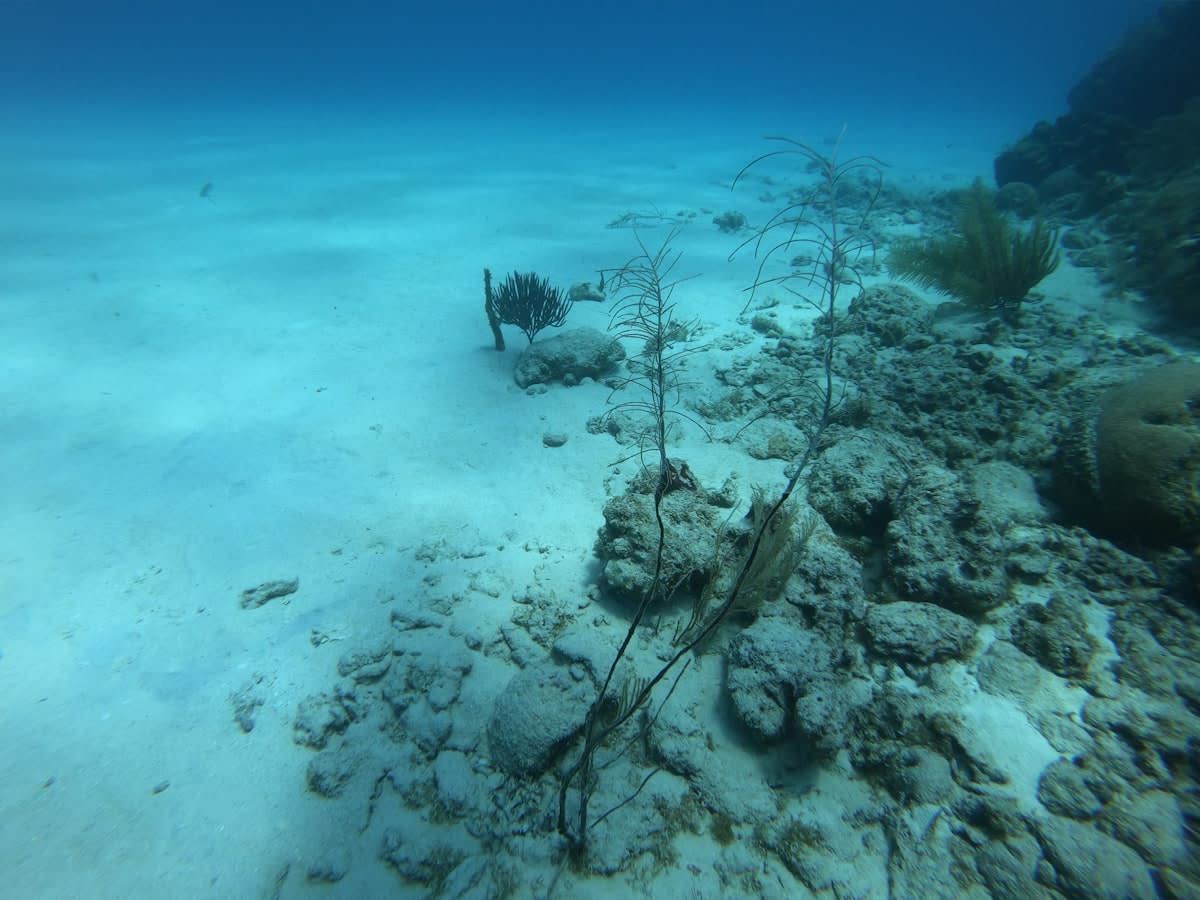
Risk remains the primary variable. Deep-sea mining faces immense regulatory hurdles and environmental scrutiny. TMC's progress is a signal, not a solution. The cost of failure in the Pacific is high, involving both ecological damage and diplomatic fallout. However, the alternative is continuing to rely on a supply chain controlled by a geopolitical rival. Washington is gambling on the seabed because the land is too contested.
Corporate instability mirrors the geopolitical tension. US companies are fighting each other while the Pacific is auctioned off to the highest bidder. The legal row between MP Materials and USA Rare Earth is a symptom of a larger disorder. Billions in funding cannot replace a coherent industrial strategy. Without it, the US remains a consumer of minerals it cannot produce and a financier of projects it cannot complete.
Africa's potential is a statistical fact but an operational lie. Holding a quarter of the world's reserves means nothing if the power grid cannot support a refinery. The world depends on these minerals for AI and defense. Yet, the current trajectory suggests a continued reliance on existing monopolies. The neutralization of these monopolies requires more than just finding the ore; it requires the physical capacity to move it.