
AI Executive Summary
"This article analyzes the shift from centralized power to a decentralized, software-defined energy network in Bengaluru. It highlights the strategic importance of zinc ion chemistry and domestic manufacturing in achieving urban energy sovereignty."
The July 2026 Hard Line
July 2026 marks a hard line. The city's energy profile is rewriting itself through solid-state adoption. While Kinshasa struggles with chronic brownouts due to aging copper and fuel shortages, Bengaluru is integrating distributed intelligence into its physical layer. This transition moves stability from the central plant to the edge of the grid. Failure here is not a flicker but a total loss of synchronization across the metropolitan area.
Virtual power plants (VPPs) are the primary engine of this change. These systems coordinate thousands of residential batteries to discharge simultaneously during peak loads. Utility companies previously fought net metering to protect their margins, as reported by CleanTechnica. Now, they leverage home storage to offset peak demand. This strategy turns the consumer into a grid-scale asset, shifting the burden of stability from the utility to the homeowner's garage.

Zinc ion technology provides the physical foundation for this shift. IndexBox data identifies this chemistry as the critical path for grid infrastructure and renewable integration. Unlike lithium-ion, zinc ion avoids the volatile thermal runaway risks that plague high-density urban deployments. Stability is no longer a software patch but a chemical property. Costs are plummeting as the supply chain for balance-of-plant components matures.
| Metric | Traditional Li-Ion | Zinc Ion (2026 Trend) |
|---|---|---|
| Primary Application | Consumer Electronics/EV | Grid Infrastructure/Industrial Backup |
| Thermal Risk | High (Liquid Electrolyte) | Low (Solid-State/Aqueous) |
| Supply Chain | Cobalt/Lithium Dependent | Zinc/Abundant Materials |
| Grid Role | Passive Storage | Active Management Tool |
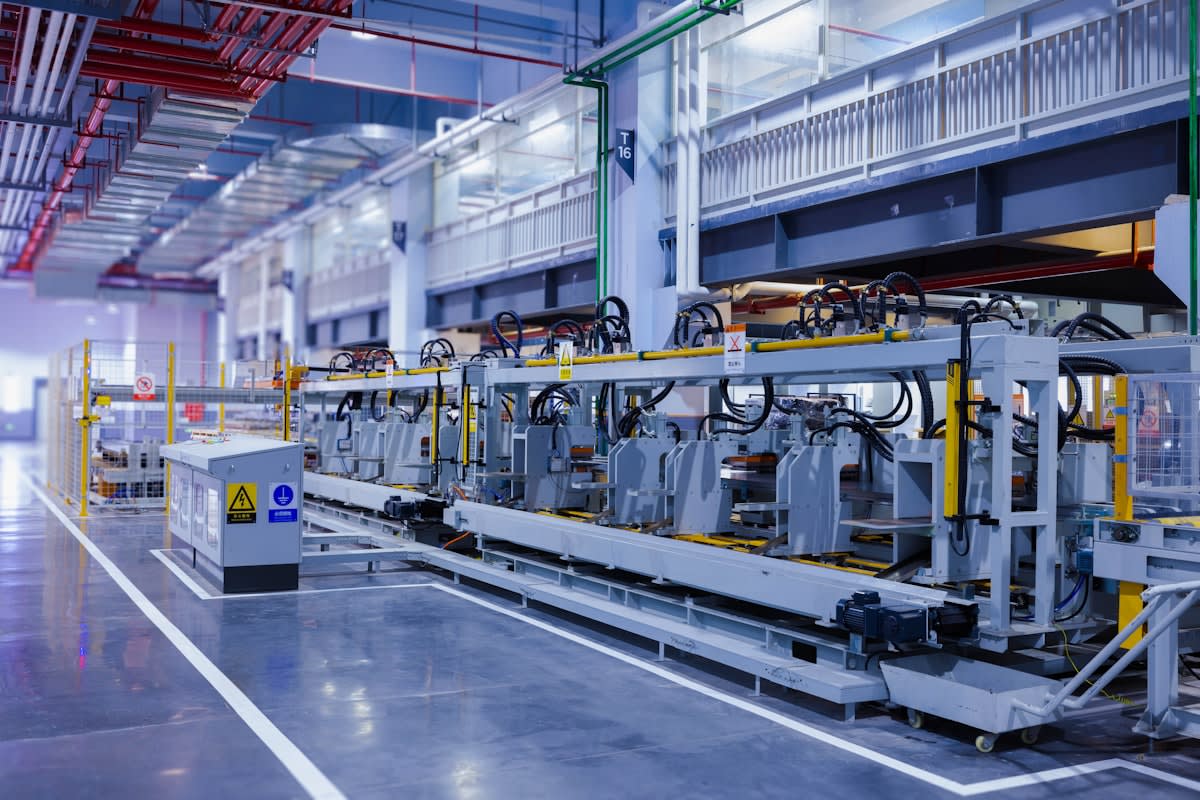
Domestic manufacturing is the anchor for this deployment. StarlinePS Enterprises and Celloraa Energy are establishing a 1.2 GW solar cell facility in Surat. This project represents a 160 Crore investment designed to meet Domestic Content Requirement (DCR) standards. Localized production eliminates the logistics lag that typically kills energy projects. India is no longer importing the solution; it is casting the hardware in its own foundries.
"Our investment in Celloraa Energy reflects our strong confidence in India's rapidly growing renewable energy manufacturing sector and Celloraa's long-term vision."— Shwet Koradiya, Director, StarlinePS Enterprise Ltd.
Second-order effects are now manifesting in the broader mobility ecosystem. VinFast's strategic approach demonstrates that the race for energy dominance is not won by the vehicle, but by the support structure. Charging, financing, and mobility ecosystems are now as critical as the batteries themselves. In Bengaluru, the grid is becoming the vehicle. The city is treating its energy distribution as a software-defined network where electrons are routed based on real-time demand signals.
Zinc Ion Market Expansion Projection (2026-2035)
Executive Insight
+18.4%
YTD Growth
Comparing current data to twelve months ago reveals a violent delta. Last year, storage was a passive backup for solar panels. Today, it is an active grid management tool used to manipulate demand curves. This shift was accelerated by the collapse of traditional net metering profitability. Homeowners who once sold power for retail rates are now being compensated for providing grid services. The financial incentive has moved from generation to stabilization.
The Regulatory Constraint
DCR compliance is the invisible wall. Without meeting Domestic Content Requirements, projects in the Surat-Bengaluru corridor face insurmountable regulatory delays and loss of subsidies.
Physical constraints remain the primary enemy. Heat dissipation in high-density urban environments can degrade battery efficiency by 20 percent. Taipei's recent struggles with firmware bugs in their storage arrays serve as a warning. A single synchronization error in a VPP can trigger a cascading failure. Bengaluru must solve the thermal problem before the scale of deployment exceeds the cooling capacity of the infrastructure.
Infrastructure is now the only metric that matters. The competitive battleground has moved from the cell chemistry to the ecosystem. Financing and aftersales service for these massive zinc ion arrays will determine the long-term viability of the grid. If the maintenance layer fails, the city is left with thousands of tons of inert metal. Pragmatic realism dictates that the hardware is only as good as the technician who can fix it at 3 AM.
Bengaluru's trajectory is a blueprint for other global hubs. Decentralization is the only way to handle the volatility of renewable inputs. Centralized power plants are too slow to react to the millisecond fluctuations of a solar-heavy grid. By distributing the storage, the city creates a biological-style resilience. The grid is no longer a pipe; it is a nervous system.