
AI Executive Summary
"This article analyzes the systemic migration of sovereign capital from U.S. Treasury debt toward physical energy infrastructure. It highlights how geopolitical fragmentation is driving a transition from paper-based reserves to tangible asset security."
The $29 trillion figure is a systemic alarm. Central banks are quietly exiting the U.S. debt trap to secure physical survival. This movement reflects a calculated loss of faith in the dollar's long-term viability.
"61% of central banks polled said that U.S. debt levels negatively impact the dollar's long-term position as a reserve asset."— Invesco Survey, June 29, 2026
Physical Assets Over Paper Promises
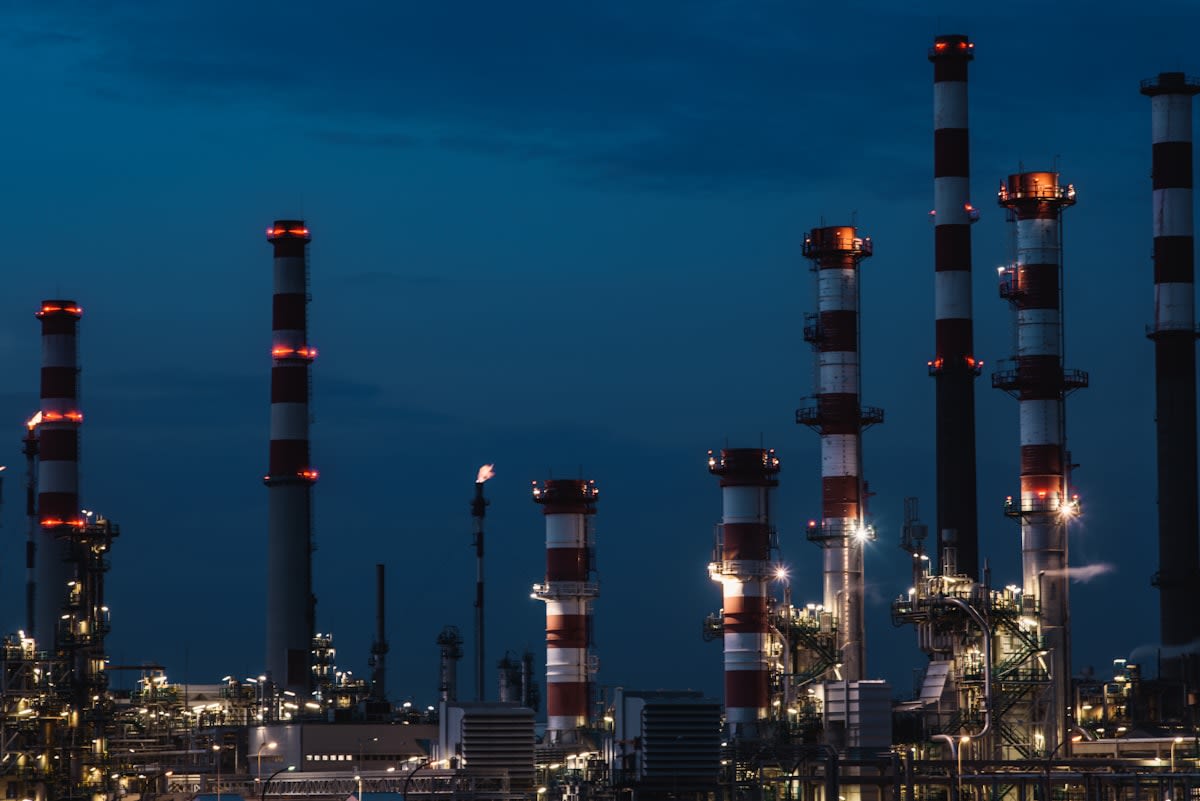
Infrastructure now comprises 9% of sovereign wealth fund assets as of 2026. Tangible power is the only currency that survives a debt collapse. Those holding energy controls hold the keys to the next era.
| Metric | 2022 Value | 2026 Value | Delta |
|---|---|---|---|
| Belief in Weaker Dollar Status | 12% | 29% | +17% |
| U.S. Debt Concerns (Central Banks) | 20% (2024) | 61% | +41% |
| Sovereign Fund Infrastructure Asset % | Unknown | 9% | N/A |
While the macro-players hedge, regional actors are colonizing new markets. Japan is diversifying through aggressive acquisitions. Umios paid Y11.4bn for a 51% stake in Malaysia's Pet World International on June 29, 2026. Such moves bypass the volatile dollar by embedding capital directly into Southeast Asian consumer growth.
The Infrastructure Rot
Washington manages its domestic waste like its debt—through optimistic denial. The NRC's Part 61 regulations were a regulatory dead end for Greater-Than-Class-C nuclear waste. Only now, in June 2026, is a pathway being charted for material that has been stranded at reactor sites for decades.
The Waste Paradox
The U.S. generates 292 million tons of trash annually. In Spokane, WA, waste-to-energy facilities incinerate this garbage to produce electricity, reflecting a desperate need for localized, circular energy systems.
This desperation extends from the soil to the stratosphere. NYK and the University of Osaka launched a joint R&D initiative on July 1, 2026, to build offshore recovery vessels for reusable rockets. Space is no longer a scientific playground; it is a logistical beachhead. Reusable hardware ensures that the cost of access does not bankrupt the ambition.

Sovereign Fund Priority: Energy Security
Executive Insight
+18.4%
YTD Growth
Southeast Asia stands as the primary beneficiary of this fragmentation. Reports suggest Corsia could unlock $8.5B for the region. Money is flowing where the growth is real, not where the debt is high.