
AI Executive Summary
"This article examines the intersection of risk monetization and legal liability, using the Empire State Building ascent as a case study. It provides strategic insights into how viral content creation is overriding traditional civil law and security paradigms."
The Architecture of Attention
A lock snaps. Two climbers ascend. One banner unfurls. This sequence of events represents a calculated gamble in the attention economy rather than a romantic gesture. Romance provides the narrative cover for high-risk content creation. Every single foot of that antenna was a data point for future engagement metrics.
New York treats its monuments as open symbols of capitalism. Contrast this with the sterile, biometric-locked corridors of a data center in Hsinchu. Security in Manhattan often relies on the assumption of social compliance. Once that trust vanishes, the 104th floor becomes a gateway for felony burglary. Physical barriers are useless against those who view legal penalties as marketing expenses.
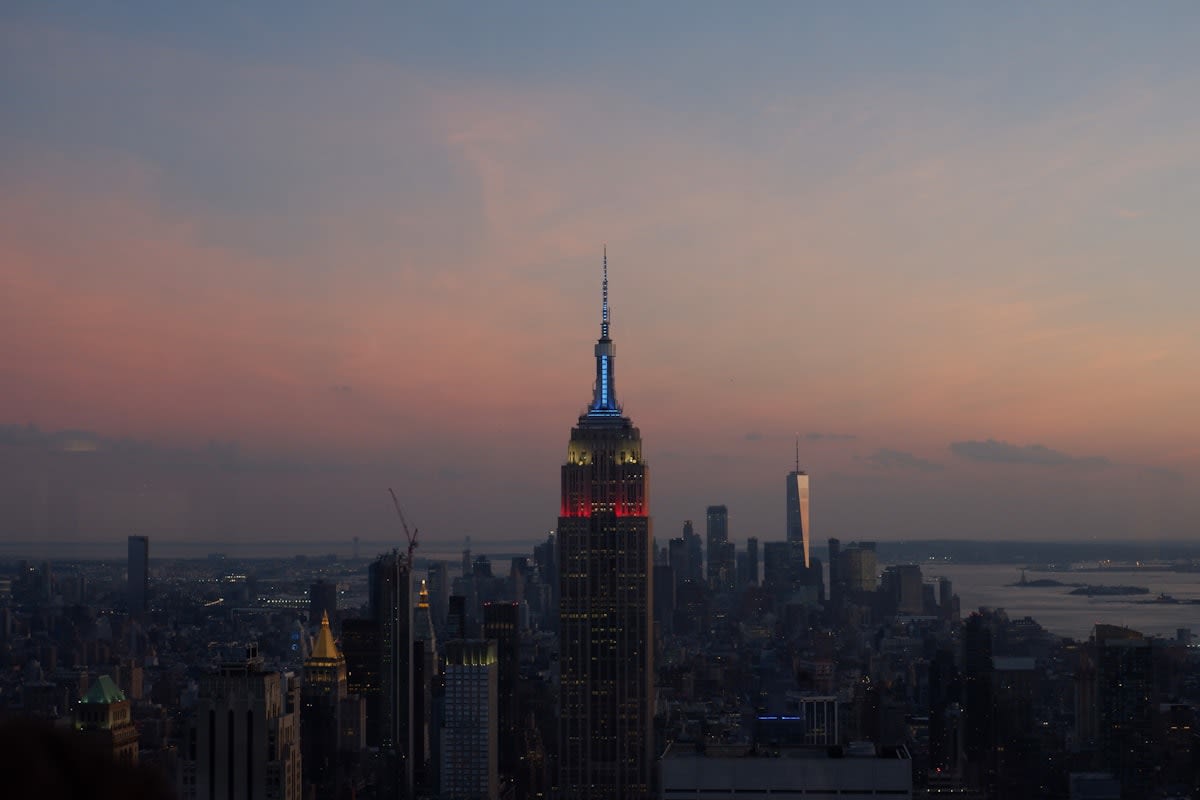
Security failures at the Empire State Building expose a dangerous gap. A single broken lock on the 104th floor allowed two people to reach the antenna. This vulnerability suggests that prestige often masks poor maintenance. High-profile landmarks frequently rely on the fame of the building to deter intruders. When the intruder is a professional climber, prestige is no barrier.
"We believe in love."— Ivan Beerkus
Such a statement is the perfect soundbite for a courtroom exit. It frames a criminal act as a spiritual quest. Beerkus understands that the public prefers the narrative of the star-crossed lover over the reality of the trespasser. This rhetoric is a shield against the banal reality of felony charges. Love is the most effective camouflage for reckless behavior.
Netflix released Skywalkers: A Love Story in 2024. Such documentaries provide a blueprint for visibility. Fame creates a feedback loop where the risk must escalate to maintain the audience's interest. Ivan Beerkus and Angela Nikolau are not merely lovers. They are brand managers optimizing for viral impact.
| Metric | Traditional Proposal | Content-Driven Stunt |
|---|---|---|
| Primary Goal | Relationship Commitment | Algorithm Optimization |
| Risk Profile | Low / Social Anxiety | High / Criminal Prosecution |
| Monetization | Negative (Expense) | Positive (Ad Revenue/Streaming) |
| Access Method | Paid Ticket/Reservation | Forced Entry/Burglary |
| Legal Status | Lawful | Felony Reckless Endangerment |
The delta between these two approaches is measured in legal liability. While one party buys a ring, the other buys a legal defense fund. This is the new currency of the digital age. Risk is no longer a deterrent; it is a feature of the product.
Prosecutors filed felony reckless endangerment and burglary charges on July 2, 2026. These legal labels strip the glamour from the act. A broken lock on a security door transforms a proposal into a crime scene. Law enforcement views the ascent as a threat to public safety. The court cares little for banners about peace when the risk of a fall requires a massive emergency response.
Empire State Building owners suggested an orthodox route. Their statement pointed toward the Observation Deck as the practical choice. This corporate response is a subtle nudge toward monetization. They prefer proposals that happen within the paying perimeter. Love is welcome, provided it generates a ticket sale.
The corporate statement regarding the Observation Deck reveals the true nature of the conflict. Management wants the romance, but they want it billed. A paid ticket ensures the proposal is safe and profitable. By calling the deck the practical way, the ESB is asserting its right to monetize emotion. Love is a product to be sold, not a reason to break a lock.
A banner promoting love and peace flew from the spire. Such contradictions are the hallmark of the content creator. Peace is a convenient aesthetic for an act that involves breaking and entering. The actual intent is not diplomatic; it is visual. Contrast this with the genuine diplomatic efforts in Geneva, where peace is negotiated in rooms, not unfurled from antennas.
Rooftopping has become a professionalized pursuit. Digital platforms reward the most extreme imagery with higher visibility. Those who scale buildings do not see architecture; they see backgrounds for their personal brand. This mindset ignores the safety of ground crews and the integrity of private property. Lawsuits and handcuffs are simply the taxes paid for global reach.
Incentives drive behavior. The reward for a standard proposal is a relationship. Contrast that with the reward for a skyscraper climb: global notoriety. When the payoff is a million views, a felony charge is a manageable overhead cost. This logic turns city skylines into playgrounds for the digitally obsessed.
Felony reckless endangerment is a severe charge. Prosecutors are sending a message to the rooftop community. The legal system cannot allow the city to become a stunt park for influencers. Burglary charges further emphasize that the act was a crime of entry. These penalties serve as a deterrent for those who think the camera protects them from the law.
Liability is the only remaining constant. Every climb increases the chance of a fatal error or a prison sentence. The attention economy demands more, but the physical world has limits. Ivan Beerkus and Angela Nikolau learned that the law does not recognize a love story as a legal defense. New York is a city of dreams, but its jails are very real.