AI Executive Summary
"This article analyzes the critical mismatch between AI's exponential power needs and aging electrical grids, highlighting the shift toward energy scavenging. It provides strategic insight into how resource nationalism and governance failures create systemic economic volatility."
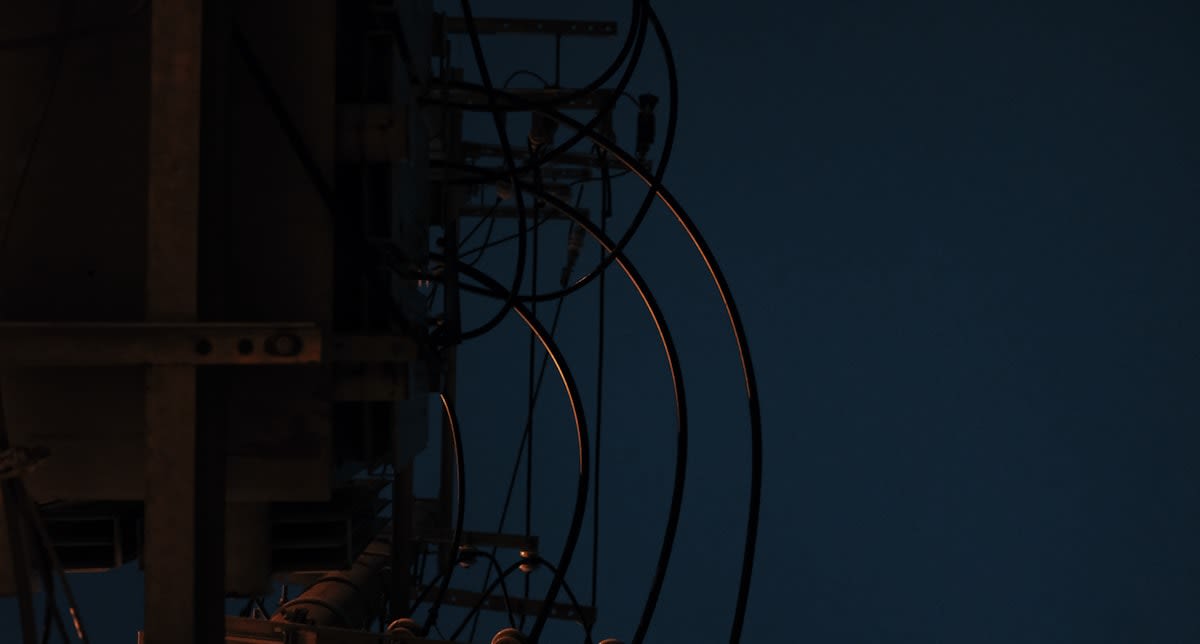
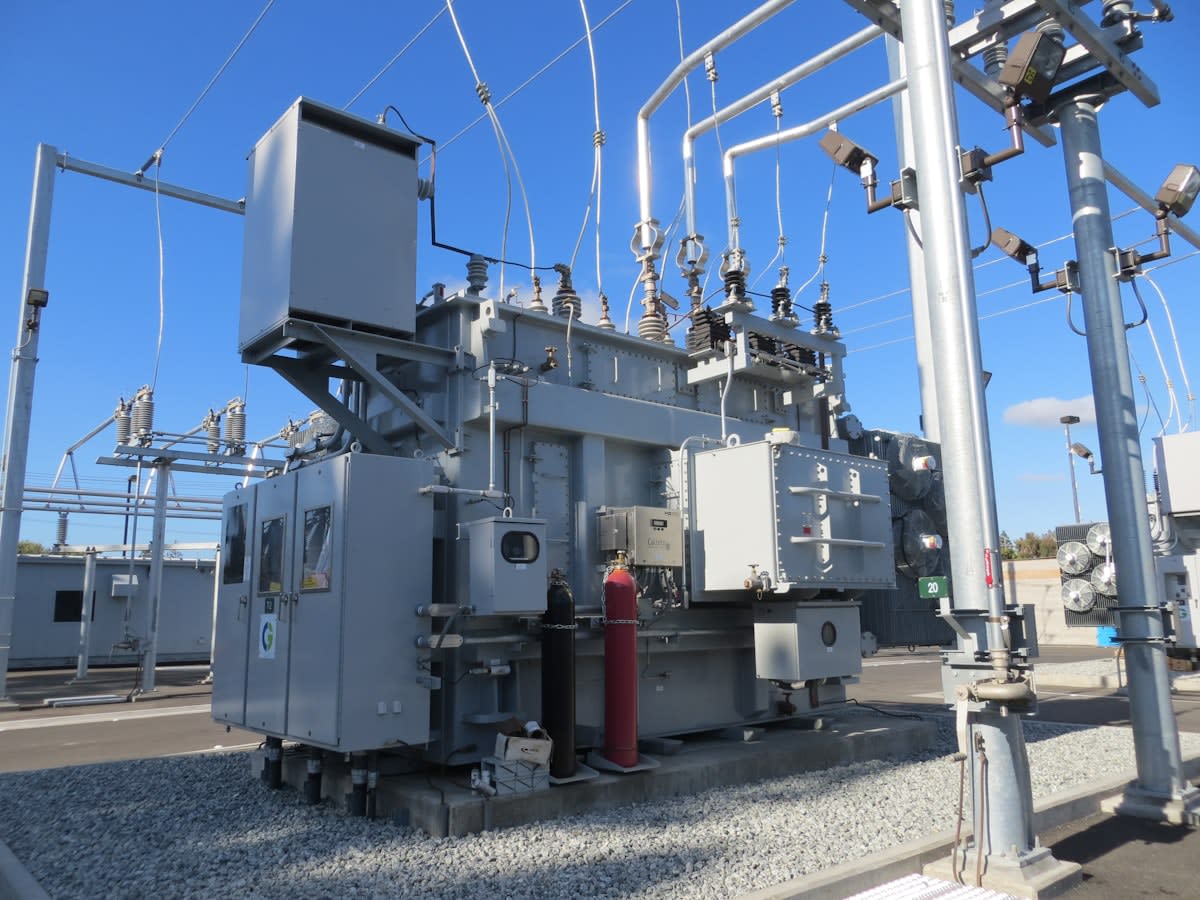
AI demands power. The current grid is a relic. Twenty-first-century digital economies are running on twentieth-century copper. This mismatch is no longer a technical glitch but a defining infrastructure crisis.
Electricity must reach the right place at the right time. Predictable demand growth has been replaced by sudden, concentrated spikes from data centers. Natural gas producers are the only ones winning this chaos, finding desperate new demand from power generation to keep the servers humming.
The Garbage Economy
Trash is the new fuel. The United States generates 292 million tons of waste annually. In Spokane, Washington, this refuse is incinerated to produce electricity, turning a liability into a baseline power source.
Asia Pacific is playing a higher-stakes game. The B40 biodiesel mandate represents an aggressive attempt to slash fuel imports and keep energy value within domestic borders. Success here depends on feedstock management, not just policy goals.
The Security Incentive
The pursuit of bioenergy is less about the environment and more about energy security. Reducing exposure to imported fuels is the only metric that matters to sovereign states.
Institutional desperation is also surfacing on campuses. Universities are now scavenging for calories in wastewater heat and open-loop geothermal systems. Even the waste heat from data centers is being rerouted to warm nearby buildings through district energy systems.
| Strategy | Primary Feedstock | Scale/Metric | Hidden Incentive |
|---|---|---|---|
| Waste-to-Energy | Municipal Trash | 292M Tons (US) | Landfill avoidance |
| Bioenergy Mandates | Agricultural Waste | B40 Mandate (Asia Pac) | Import independence |
| District Energy | Data Center Heat | Campus-level | Operational cost cutting |
| Resource Capture | Natural Resources | Jakarta Composite -35% | State bureaucracy control |
While some scrape for heat, others lose their grip on capital. Indonesia is a case study in systemic collapse. The Jakarta Composite has plummeted nearly 35% year-to-date.
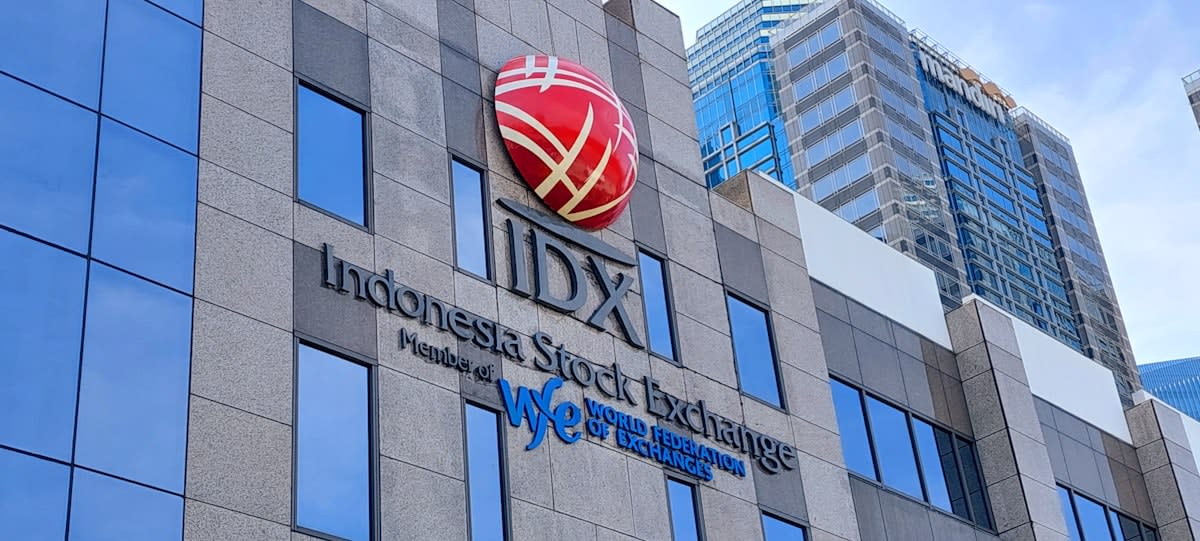
Governance is the ultimate energy leak. A former minister recently received a 10-year prison sentence in a high-profile corruption case. MSCI is now threatening to downgrade the country to frontier market status, signaling a lack of trust in stock-market governance.
Prabowo Subianto's fiscal policies are creating an impression of state overreach. Investors fear the government is simply adding layers of bureaucracy to seize control of natural resources. This is not a strategy; it is a resource grab.
The Circularity Mirage
Corporate alliances provide a convenient veneer of progress. The World Travel & Tourism Council and UNEP have signed a Memorandum of Understanding to accelerate sustainable travel. They claim a focus on circular economy solutions and plastic pollution.
Real action is usually quieter and uglier. It looks like the biomethane and renewable gas scaling currently happening across Asia Pacific. Those who survive the energy crunch will be the ones who master the feedstock, not those who sign MoUs.
"The mismatch between internet-speed AI and twentieth-century electricity delivery is becoming one of the defining infrastructure challenges of the decade."— Oil & Gas 360