
AI Executive Summary
"This article examines the critical intersection of raw mineral access and industrial-scale 3D printing. It argues that true material sovereignty is achieved by integrating local refining capacities with advanced manufacturing technologies like WAAM to eliminate foreign supply chain dependencies."
Hardware Prerequisites
Metal doesn't lie. Software can simulate a part, but the physics of additive manufacturing demand real-world thermal control. This is the field-tested reality of industrialization.
- Direct access to polymetallic deposits (e.g., nickel, copper, and rare earth elements found in Kaduna State).
- Regulatory grounding from bodies like the Nigerian Upstream Petroleum Regulatory Commission (NUPRC).
- Institutional partnerships for military-grade output, such as the Arridex joint venture with DICON.
- Industrial-scale power and cooling infrastructure capable of supporting multi-technology facilities.

Deployment Sequence
Planning often fails because it ignores the dirt. You cannot print high-grade components without a secure supply of refined ore.
- Secure the raw mineral chain: Identify deposits like the pegmatite region of Gidan Waya to avoid reliance on imported powders.
- Establish refining capacity: Build processing plants locally, similar to the $600 million Jiuling Lithium facility on the Kaduna-Niger border.
- Obtain pioneer status: Secure investment incentives through agencies like the Nigerian Investment Promotion Commission (NIPC).
- Scale to multi-technology hubs: Move from single-machine setups to an Omnifactory model that services oil, gas, maritime, and aerospace.
- Specialize for sovereignty: Implement Wire Arc Additive Manufacturing (WAAM) for large-scale naval components to eliminate foreign supplier lag, as seen in Chile's USM initiative.
Logistics define the win. Localized production turns a three-month wait for a foreign part into a three-day print job.
| Investor/Entity | Investment/Scale | Focus Area |
|---|---|---|
| Jiuling Lithium | $600 Million | Processing Facility (Kaduna-Niger) |
| Canmax Technologies | $200 Million | Lithium Processing (Nasarawa) |
| Arridex | 20 Years Capability | Multi-Technology Omnifactory (Lagos) |
| SON (Imo) | 14 Companies | MANCAP Certification |
"Omnifactory’s commissioning is the point at which two decades of accumulated capability become infrastructure."— Governor Babajide Sanwo-Olu
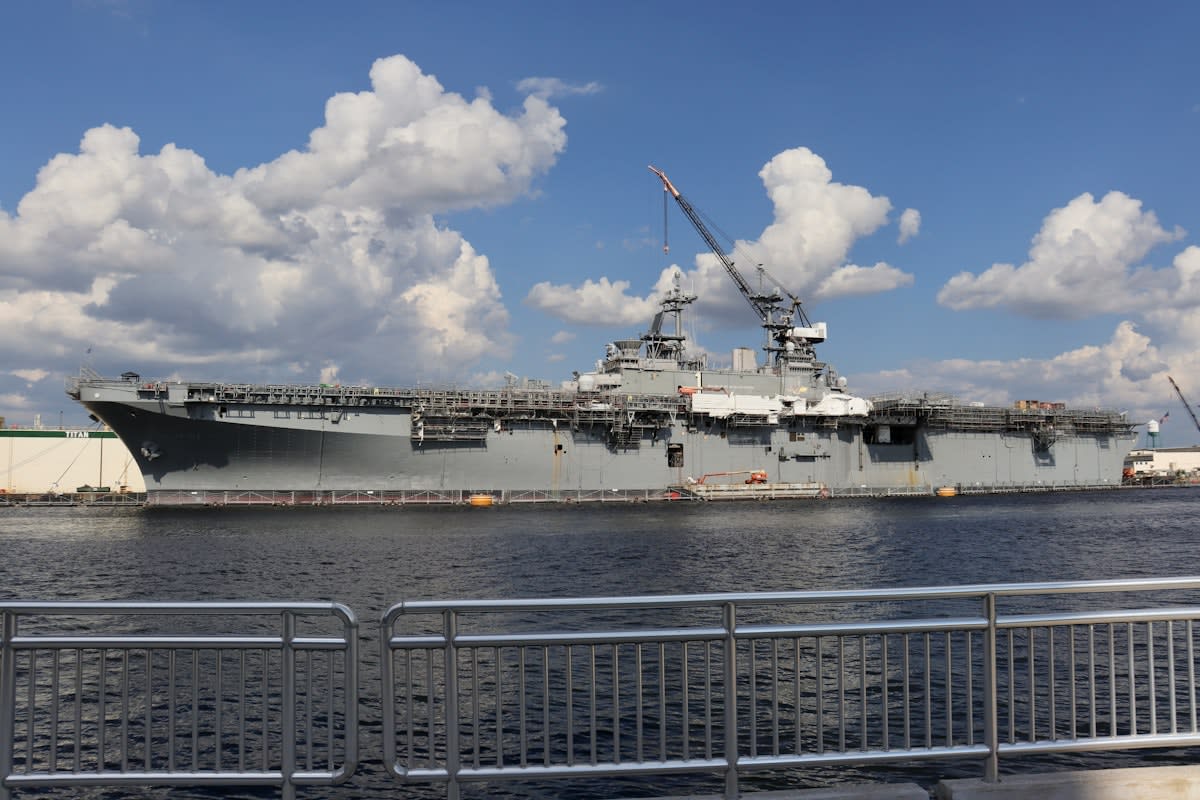
Lagos is building a multi-sector hub. Arridex is integrating oil, gas, and defence into one facility. Chile takes a narrower, sharper path. Their WAAM ecosystem targets naval sovereignty specifically to stop waiting for foreign suppliers.
Operational Friction
Quality is the final wall. Certification isn't a formality; it is the difference between a part that works and a part that fails under pressure.
The OEM Monopoly
In the medical sector, the hardware game is a closed loop. EOS, GE Additive, SLM Solutions, Renishaw, 3D Systems, and Stratasys dominate the equipment landscape due to strict certification needs.
Local manufacturers must prove their mettle. The Standards Organisation of Nigeria (SON) uses the Mandatory Conformity Assessment Programme (MANCAP) to ensure goods meet industrial standards before they hit the market.
Common Pitfalls
- Exporting raw ore: Shipping unrefined minerals from Kaduna instead of processing them locally destroys the value chain.
- Ignoring certification: Producing parts without MANCAP or NUPRC qualification makes them useless for industrial or oil and gas deployment.
- Software obsession: Investing in CAD tools while neglecting the physics of metal powder and wire feed.
- Fragmented scaling: Building isolated machines instead of an integrated 'Omnifactory' ecosystem.