AI Executive Summary
"This article provides a strategic blueprint for deploying embodied AI in harsh industrial environments, emphasizing the primacy of physical hardware over software. It highlights the critical need for ruggedization and local autonomy to ensure operational resilience in emerging tech hubs."
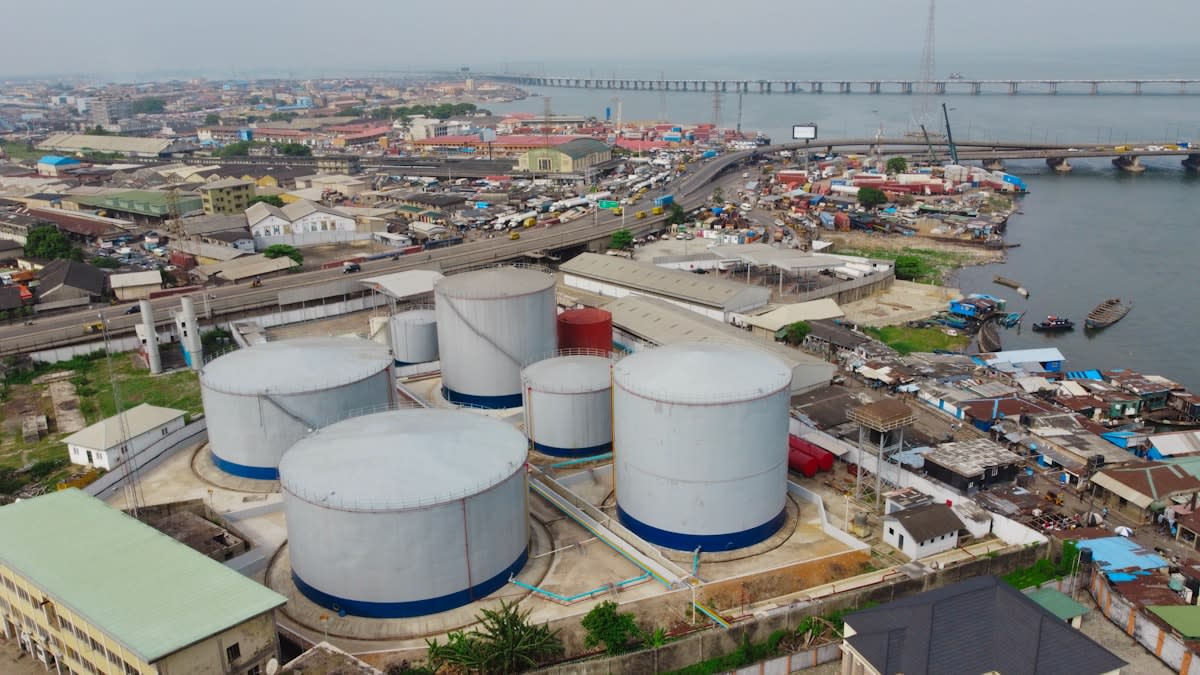
Dust kills chips. In the hardware hubs of Lagos, the environment is a predator. High-performance silicon from Avalue or Intel Panther Lake processors will melt if you treat the shop floor like a clean room in Hsinchu. You cannot simply drop a server into a humid warehouse and expect 99.9% uptime. Physics does not care about your cloud-native architecture.
Failure is expensive. When a depth camera fails in a Spartanburg plant, a technician replaces it in minutes. Local hubs in Nigeria face different stakes where a blown capacitor means waiting weeks for a customs clearance. This disparity makes ruggedization a mandatory investment, not a luxury. Relying on standard consumer-grade hardware is a fast track to a dead project.
Hardware Prerequisites
Equipment must be selected for endurance. Avalue Industrial PCs provide the necessary energy-efficient platforms, but they require specific mounting to avoid vibration. Intel Core Ultra processors handle the load, yet they generate heat that requires aggressive dissipation. You need hardware that can survive 40-degree Celsius ambient temperatures without throttling. Cheap casings are just ovens for your AI models.
- Avalue Industrial PCs (Intel Panther Lake or Core Ultra platforms)
- RealSense D585 Pro AI-native depth cameras for spatial perception
- IP65-rated enclosures to block particulate ingress
- Industrial-grade SSDs with high TBW (Total Bytes Written) ratings
- Dedicated power conditioning units to filter voltage spikes

Connectivity is a gamble. Google Cloud is building a Digital Exchange Port in South Africa and investing US$1 billion across the continent, but that does not solve the last-mile problem in a Lagos hub. Your AI must run locally. Latency spikes will crash a real-time robotics loop. Local inference is the only way to ensure the machine does not freeze while waiting for a packet from a distant data center.
Implementation Steps
- Audit the power grid. Install heavy-duty surge protectors and UPS systems because voltage drops will corrupt your model weights during a write cycle.
- Deploy perception hardware. Mount RealSense D585 Pro cameras using dampened brackets to prevent image blur from industrial machinery vibrations.
- Establish a local data pipeline. Implement a system similar to the QUANXTA Zero Series to collect and process training data on-site before attempting any cloud upload.
- Hardened software deployment. Load your foundation models onto the edge device and strip away all non-essential background processes to maximize thermal headroom.
- Stress test the thermal envelope. Run the AI at full load for 72 hours in a non-air-conditioned environment to identify the exact point of thermal throttling.
Data collection is the hardest part. X Square Robot achieved a valuation over RMB 20 billion by focusing on a full-stack approach to embodied AI. They understand that data infrastructure is as important as the model itself. You cannot train a general-purpose robot using synthetic data from a simulator. Real-world noise, lighting shifts, and physical obstructions in a Lagos hub provide the only training data that actually matters.
"As autonomy moves beyond controlled environments, ruggedized design is becoming a prerequisite for reliable robotic operations."— The Robot Report
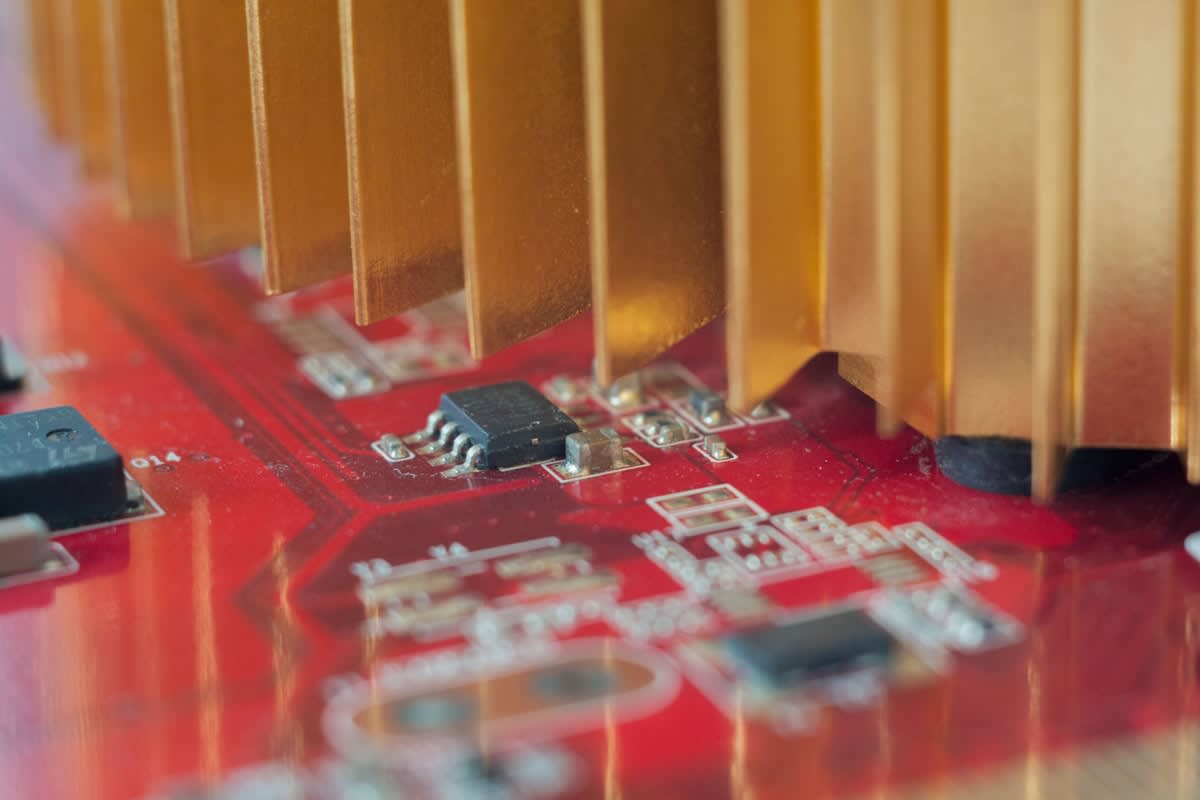
Thermal management is not about fans. Fans suck in dust and spray it onto hot components, creating a conductive paste that shorts the board. Heat pipes and oversized aluminum sinks are the only reliable solutions. Every degree you shave off the operating temperature extends the life of the silicon. Neglecting this leads to premature hardware death.
Powering the fleet is a hidden nightmare. Many engineers overlook the charging system until the robots stop moving. WiBotic and other rugged power providers highlight that charging ports are primary failure points in outdoor or semi-structured environments. A single grain of sand in a charging pin can stop a multi-million dollar deployment. Physical contact points are the enemy of reliability.
The Valuation Trap
Avoid the trap of thinking that a high-valuation company's approach works everywhere. X Square Robot's success with the WALL family of models depends on massive data infrastructure that must be physically built and maintained in the field.
Infrastructure investments provide a safety net. Google's US$37 million contribution to research and talent via the AICC in Accra helps build the workforce. However, the workforce must be trained in hardware maintenance, not just Python. Knowing how to solder a connection or replace a thermal pad is more valuable than knowing how to tune a hyperparameter when the machine is smoking.
Common Pitfalls
Over-reliance on cloud connectivity is the most common error. Developers assume the internet is a constant. In reality, connectivity drops are frequent and unpredictable. Any AI system that requires a heartbeat from a remote server to function will fail. Edge autonomy must be absolute.
Ignoring the physics of movement leads to disaster. Figure 03 robots might work in a Spartanburg plant, but they face different challenges in a non-standardized hub. Flooring that is uneven or slippery will destroy a humanoid's balance. You must map the physical terrain before you deploy the AI.
Underestimating the cost of replacement parts is a fatal mistake. Shipping a single Avalue motherboard can take weeks. Local stockpiling of critical spares is the only way to prevent months of downtime. Lean inventory is a liability in the hardware world.
| Component | Standard Grade Failure | Industrial Grade Outcome |
|---|---|---|
| CPU Cooling | Fan failure due to dust clog | Passive heat sink stability |
| Power Input | Voltage spike fries motherboard | Conditioned power protects silicon |
| Perception | Lens fogging/scratching | Ruggedized housing protection |
| Storage | Drive failure from heat/vibration | Industrial SSD endurance |
Final success depends on the willingness to get dirty. Software engineers who stay in the office will design systems that fail in the field. The real work happens when you are elbow-deep in a server rack during a power outage. Only then do you understand why ruggedization is non-negotiable.