AI Executive Summary
"This article analyzes the tension between the strategic drive for mineral independence and the systemic decay of industrial infrastructure. It highlights the logistical risks and environmental externalities that threaten the viability of a domestic 'mine-to-magnet' supply chain."
The Rare Earth Gamble
West Virginia is the new frontier. GreenMet is betting $150 million on coal tailings in Rupert to recover rare earth elements. This isn't an environmentalist's dream; it is a cold calculation to break a Chinese monopoly.
Private capital is flooding the zone. Ten billion dollars in commitments suggest a frenzy for domestic security. Such massive sums often mask the grueling technical difficulty of extracting usable minerals from industrial waste.
| Project | Location | Investment/Scale | Primary Objective |
|---|---|---|---|
| GreenMet Hub | West Virginia, USA | $150M Hub / $10B Commitments | REE recovery from coal tailings |
| MP Materials | California, USA | Sole active US mine | Mine-to-magnet supply chain |
| Australian Rare Earths | SA/Victoria, Australia | 30-tonne pilot | Mixed Rare Earth Oxide production |
Strategic dependencies are merely being redistributed. Offtake agreements now link Rupert to Greenland, Cameroon, and New Brunswick. Reliance on a single hegemon is being replaced by a fragile web of international contracts.
The Infrastructure Gap
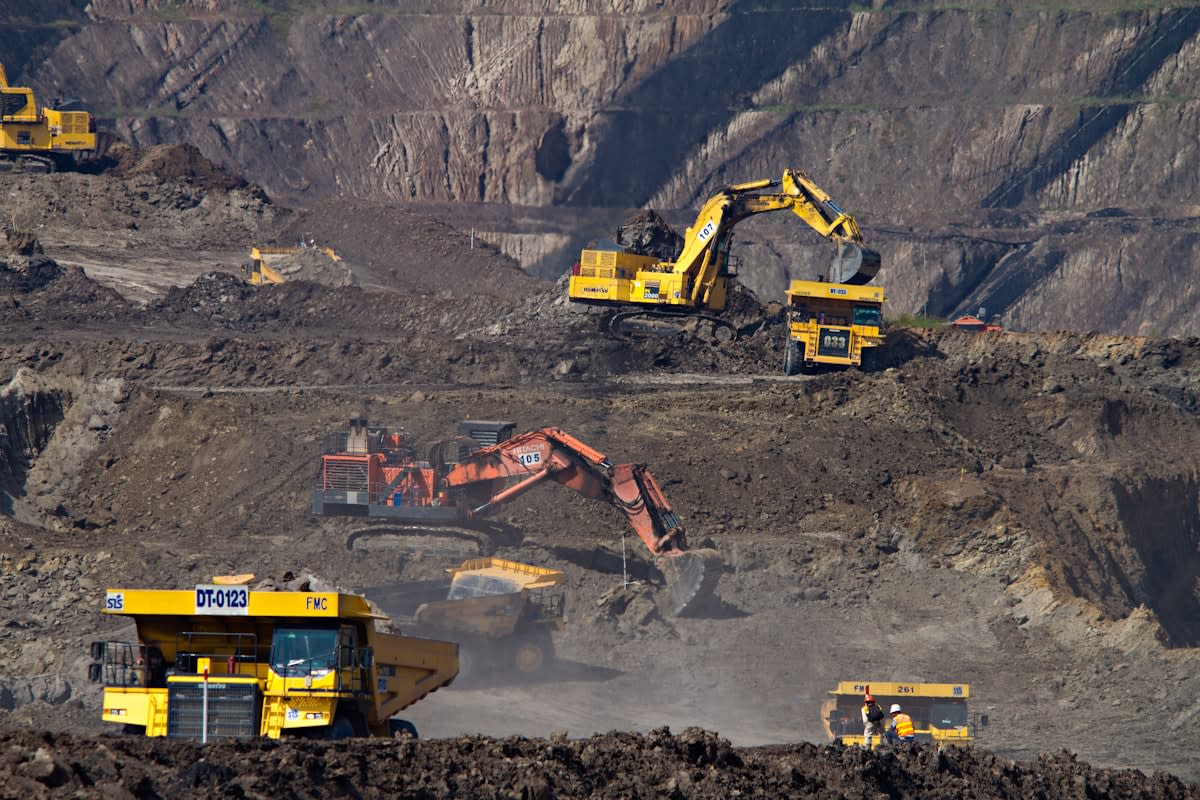
Rio de Janeiro offers a cautionary tale. Only 47% of the city's wastewater is effectively treated before hitting the coast. This failure has a biological cost: sertraline, a common antidepressant, is now appearing in the brain tissue of hammerhead sharks.
Chemical leakage proves that industrial processing is only as good as the pipes. Neglect in Brazil mirrors the inherent fragility of the very systems the West seeks to build for its critical minerals.
The Externalities Trap
The paradox of critical mineral sovereignty is that the processing required to secure these materials often produces the same toxic externalities seen in Rio's wastewater crisis.
Tribal lands in the US face a similar decay. The EPA is releasing $227 million for 2026 to fix drinking water and wastewater infrastructure. PFAS and lead contamination remain the primary enemies in these neglected zones.
The Mine-to-Magnet Mirage
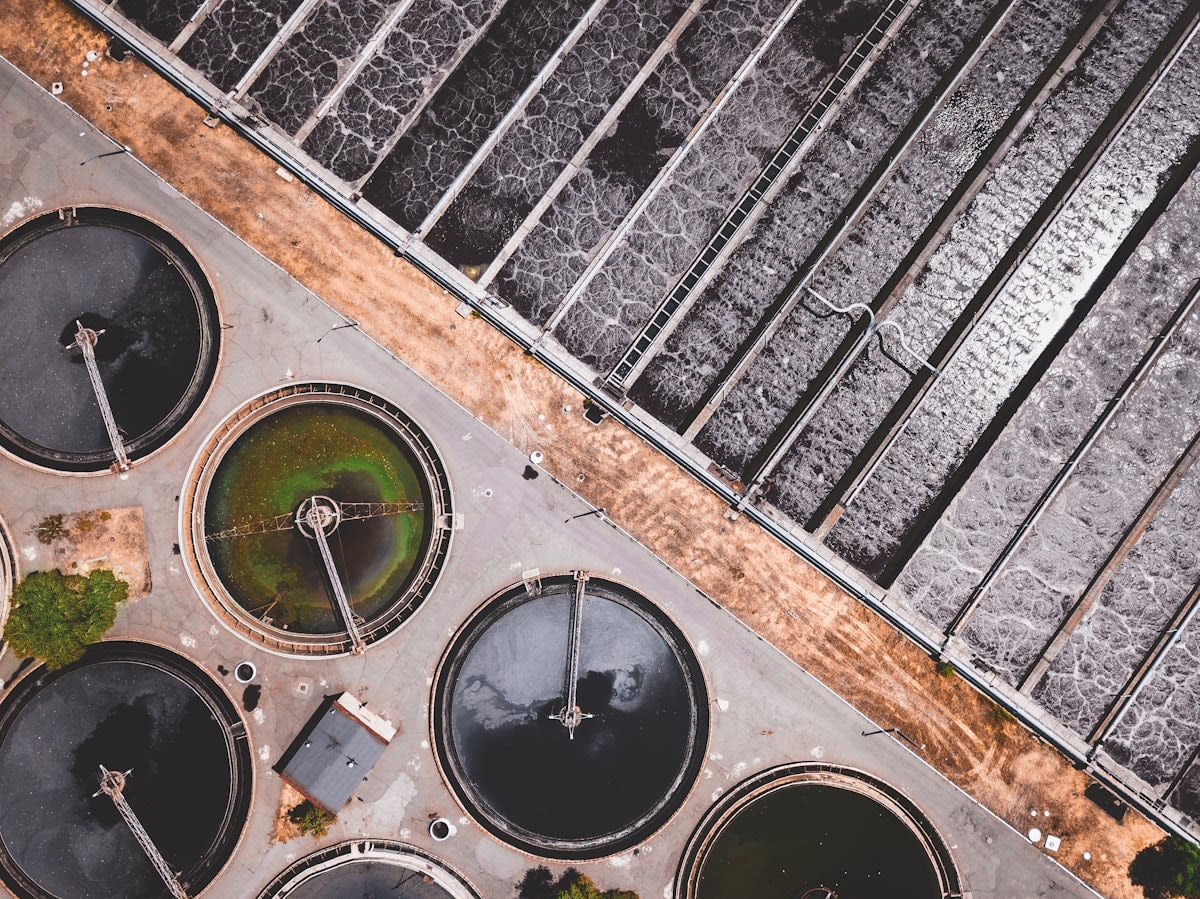
MP Materials holds the Mountain Pass advantage. It operates the only active rare-earth mine in the United States. Government deals provide a safety net that private firms simply cannot replicate.
Australian Rare Earths is taking a leaner approach. Using the ANSTO facility in Sydney allows them to bypass the cost of building a dedicated pilot plant. Thirty tonnes of ore are currently being processed to produce mixed rare earth oxide.
"Access to the ANSTO facility would allow the company to progress Koppamurra without the cost and time involved in building its own pilot plant."— Travis Beinke, Managing Director of Australian Rare Earths
Precision in execution is the only reward. Those who rely on government subsidies or shared facilities may survive, but the systemic failure of global wastewater and mining infrastructure suggests the cost of failure will be astronomical.