
AI Executive Summary
"This article analyzes the strategic shift from refining to raw material acquisition in the battery industry. It highlights the critical intersection of mineral sovereignty, autonomous infrastructure, and the pivot toward grid-scale energy storage to meet AI data center demands."
The Extraction Crisis
Mining is the bottleneck. Jiang Li of CATL confirmed this in July 2026. Processing no longer restricts the flow of materials. Raw mineral security now dictates production capacity.
Strategic Move
CATL is establishing a new mining unit and has appointed Chen Jinghe, founder of China's largest metals miner, as an adviser to bypass refining-centric supply chains.
Resource scarcity is not just a mining problem; it is reshaping where factories are built.
Industrial Re-Alignment in Ohio
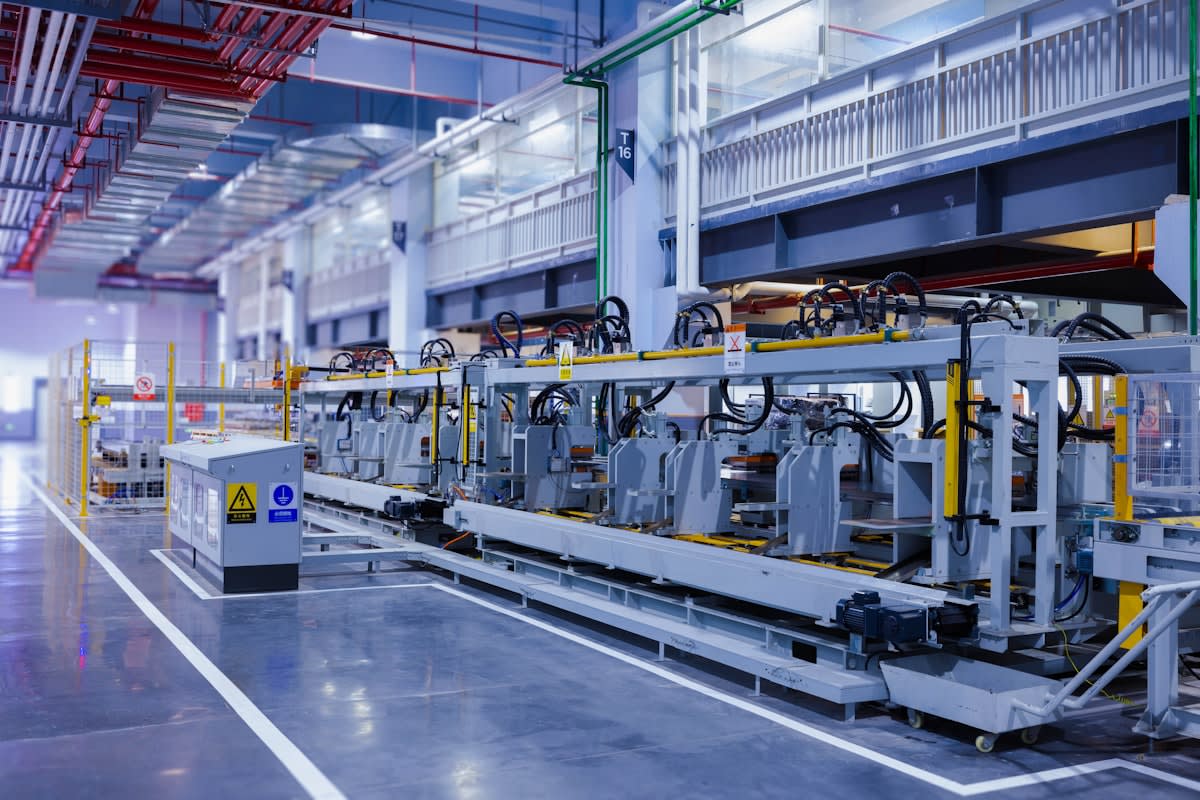
Ohio is seeing a production adjustment. L-H Battery Co. began mass producing ESS cells on July 2, 2026. EV regulations in the US forced this move. Energy storage markets now offer stronger growth prospects than passenger cars.
Infrastructure needs are expanding from the grid to the coastline.
Maritime Energy Logistics
Sea routes are electrifying. AYK Energy is supplying OrionAN batteries to Grimaldi Group's nine RoPax vessels. These 2073kWh units will serve the Mediterranean and Baltic seas. Fuel efficiency is the only priority for these fleet renewals.
| Sector | Previous Focus | Current Driver (July 2026) |
|---|---|---|
| Battery Mfg | Refining Efficiency | Raw Mine Access |
| US Production | Passenger EVs | Grid-Scale ESS |
| Maritime | Multi-fuel Engines | 2073kWh Battery Integration |
Physical deployment of these systems requires a new class of labor.
Autonomous Infrastructure Scaling
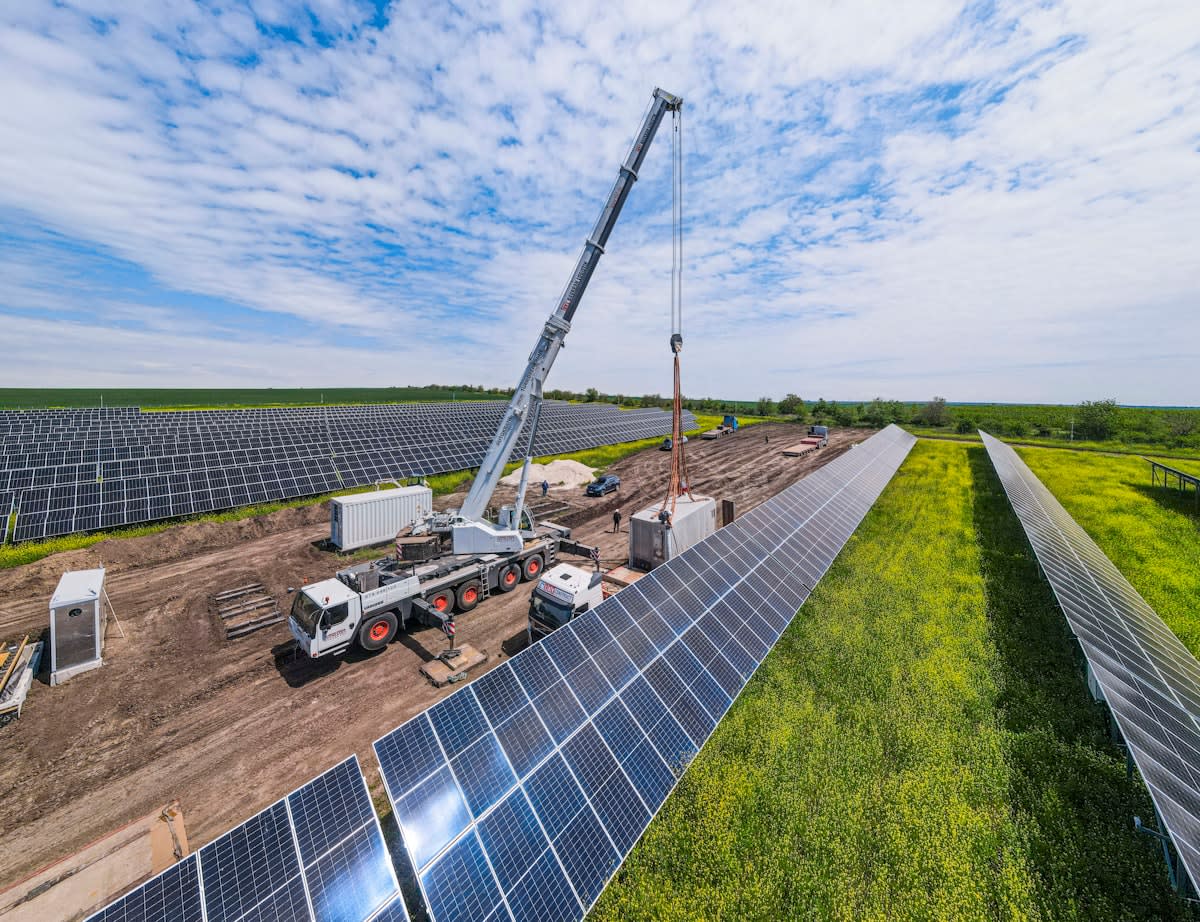
Construction is going autonomous. Blattner awarded Built Robotics a $75 million contract this month. Data center growth is driving record power demand. Human labor cannot keep pace with the scale of utility-scale solar and storage.
- Blattner has installed over 20% of America's utility-scale wind, solar, and storage capacity.
- AI-driven robots are now scaling autonomous construction across nationwide projects.
- Data center expansion is the primary catalyst for current energy storage surges.
The Saline Solution
Saline water holds the key. Researchers at the University of Chicago are using electric currents to filter lithium. Lithium cobalt oxide creates the necessary conduits for ion transport. Chemical mimicry between sodium and lithium remains the primary physical hurdle.
"If the price of lithium goes up, then we can make more sodium-ion batteries."— Jiang Li, Vice President of CATL