
AI Executive Summary
"This article analyzes the strategic shift from mineral-dependent battery strategies to molecular engineering, highlighting the devaluation of nickel reserves. It underscores the geopolitical pivot toward energy independence through diversified chemistries and domestic resource recovery."
Chemistry Reorientation
Lithium-air is here. Air Energy has developed a solution that utilizes oxygen to slash weight and boost energy density far beyond standard lithium-ion. This approach targets the electric passenger car market and long-haul trucks specifically. High-density cells are the only viable path to larger electric aircraft. Current physics of nickel-based cells are simply too heavy for the stratosphere. Such breakthroughs render the pursuit of high-nickel cathodes a legacy ambition.
Jakarta bets on the permanence of nickel-rich cathodes. US startups are removing the metal from the equation entirely. A firmware bug in Taipei might delay a shipment, but a chemistry change in Illinois deletes an entire market. Reliance on a single mineral creates a strategic blind spot for resource-heavy nations. The assumption that nickel is indispensable is a dangerous gamble. Market dominance is now a matter of molecular engineering rather than geological luck.
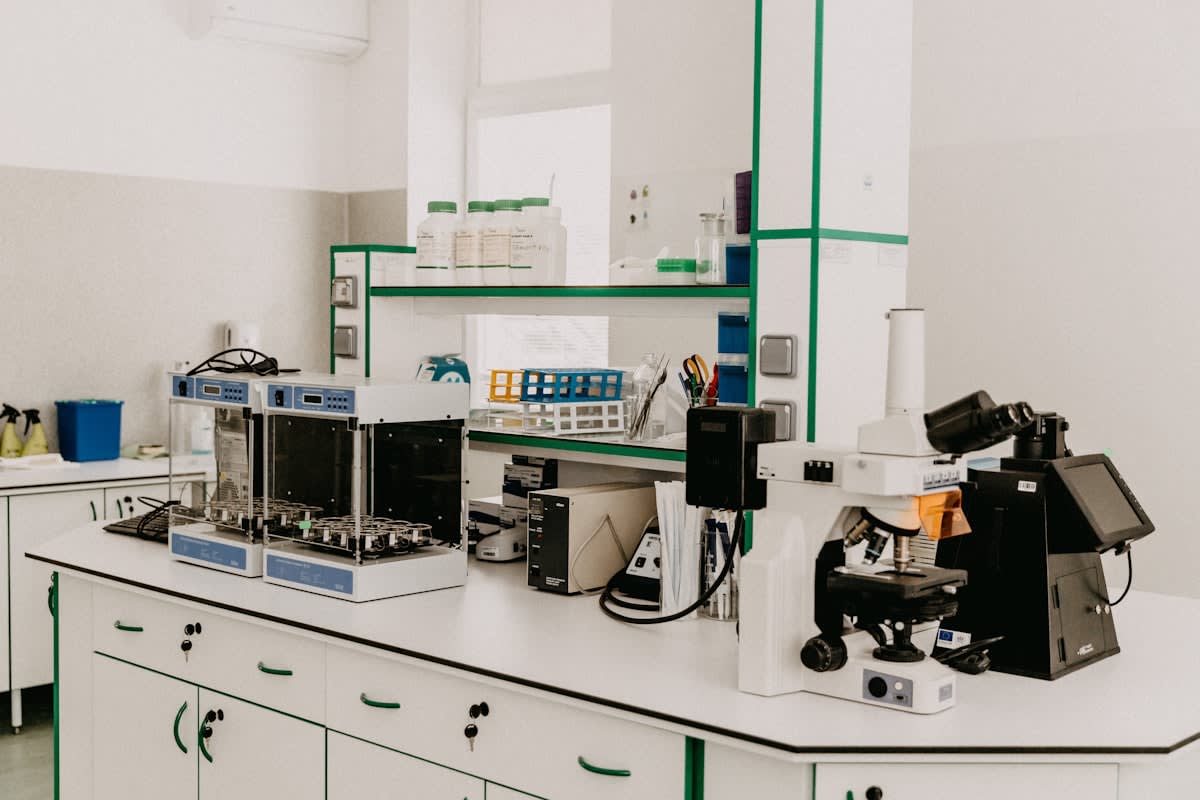
CATL identifies mining as the primary hurdle in current production. Jiang Li, vice president of the company, explicitly stated that processing is not the bottleneck. Their current strategy involves establishing a new mining unit to secure raw materials. However, the company is simultaneously hedging its bets. They are aggressively developing sodium-ion batteries to counter lithium price spikes. This dual-track approach ensures they are not tethered to any single volatile commodity.
"If the price of lithium goes up, then we can make more sodium-ion batteries."— Jiang Li, Vice President of CATL
Sodium-ion removes the need for expensive cobalt and nickel. Such alternatives make the vast reserves of Indonesia a liability instead of a leverage point. Investors now weigh the cost of extraction against the cost of innovation. When a cheaper, more abundant element like sodium can perform the task, the premium for nickel vanishes. This transition is not theoretical; it is a corporate insurance policy against resource nationalism.
ESS Diversion
Ohio is now the center of a strategic realignment. LG Energy Solution and Honda have begun mass production of energy storage system (ESS) cells in Jeffersonville. This facility was originally designed to manufacture battery cells for electric vehicles. Regulatory changes in the US environment forced a change in direction. The company now focuses on the strong growth prospects of the energy storage market instead. Grid-scale storage has different requirements than a high-performance vehicle.
Strategic Realignment
The migration from EV-centric production to ESS-centric production in Ohio signals a broader industry trend: prioritizing stability and cost over extreme energy density.
Grid storage does not require the extreme energy density of a long-haul truck. Consequently, the demand for high-nickel chemistry drops in the ESS sector. This movement reflects a broader trend of decoupling high-performance needs from bulk storage needs. While a brownout in Kinshasa highlights the need for storage, the solution does not necessarily require Indonesian nickel. Cheap, stable chemistries are the priority for the power grid.
| Metric | Traditional Li-ion (Nickel-Heavy) | Lithium-Air (Emerging) |
|---|---|---|
| Weight Profile | Heavy / Dense | Ultra-Light |
| Primary Resource | Nickel/Cobalt/Lithium | Lithium/Atmospheric Oxygen |
| Primary Application | Standard EVs / Electronics | Electric Aircraft / Long-haul |
| Strategic Bottleneck | Mining/Refining | Atmospheric Integration |
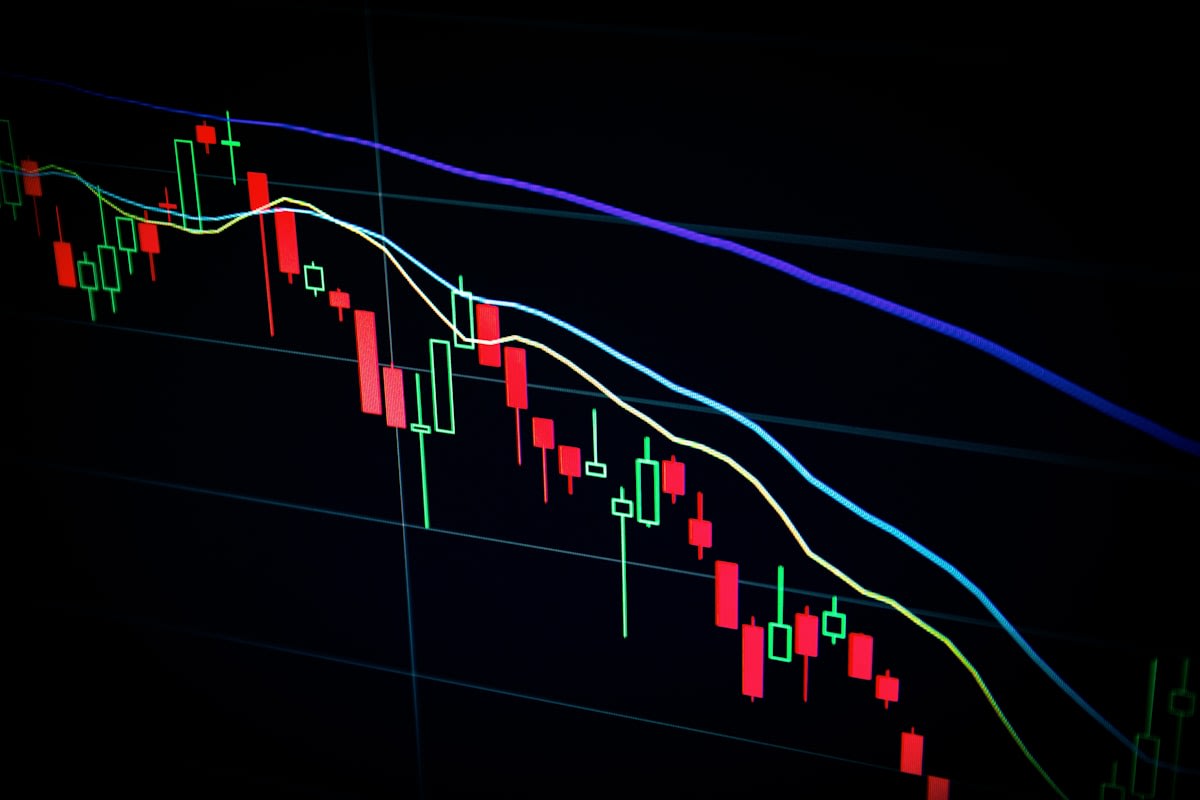
Financialization is further distancing the metal from its physical utility. Metals.io has tokenized nickel and cobalt into xNi and xCo tokens. Digital ownership creates a liquidity layer that separates the metal's value from its actual refinery throughput. Speculation now drives the price more than industrial demand. This tokenization allows a new profile of buyer to enter the market without needing a physical warehouse. It transforms a strategic mineral into a tradable financial asset.
The US Department of Energy is allocating $75 million to extract rare earth elements from coal feedstocks. This investment reduces dependency on traditional mining corridors. Domestic sourcing creates a closed loop that bypasses global bottlenecks. By utilizing existing coal waste, the US is effectively mining its own trash. Such initiatives reduce the urgency of securing overseas mineral agreements. The geopolitical map is being redrawn by waste-to-value technology.
Geopolitical Delta
A year ago, nickel was the undisputed king of the energy transition. Today, the emergence of lithium-air and sodium-ion creates a fragmented demand curve. Indonesia's strategy of forcing downstream refining is facing a wall of obsolescence. The world no longer needs as much high-grade nickel as it did in 2025. Competition is moving from the mine to the lab. Leverage is moving from the owner of the dirt to the owner of the patent.
- Devaluation of nickel-rich reserves due to lithium-air energy density breakthroughs.
- Erosion of Indonesian leverage as CATL scales sodium-ion hedges.
- Diversification of US battery production toward ESS, reducing high-performance nickel demand.
- Reduction of import reliance via DOE coal-to-rare-earth initiatives.
Technology moves faster than mining permits. The physical constraints of digging holes in the ground cannot compete with the speed of molecular engineering. Jakarta is holding a winning hand for a game that just changed rules. Future dominance will not be measured in tons of ore. It will be measured in the efficiency of oxygen-reduction reactions. The era of mineral diplomacy is yielding to the era of chemical superiority.