
AI Executive Summary
"This article analyzes the strategic shift from software-centric sustainability to physical infrastructure dominance. It highlights how Nigeria is securing the global supply chain through critical mineral processing and advanced manufacturing to create a sovereign industrial moat."
Silicon Valley loves a simulation. Real power resides in the dirt. While Western boardrooms debate agentic AI for lifecycle assessments, others are securing the raw materials that make those servers possible.
The Optics of Sustainability
McLaren builds bots for coral. This looks great in a press release. However, deploying agentic AI to produce lifecycle assessments at scale is merely a more efficient way to document a crisis. It is the accounting of failure, not the prevention of it.

The Measurement Paradox
The obsession with measuring tech emissions via AI ignores the energy-intensive reality of the hardware itself. We are using energy-hungry models to tell us that we are using too much energy.
Contrast this with the immediate, physical gambles being taken in the Global South. Power is not found in a bot that plants coral, but in the facility that refines the lithium for the battery.
Hard Assets and Heavy Metal
Kaduna State is not a simulation. Its soil holds platinum and lithium of exceptional purity. Jiuling Lithium Mining is pouring 600 million dollars into a processing facility because they understand a fundamental truth: the one who processes the mineral controls the price.
| Entity | Investment/Capacity | Strategic Focus |
|---|---|---|
| Jiuling Lithium Mining | $600 Million | Polymetallic Processing (Kaduna/Niger) |
| Canmax Technologies | $200 Million | Lithium Processing (Nasarawa) |
| Dangote Refinery | 650,000 barrels/day | Refined Petroleum Export |
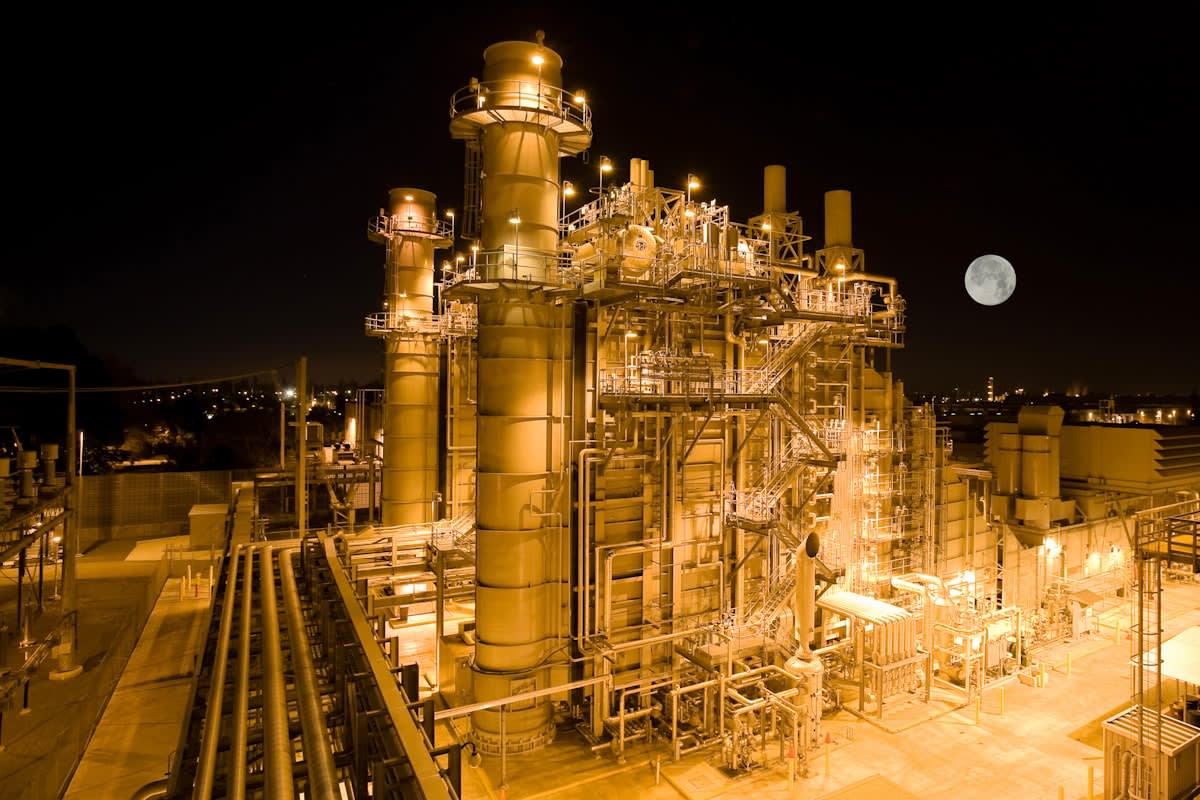
Nigeria is aggressively decoupling from import reliance. The Dangote Refinery has already ended decades of dependence on foreign fuel. This is a tangible seizure of the value chain that makes AI bubble debates in the US look like academic exercises.
Lagos is now the site of West Africa's first multi-technology industrial additive manufacturing facility. Arridex is not just printing parts; they are building a military-grade supply chain. Such institutional grounding creates a reality where the state and industry merge to ensure survival.
"Today, I opened West Africa’s first multi-technology industrial additive manufacturing facility in Lagos... the point at which two decades of accumulated capability become infrastructure."— Governor Babajide Sanwo-Olu
Infrastructure is the only hedge against volatility. While the West worries about the fatal flaw in the AI bubble, Nigeria is securing the NUPRC and NIPC certifications required to dominate the oil and gas additive manufacturing sector.
The Energy Lie
Energy remains the ultimate bottleneck. The Haber-Bosch process continues to tether global food security to fossil fuels and centralized manufacturing. Farmers are hostages to nitrogen prices that fluctuate with energy costs.
Annual US Waste Production
Executive Insight
+18.4%
YTD Growth
Waste-to-energy facilities in Spokane, Washington, attempt to solve this by burning trash for electricity. It is a desperate measure for a wasteful system. True efficiency is not found in burning garbage, but in eliminating the reliance on energy-intensive systems like Haber-Bosch.
Precision in the physical layer wins. Those who control the lithium, the refinery, and the additive factory will dictate the terms of the next decade. The rest will be left measuring their emissions with agentic AI.