
AI Executive Summary
"This article examines the strategic deployment of non-thermal plasma technology to solve urban water toxicity in Jakarta. It highlights a broader shift toward decentralized infrastructure and molecular-level remediation to ensure long-term resource security in Asian megacities."
Jakarta water is a chemical soup. Non-thermal plasma (NTP) has finally broken the deadlock of urban toxicity. High-voltage electric fields now strip organic toxins directly from the flow. This process eliminates the reliance on massive, centralized treatment plants.
Immediate results show a collapse in pollutant concentrations. These reactors operate by exciting electrons to create reactive species without heating the bulk liquid. Such a mechanism allows for the destruction of complex hydrocarbons that traditional filters ignore. Local authorities are now deploying these units in containerized formats.
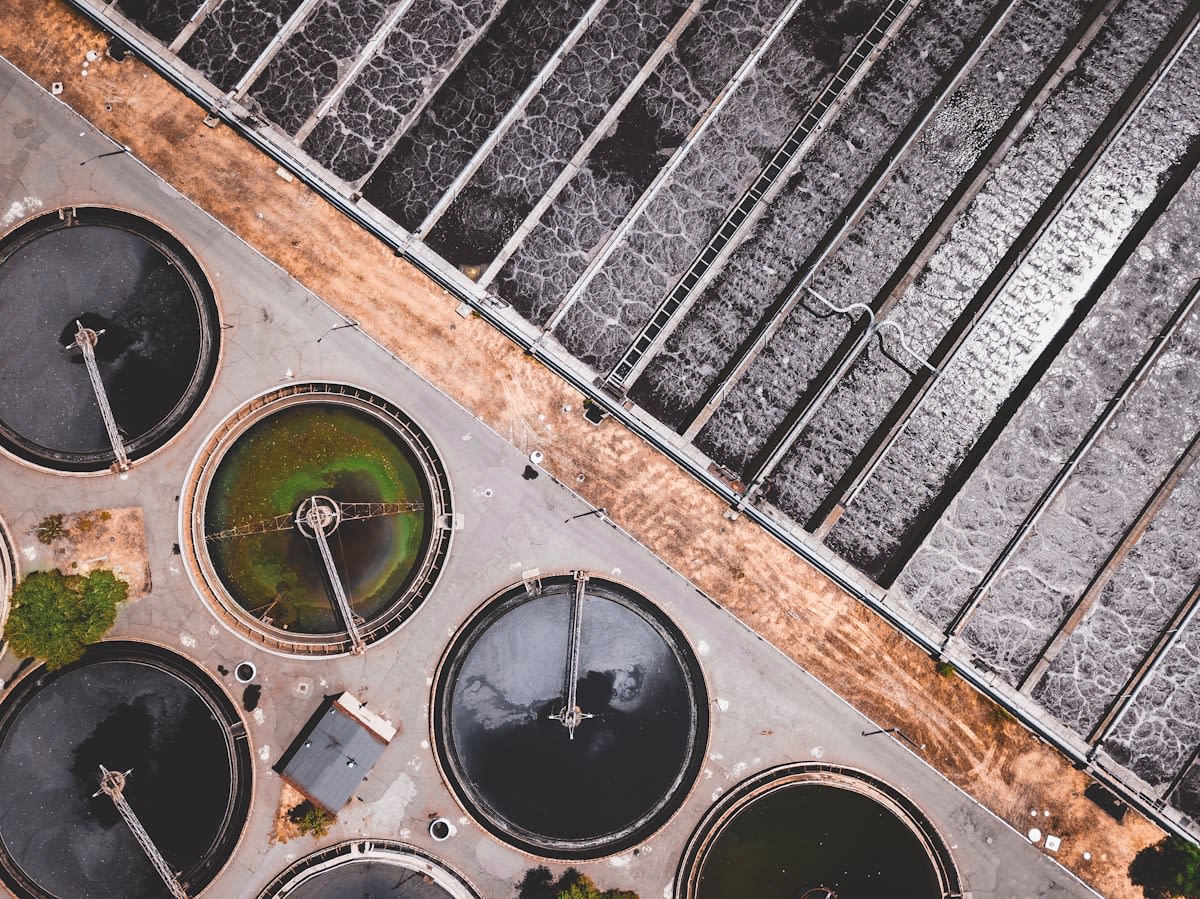
The Physics of Molecular Excitation
Faraday Earth has demonstrated the potency of this approach in ammonia production. Their technology uses an electromagnetic field to vibrate nitrogen electrons into a reactive state. Heat and pressure are discarded as requirements. This removes the need for the specialist catalysts and mega-scale plants that defined the Haber-Bosch process for over a century.
Water remediation in Jakarta applies this same logic to toxicity. High-voltage discharges create a plasma state that tears apart organic pollutants. Chemical bonds snap under the electrical stress. No secondary waste streams are produced, unlike the sludge generated by traditional coagulants.
"We are using the power of non-thermal plasma, which means you generate an electromagnetic field and you try to vibrate or excite electrons in such a way that they become reactive."— DS, Faraday Earth
Energy requirements are the primary constraint. Traditional green ammonia attempts require massive batteries to manage intermittent renewable power. NTP bypasses this by operating efficiently at smaller scales. This reduced capex makes urban deployment viable in cities where land is expensive.
The second-order effect is the death of the centralized utility model. Small-scale reactors can be placed at the point of contamination. Water is cleaned before it enters the broader grid. Such a distribution of power reduces the risk of total city-wide failure.
Technical Delta
Unlike the Haber-Bosch process, non-thermal plasma does not require high heat or high pressure, drastically lowering the physical footprint of the hardware.
Synergy With Ozone Nanobubbles
Complementary systems are now entering the mix. Ozone nanobubbles recently cleared the Lincoln Reflecting Pool in the US by attacking algae and organic matter. These bubbles act as a strong oxidizing treatment. They penetrate deep into eutrophic waters where oxygen is depleted.
Jakarta is integrating these nanobubbles with NTP reactors. Oxygenation happens simultaneously with toxin destruction. Algal blooms, often fed by phosphorus and nitrogen, are neutralized at the root. This dual-strike approach prevents the rapid regrowth of toxicity.
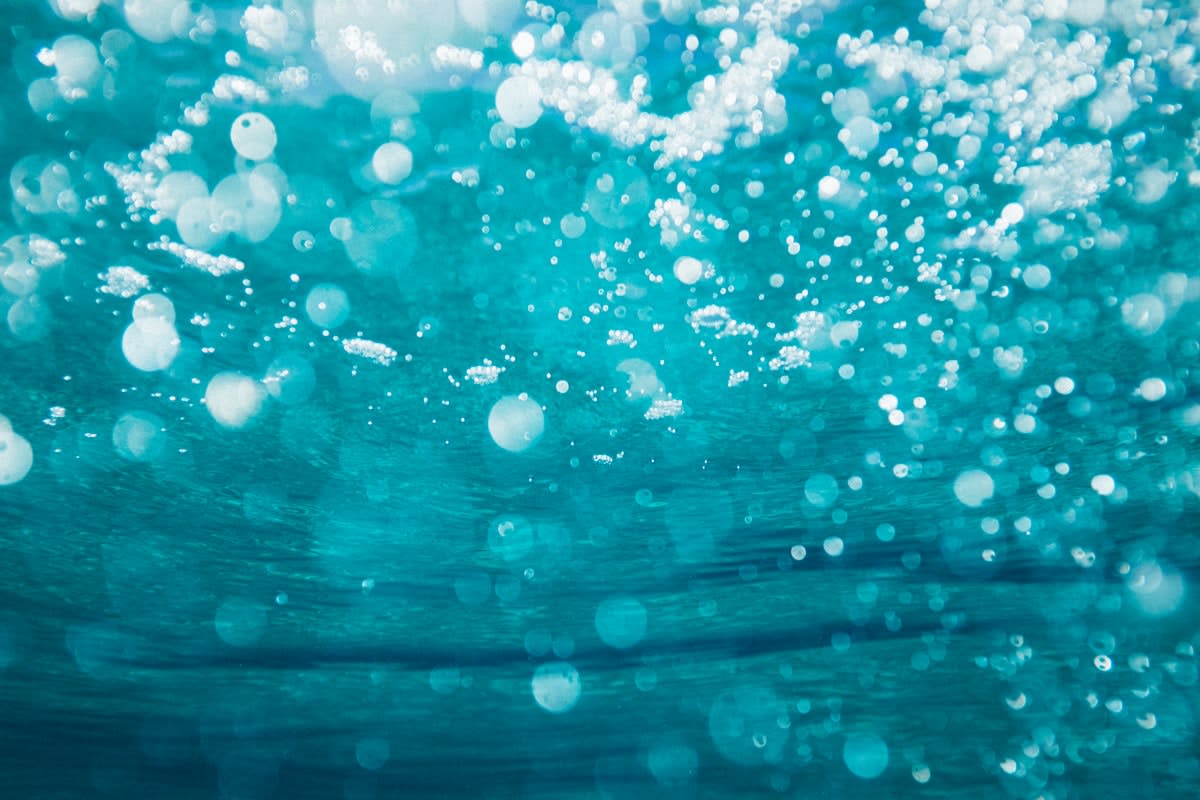
Artificial circulation is required for this to work. Water must be moved through the plasma field and nanobubble injectors. Natural bodies of water remain harder to treat due to their complexity. However, urban canals and reservoirs are essentially closed loops, making them ideal targets.
The result is a sterile, oxygenated flow. Heavy metals are precipitated out. Organic pollutants are vaporized. Jakarta's water is becoming a managed asset rather than a public health liability.
Regional Contrasts In Environmental Remediation
Other Asian capitals are fighting different battles. New Delhi is currently battling toxic winter air with permanent anti-pollution curbs. Their AQI generally ranges from 312 to 342 between November and February. Policy is their primary weapon, including cash incentives of over $1,000 for car owners to scrap old vehicles for EVs.
Hardware is the priority in Jakarta. While Delhi uses subsidies, Indonesia is deploying plasma physics. This represents a divergence in how megacities handle toxicity. One relies on behavioral change; the other relies on molecular destruction.
| City | Primary Pollutant | Primary Tool | Key Metric |
|---|---|---|---|
| Jakarta | Urban Water Toxins | Non-Thermal Plasma | Molecular Oxidation |
| New Delhi | Winter Smog | EV Scrap Incentives | 312-342 AQI |
| Ho Chi Minh | Carbon Emissions | 28 MWp Solar | Renewable Transition |
Vietnam is pursuing a third path. Samsung Electronics in HCMC recently commissioned a 28 MWp rooftop solar project. Energy independence is the goal there. This provides the clean electricity needed to power the very plasma reactors Jakarta is now using.
Interconnectivity is the missing link. The Asia Clean Energy Forum 2026 in Manila emphasized that no country can solve these problems alone. AI-driven grid management is the proposed solution. Such grids can route power to decentralized plasma plants during peak renewable production.
Current data shows a massive delta compared to 12 months ago. A year ago, plasma was a laboratory curiosity for nitrogen fixation. Today, it is an urban utility. The transition from Haber-Bosch scale to container scale has collapsed the time to deployment.
Second-Order Effects And Grid Logic
Infrastructure is no longer a static monument. Containerized reactors can be moved as pollution plumes move. This creates a dynamic response capability. Cities can now treat toxicity in real-time.
Costs are dropping as the technology matures. By removing the need for high-pressure vessels, the risk of catastrophic failure is reduced. Maintenance becomes a matter of electrode replacement rather than plant overhaul.
Global adoption is inevitable. If plasma can protect the Earth from solar storms by creating a plasma barricade in space, it can certainly clean a canal in Jakarta. The physics are the same: use high-energy fields to redirect or destroy unwanted particles.
Jakarta's success is the signal. Water toxicity is no longer a permanent condition of urban growth. It is a technical problem with a high-voltage solution.