
AI Executive Summary
"This article analyzes the systemic move from centralized cloud dependencies to sovereign, localized infrastructure driven by cost and security needs. It highlights the strategic emergence of Southeast Asia and India as critical hubs for both AI hardware and cultural expansion."
The myth of the seamless global village is dead. For a decade, the world chased a centralized dream: one cloud to rule them all, one cultural export to dominate every screen. But look closer at the moves being made in June 2026, and you will see a different story. We are witnessing the rise of Sovereign Enclaves. Whether it is a hospital in the US building its own data center or the NBA pivoting its entire growth strategy toward the Philippines, the goal is the same: localized control and strategic independence.
The Compute Rebellion
Why are healthcare leaders suddenly abandoning the comfort of the cloud? It comes down to two things: cost and control. According to Forbes, skyrocketing memory and GPU costs are forcing a radical rethink. Visionary healthcare organizations are no longer content to rent their intelligence from a handful of cloud giants. They are building sovereign, on-premise compute infrastructure. It is a bold move. By owning the silicon, these institutions gain the audibility and observability required for high-stakes patient safety—something a third-party cloud provider simply cannot guarantee.
Strategic Pivot
The 'Sovereign Hospital Data Center' isn't just a technical upgrade; it's a risk management strategy to ensure efficacy and patient safety in an era of AI-powered medical models.
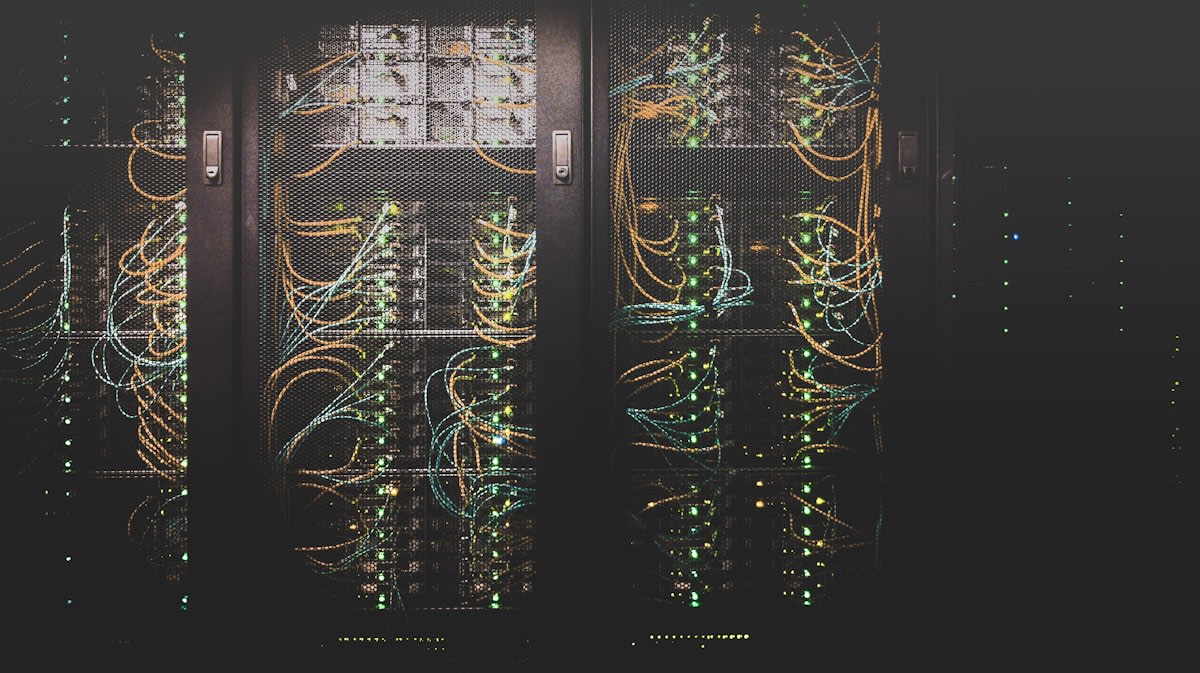
This hunger for sovereignty isn't limited to medicine. It is the new mandate for national security. Oracle's Defense Ecosystem is a prime example, recently expanding its third cohort with 10 new technology partners. The objective is clear: accelerate the transition of mission-critical AI and autonomous systems from prototype to operational deployment on sovereign cloud infrastructure. When national security is on the line, 'distributed' isn't enough. It has to be sovereign.
| Sector | Primary Trigger | Strategic Outcome | Core Requirement |
|---|---|---|---|
| Healthcare AI | Skyrocketing GPU/Memory Costs | On-premise Compute | Patient Safety & Audibility |
| National Defense | Secure Innovation Needs | Oracle Defense Ecosystem | Mission-Critical AI Deployment |
| Enterprise AI | Production Workload Scale | Integrated AI Cloud (e.g., Bitdeer) | Full-stack Optimization |
While the West secures its digital borders, the East is redefining the map of commercial influence. The shift is no longer just about China; it is about the explosive potential of Southeast Asia.
The Southeast Asian Pivot
Look at the NBA. Following the New York Knicks' dramatic Championship run, the league isn't just looking for more viewers; it's targeting a resurgence in Southeast Asia. The numbers are staggering: fan engagement in the region has climbed 15% over the last three years through Q1 2026. In the Philippines, basketball isn't just a sport—it is the most-played game in the country. By expanding the NBA Launchpad program, the league is treating the region not as a secondary market, but as a primary engine for player development and business expansion.
"As I step into this leadership role, I am grateful for the opportunity to continue to support our teams in both Hong Kong and Bangalore and drive strong performance across these high-growth markets."— Dan Kong, Managing Director, Asia at Smith
The trend mirrors what we see in the hardware sector. Smith, a global distributor of electronic components, recently appointed Dan Kong to oversee sales offices in Hong Kong and India. The goal? A long-term strategy for expansion in Southeast Asia. Contrast the tech hubs: while San Francisco focuses on the next LLM, Bangalore is becoming a critical node for the physical distribution of the semiconductors that power those very models. The synergy between hardware availability in India and consumer demand in SE Asia is creating a new economic corridor.
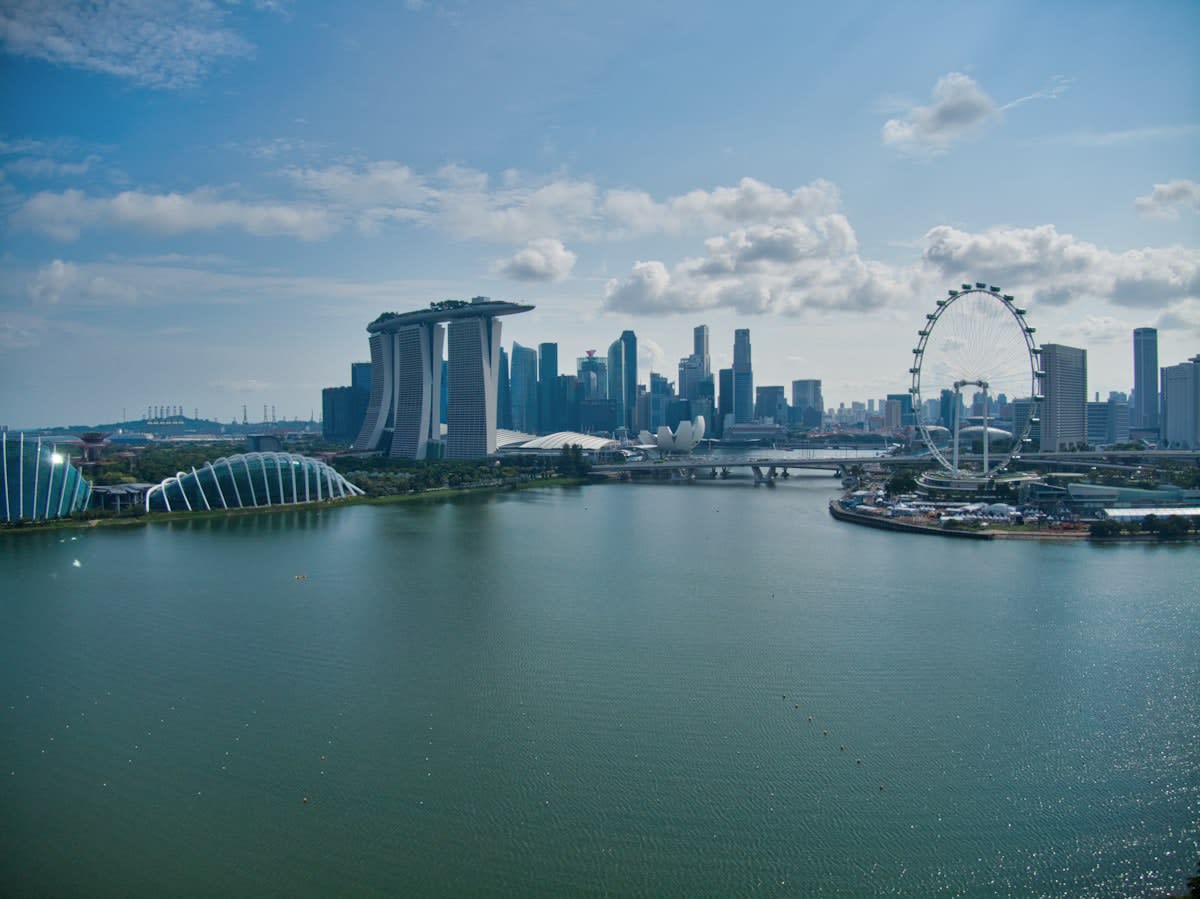
This regional ascent is capped by the rise of specialized infrastructure. Bitdeer AI, based in Singapore, recently won AI Cloud Platform of the Year at the 2026 AI Breakthrough Awards. Their success proves that the next generation of generative AI workloads won't be hosted on generic clouds, but on full-stack environments optimized for enterprise-scale production. The center of gravity is shifting.
Is this the end of globalization? No. It is the evolution of it. We are moving from a world of centralized dependencies to a network of sovereign, high-performance hubs. The opportunity for the next decade lies not in trying to rebuild the old global monolith, but in mastering the art of the localized pivot.