AI Executive Summary
"This article analyzes the critical shift from software-centric AI development to a focus on physical infrastructure and energy constraints. It highlights the geopolitical implications of data sovereignty and the strategic necessity of securing power grids to maintain competitive intelligence."
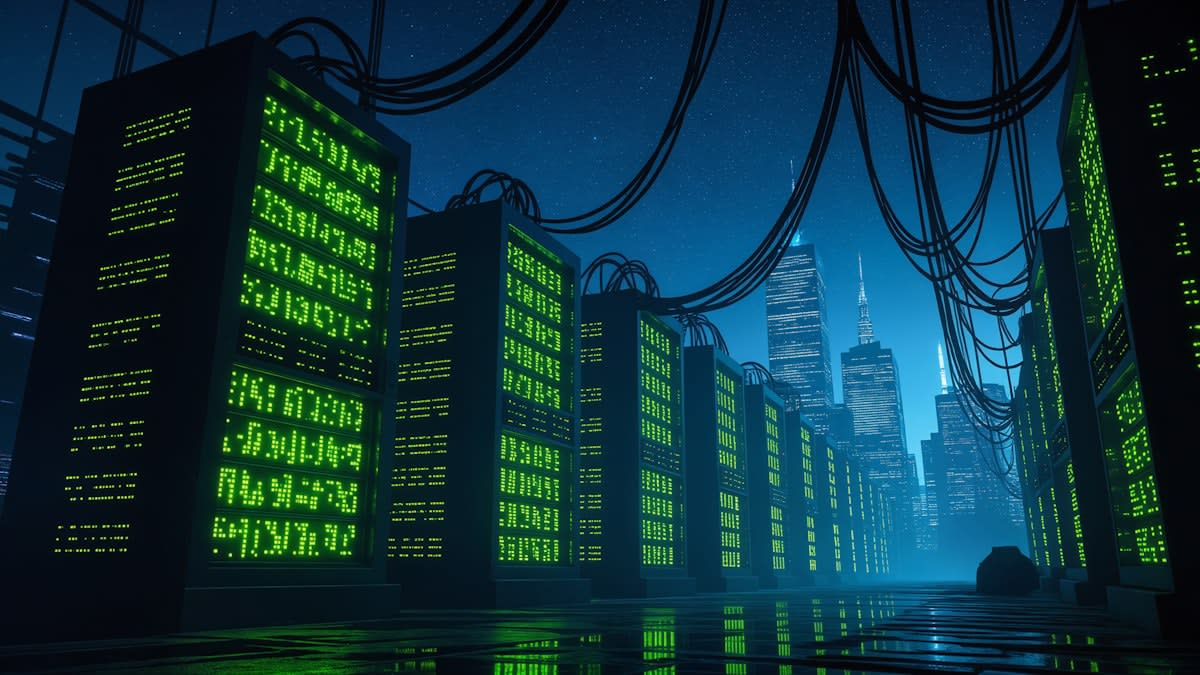
We have spent a decade pretending the cloud is an ethereal, borderless realm. It is not. The cloud is a collection of humming warehouses that drink electricity and radiate heat. While the hype cycle focuses on the latest LLM version, a more visceral reality is taking hold: the re-physicalization of intelligence. The winners of the next decade will not be those with the best prompts, but those who secure the power sockets and the sovereign soil.
Consider the sheer mismatch in timing. We are attempting to power a twenty-first-century digital economy using an electric system and regulatory framework designed for the twentieth century. Artificial intelligence moves at internet speed; the power grid moves at the speed of bureaucracy and copper. This friction is where the real opportunity lies.
The Sovereignty Obsession
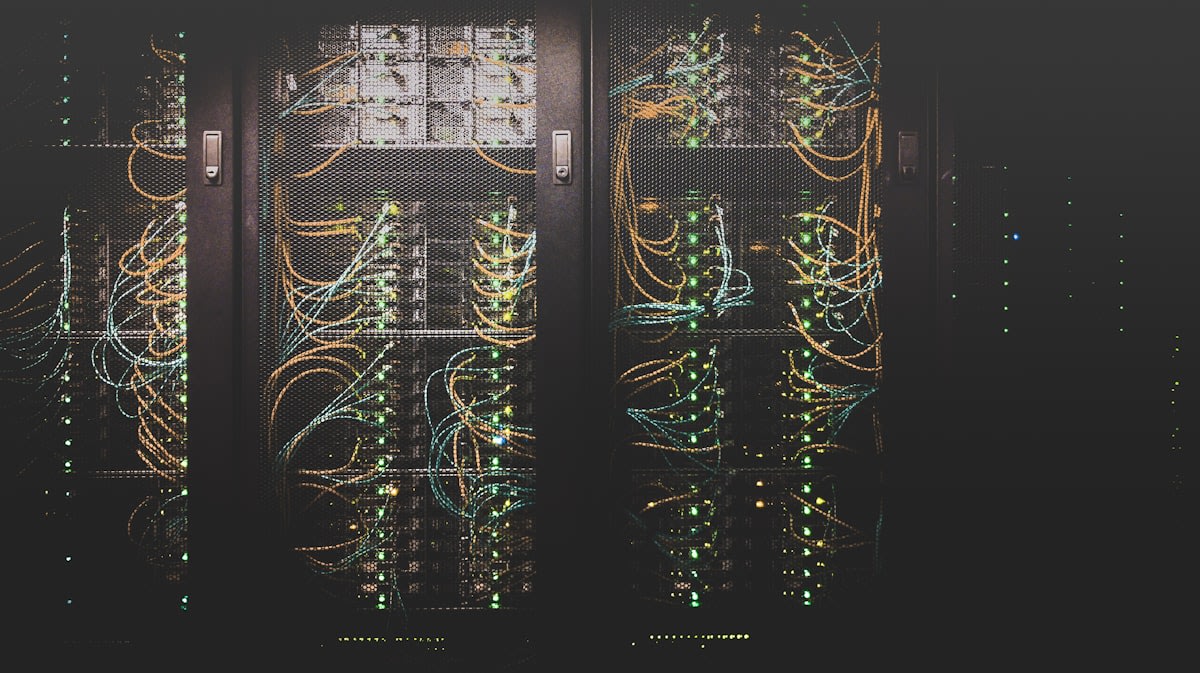
Data sovereignty is no longer a legal footnote; it is a national security imperative. In the UK, the government stopped playing games in late 2024 by officially designating physical data centres and cloud infrastructure as Critical National Infrastructure (CNI). This move didn't just add a label; it pulled the digital backbone into the national resilience framework. Why? Because you cannot have national security if your intelligence resides on a server you do not control.
This trend is not isolated to the West. In Ukraine, Kyivstar is partnering with the Ministry of Economy to build a sovereign AI-ready data centre. The goal is pragmatic: minimize latency for robotic systems and industrial facilities while keeping sensitive defense and financial data within domestic borders. When response time is a matter of survival, a round-trip to a server in Virginia or Dublin is an unacceptable luxury.
"Combining Palantir infrastructure with NVIDIA’s AI and Nemotron models will allow the U.S. government to unleash the full power of LLMs while removing the underlying security risks and rational concerns around proprietary insights migrating into the weights of closed models."— Alex Karp, CEO of Palantir Technologies
The US approach, exemplified by the Palantir and NVIDIA partnership, focuses on the 'sovereign environment.' By deploying open models like Nemotron, government agencies avoid the risk of their most sensitive insights leaking into the weights of a proprietary, closed-door model owned by a third-party corporation.
These regional strategies reveal a fragmented future. We are moving away from a global internet toward a series of fortified digital islands.
| Region | Primary Strategy | Key Trigger/Action | Strategic Objective |
|---|---|---|---|
| United Kingdom | Regulatory Fortification | CNI Designation (Late 2024) | National Resilience |
| Ukraine | Latency & Localization | Kyivstar/Gov MoU | Defense & Real-time Ops |
| USA | Model Sovereignty | Palantir/NVIDIA Engine | Prevention of Data Leakage |
| China | Hardware Integration | China Tower Transformation | Intelligent Infrastructure |
Beyond the Server Rack
While the West argues over laws and models, China is reimagining the physical asset. China Tower is transforming traditional telecom towers into digital and intelligent towers. They aren't just hosting antennas; they are integrating computing, power, and security resources into a single vertical asset. They are even targeting low-altitude infrastructure for navigation and digital management.
This is the logical conclusion of the trend. If AI requires massive compute and power, why move the data to the compute? Move the compute to the edge. By turning every tower into a mini-data center, you solve the latency problem and the power distribution problem simultaneously.

Does this mean the software era is over? No. But it means the software is now a hostage to the hardware. The energy sector is the new venture capital. Natural gas producers are suddenly finding massive new demand from power generation because AI cannot run on hopes and dreams—it runs on electrons.
The Hard Truth
The real bottleneck is not the GPU shortage; it is the grid shortage. We are trying to run a 21st-century brain on a 20th-century nervous system.
We should stop asking which AI model will win and start asking who owns the land, the power lines, and the sovereign legal framework that allows those models to breathe. The digital revolution has finally hit a wall, and that wall is made of concrete and copper.