AI Executive Summary
"This article analyzes West Africa's strategic transition from a raw material exporter to a global logistics hub. It highlights the $46 billion Dangote investment as a critical geopolitical hedge against systemic supply chain disruptions."
The End of the Recovery Myth
For the past year, supply chain executives have operated under the delusion that the world would eventually return to a baseline of stability. The recent volatility surrounding the Strait of Hormuz proved the opposite. Even as the corridor slowly reopens, the industry is realizing that the previous state of efficiency was an anomaly. According to Eric Fullerton of project44, we have entered a never-normal environment where resilience is no longer about bouncing back from a shock, but about adapting to a state of constant disruption.
The delta between today and twelve months ago is stark. A year ago, the conversation focused on clearing port congestion and repositioning equipment. Today, the focus has shifted toward permanent operating practices that assume the most critical global chokepoints are unreliable. This systemic instability is driving a massive migration of capital toward regional hubs that can provide internal security and reduce the distance between production and consumption.
The Strategic Delta
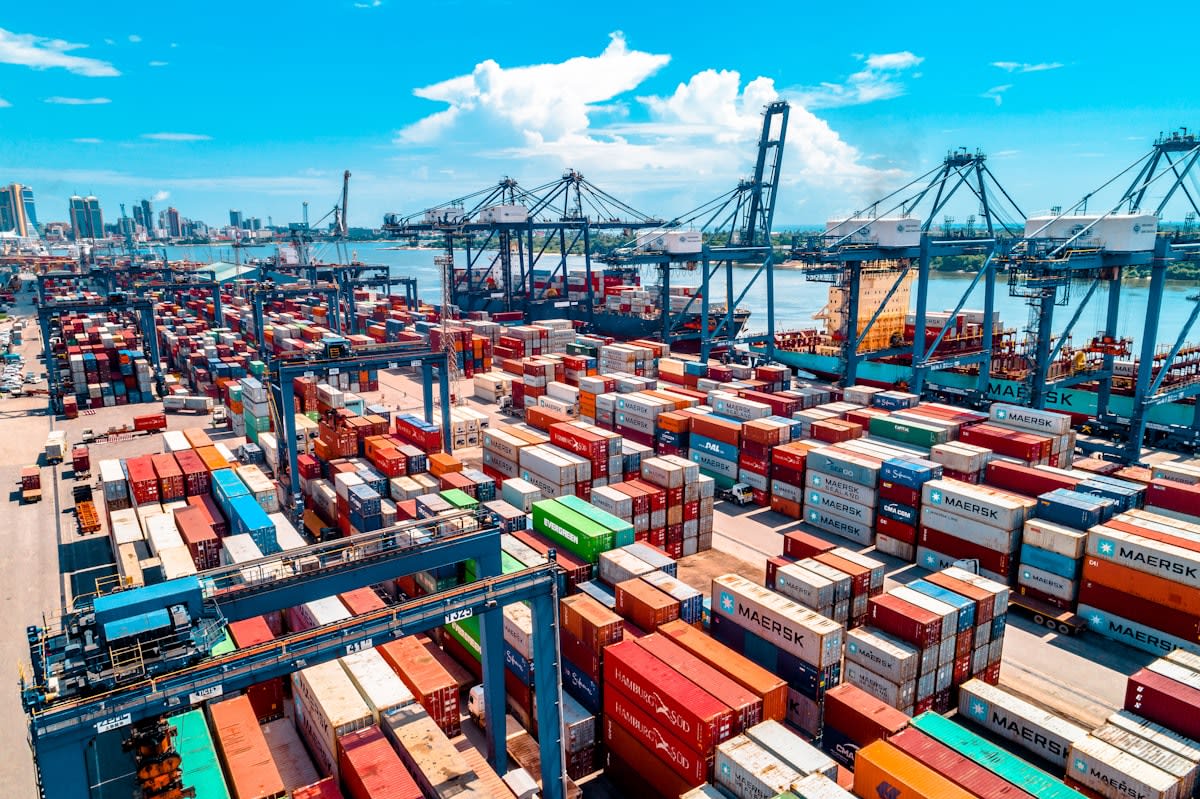
The strategic shift is clear: Global trade is moving from a hub-and-spoke model centered on a few vulnerable chokepoints to a distributed network of industrial corridors.
The West African Industrial Pivot
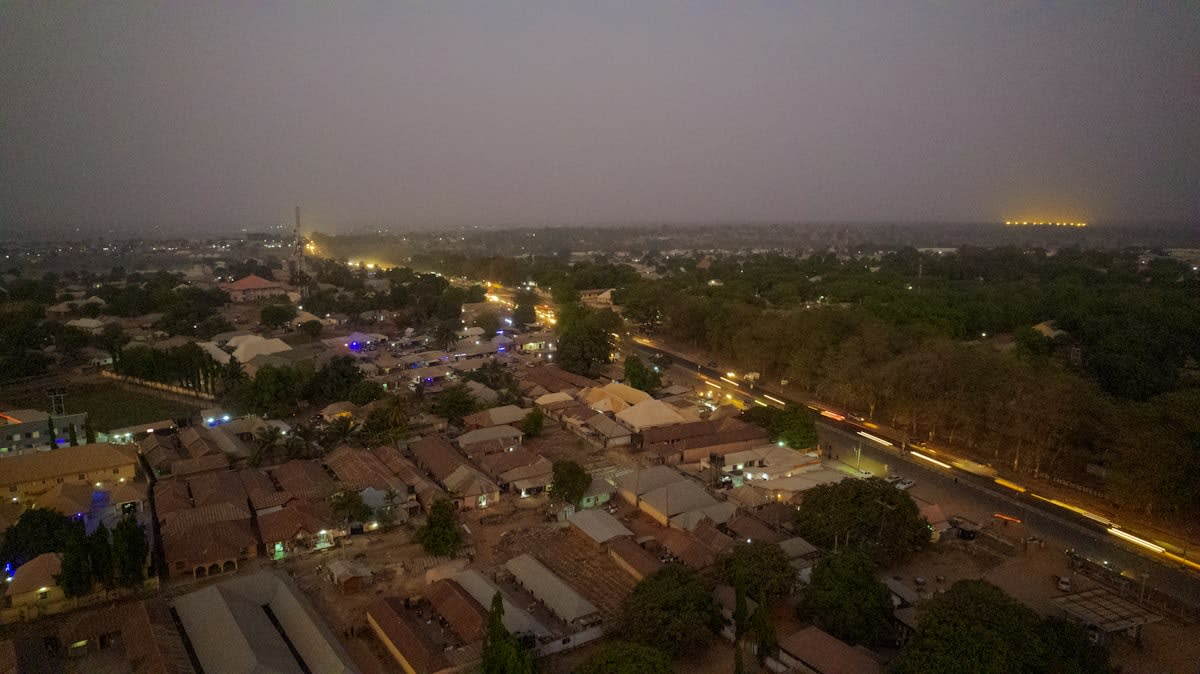
West Africa, and specifically Nigeria, is positioning itself as the primary alternative to this fragility. The region is transitioning from being a mere source of raw materials to becoming a center of high-value refining and manufacturing. This is not a gradual evolution but a concerted industrial assault on the status quo. By building internal capacity, West Africa aims to insulate itself from the price shocks and supply interruptions that plague the Atlantic and Indian Ocean trade routes.
A prime example of this shift is the development of the Ore Industrial Park in Ondo State. Led by figures like Femi Akinkuebi, the project is designed to reposition the state as a manufacturing and logistics hub. This is a direct bet on manufacturing-led prosperity, moving away from an import-heavy economy that leaves the region vulnerable to external shocks. The goal is to transform traditional trade routes into integrated industrial corridors where goods are produced, processed, and distributed within the region.
"The philosophy is rooted in observing the inefficiencies of an import-heavy economy and replacing them with productivity-driven interventions."— Femi Akinkuebi, Industrial Strategist
The $46 Billion Energy Bridge
The most aggressive manifestation of this trend is the $46 billion investment programme spearheaded by Dangote Industries. Between 2026 and 2028, the company is building a refining network that effectively bridges the Atlantic and Indian Oceans. By establishing a massive 1.4 million barrel-per-day (bpd) refinery in Nigeria and a complementary 700,000-bpd refinery in Kenya, Dangote is creating a 2.1 million-bpd network that fundamentally alters the fuel trade in Africa.
| Location | Capacity (BPD) | Strategic Role |
|---|---|---|
| Nigeria | 1.4 Million | Atlantic Coast Hub |
| Kenya | 700,000 | Indian Ocean Hub |
| Total Network | 2.1 Million | Continental Energy Independence |
This twin-hub system does more than just provide fuel; it eliminates the need for African nations to ship crude oil to Europe or Asia only to buy back refined products at a premium. It is a masterclass in bypassing global chokepoints. By controlling the refining process at both ends of the continent, West Africa anchors a new trade axis that reduces reliance on the volatile maritime corridors of the Middle East and the North Atlantic.
Global Parallels: The Rise of Deep-Sea Hubs
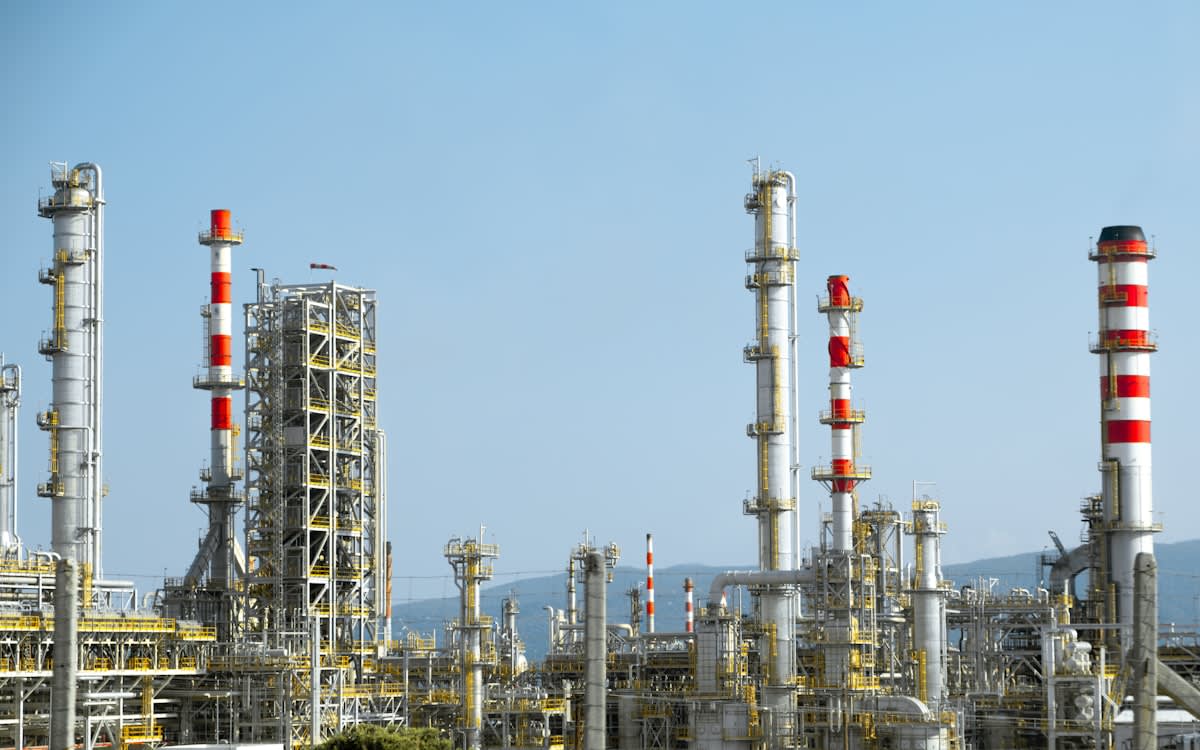
This West African movement does not exist in a vacuum. It mirrors a global trend of strategic port and industrial development seen in Southeast Asia. In Vietnam, PSA and LHF are developing a 4.5 million TEU deep-sea hub at Lach Huyen Port in Hai Phong. This project is designed to connect inland cargo hubs directly with global shipping networks, creating an integrated logistics ecosystem that minimizes the risk of congestion and disruption.
The synergy between the Vietnamese deep-sea expansion and the West African industrial corridors is clear: the world is moving toward a model of high-capacity, regionalized gateways. Whether it is the Free Trade Zone in Hai Phong or the Ore Industrial Park in Nigeria, the objective is the same. These regions are no longer content to be the periphery of global trade; they are building the infrastructure to become the center.
The Risks of the Transition
However, the path to becoming a global trade valve is fraught with systemic risks. As Akinkuebi notes, governance risks remain a primary threat that could derail long-term industrial transformation. Infrastructure deficits are a constant hurdle, and the transition from a trade-route economy to an industrial-corridor economy requires a level of political stability and regulatory consistency that has historically been elusive in the region.
Despite these challenges, the momentum is undeniable. The sheer scale of the $46 billion Dangote investment suggests a level of confidence in the structural shift that outweighs the perceived risks. The focus has moved from survival to dominance. If West Africa successfully integrates its refining capacity with its manufacturing hubs, it will not just bypass global chokepoints—it will create a new, more resilient trade architecture for the entire Southern Hemisphere.
The ultimate outcome will be a reduction in the global economy's sensitivity to a single strait or a single canal. When a continent can refine its own oil and manufacture its own goods through integrated corridors, the leverage shifts. West Africa is no longer just a participant in global trade; it is becoming the architect of its own independence.