AI Executive Summary
"This article analyzes the intersection of urban architecture and evolutionary psychology to explain the rise of social isolation. It provides a strategic critique of density-focused planning, advocating for 'human-scale' design to improve public health and social resilience."
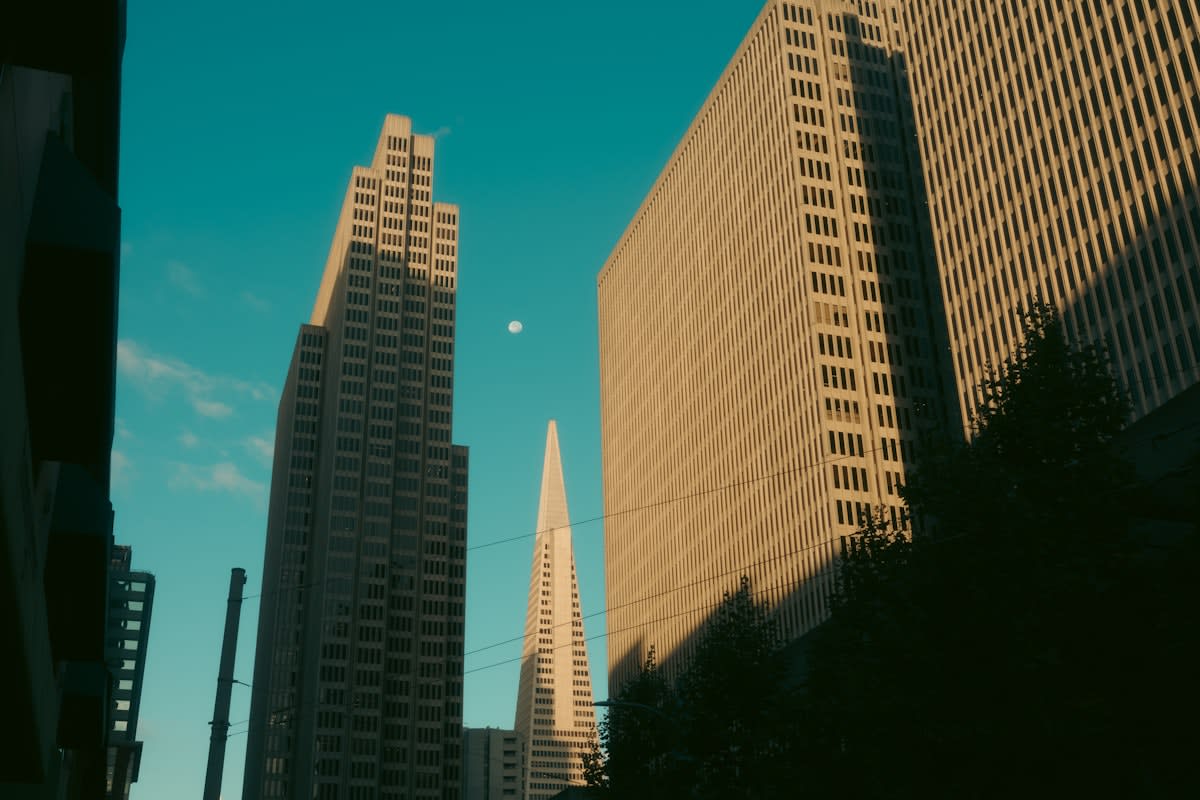
Walk through any modern metropolis and you will see the same pattern: a skyline of glass and steel reaching for the clouds, while the streets below hum with a frantic, anonymous energy. We call this progress. We call it density. But there is a quiet, systemic failure occurring in the blueprints of our cities. We have mistaken proximity for connection. By stacking thousands of people into vertical silos, we aren't building communities; we are building efficient storage units for humans.
Why does living closer to more people make us feel more alone? The answer lies in a fundamental evolutionary mismatch. As researchers from the Singapore University of Technology and Design (SUTD) and James Cook University have pointed out, the human brain evolved for a world of familiar faces and small, close-knit groups. Our instincts were shaped by the immediate threats and social rewards of a village, not the overwhelming sensory input of a dense city or the curated comparison of a digital platform. When we force a Pleistocene brain into a 60-story tower, the result is internal confusion and a profound sense of isolation.
The Tower Transition: From Neighborhoods to Hubs
Look at the current urban renewal plans in Israel, specifically in districts like Givatayim and Holon. The strategy is clear: replace low-rise blocks of four to six stories with residential towers reaching 30 to 60 stories. On paper, this is a triumph of transit-focused design and reduced car dependency. It maximizes land use and streamlines the commute. But what happens to the social friction that creates friendship? A six-story building allows for a recognizable set of neighbors; a 60-story tower turns your neighbor into a statistical probability.
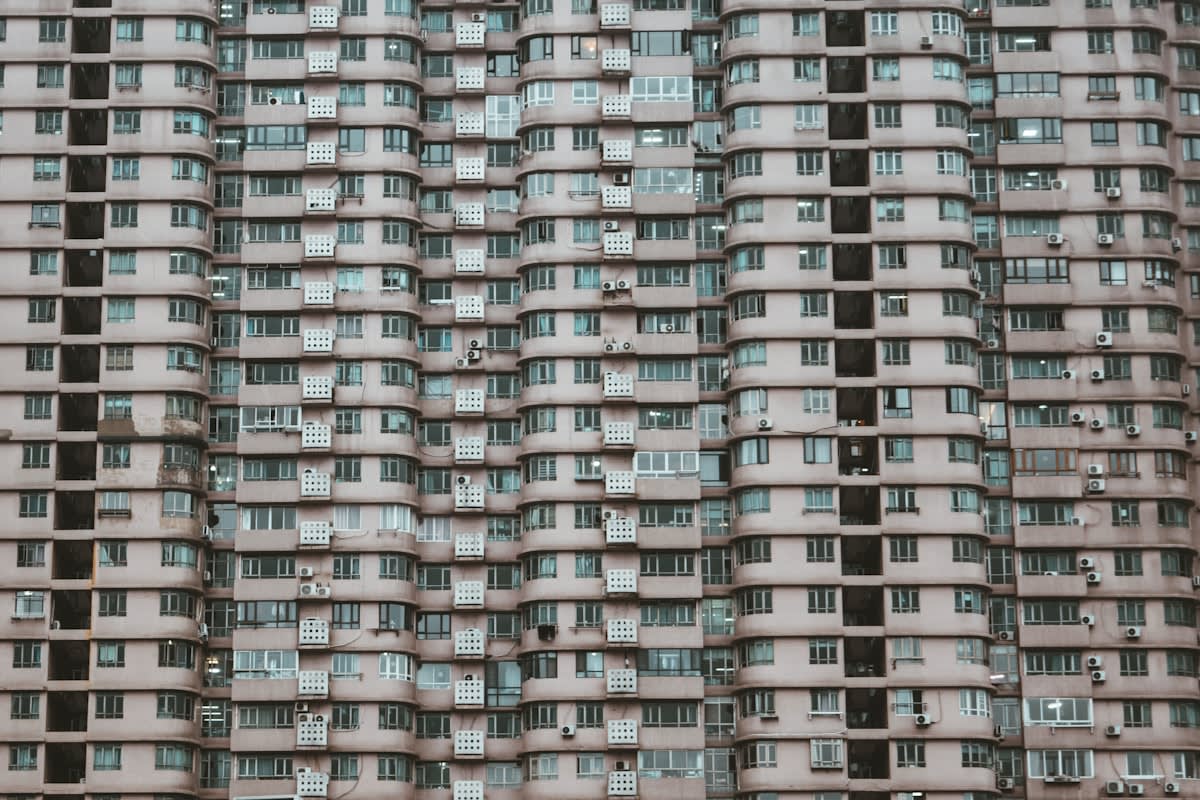
This architectural shift removes the accidental encounters that fuel human bonding. In a low-rise neighborhood, you see the same people at the corner store or the local park. In a tower district, you transition from a private elevator to a high-speed transit network. The journey is efficient, but it is sterile. We have designed the 'friction' out of our lives, forgetting that social friction is exactly how friendships are sparked.
The Efficiency Paradox
The efficiency paradox: The more we optimize our cities for speed and transit, the more we strip away the unplanned interactions that sustain mental health.
Does this mean the city is the enemy? Not necessarily. The problem isn't the city itself, but the specific way we are evolving our urban spaces. The goal should not be a return to the village, but a redesign of the metropolis to accommodate our biological needs. We need to ask: how do we integrate the small-group intimacy of our ancestors into the infrastructure of the future?
The Suburban Trap and the Walkability Gap
If the high-rise city is a vertical void, the suburbs are a horizontal one. New research published in JAMA Network Open reveals a startling correlation between where we live and our long-term health. Interestingly, dementia mortality drops in both the big city and the rural country. The highest risk? The suburbs. This contradicts the assumption that overcrowded cities are the most dangerous environments for cognitive decline.
Why are the suburbs so lethal to the mind? According to Sinvani, a director of research and innovation at the Northwell Institute for Healthy Aging, suburban living often combines the worst of both worlds. Residents face the environmental downsides of urban living, such as traffic pollution, but lack the walkable access to doctors and services that define a true city. When you cannot walk to a pharmacy or a cafe, you lose the micro-interactions that keep the brain engaged and the spirit connected.
| Environment | Social Structure | Key Health Driver | Dementia Mortality Risk |
|---|---|---|---|
| Big City | High Density/Anonymous | Walkable Access to Services | Lower |
| Suburbs | Low Density/Car-Dependent | Pollution without Walkability | Higher |
| Rural | Low Density/Close-Knit | Strong Social Interaction | Lower |
This suggests that walkability is not just a convenience; it is a biological necessity. The ability to navigate one's environment on foot creates a web of casual acquaintances and routine interactions. In the suburbs, the car becomes a sterile capsule, transporting us from one isolated box (the home) to another (the office), bypassing the community entirely.
The Psychology of the Urban Mask
Beyond the physical architecture, there is a psychological architecture at play. In dense, competitive urban environments, we often cultivate masks to survive. This is most evident in the phenomenon of 'pretty privilege.' While conventionally attractive people receive unearned advantages, psychologist Chow notes a counterintuitive downside: profound loneliness. These individuals are often the loneliest people in the room, struggling to trust if they are valued for their character or simply their aesthetics.
"Attractive people are often the loneliest people in the room... they can also never be sure they are truly seen."— Chow, Founder of Theraspace
This mirrors the broader urban experience. In a city of millions, we are all performing a version of ourselves. The evolutionary mismatch mentioned by the SUTD researchers manifests here as constant social comparison. When we are surrounded by the 'best' of a global population, the drive to compete outweighs the drive to connect. We stop looking for partners and start looking for peers to outpace.
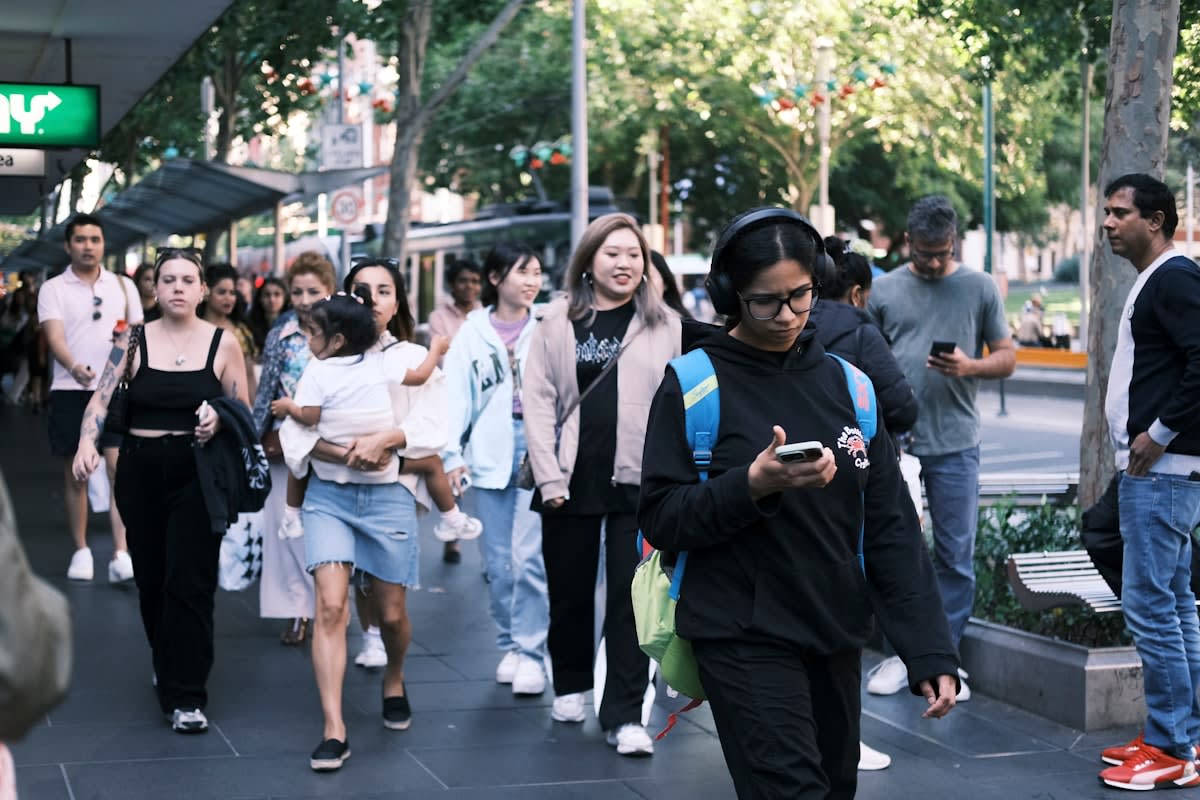
Is it possible to break this cycle? The path forward requires a shift in how we define urban success. For too long, we have measured success by the height of the tower or the speed of the metro. We must start measuring success by the strength of the social fabric.
Designing for Resilience
The opportunity lies in hybridizing our approach. We can have the density of the 60-story tower if we integrate the human-scale elements of the village. This means creating 'vertical neighborhoods'—dedicated communal spaces every few floors that force interaction, rather than just a lobby and a gym. It means prioritizing the 'third place'—the space between work and home—where people can gather without the pressure of consumption.
- Replacing sterile transit hubs with mixed-use 'slow zones' that encourage lingering.
- Limiting the height of residential blocks to maintain a recognizable neighbor-count.
- Designing suburbs to eliminate car-dependency and restore walkable access to essential services.
- Creating urban spaces specifically designed to mitigate the 'comparison trap' through community-led initiatives.
We are currently in a transition period. The redevelopment of cities like Holon and Givatayim represents a crossroads. We can either double down on the efficiency of the machine, or we can use this renewal to build environments that respect our evolutionary heritage. The goal is not to fight the city, but to humanize it.
Ultimately, the architecture of loneliness is a choice. Every zoning law, every transit map, and every skyscraper is a statement about what we value. If we continue to prioritize the flow of capital and cars over the flow of human connection, we will find ourselves living in the most connected cities in history, wondering why we have no one to call.