Businesses suffer in Afghanistan as Taliban dress code restrictions keep women home
Source Entity
TOI WORLD DESK
Intelligence Synthesis
AI-Generated Core Insights
Strict Taliban dress code restrictions in Afghanistan are forcing women to stay indoors, causing a significant decline in consumer activity and hurting local businesses.
The Economic Toll of Social Restrictions
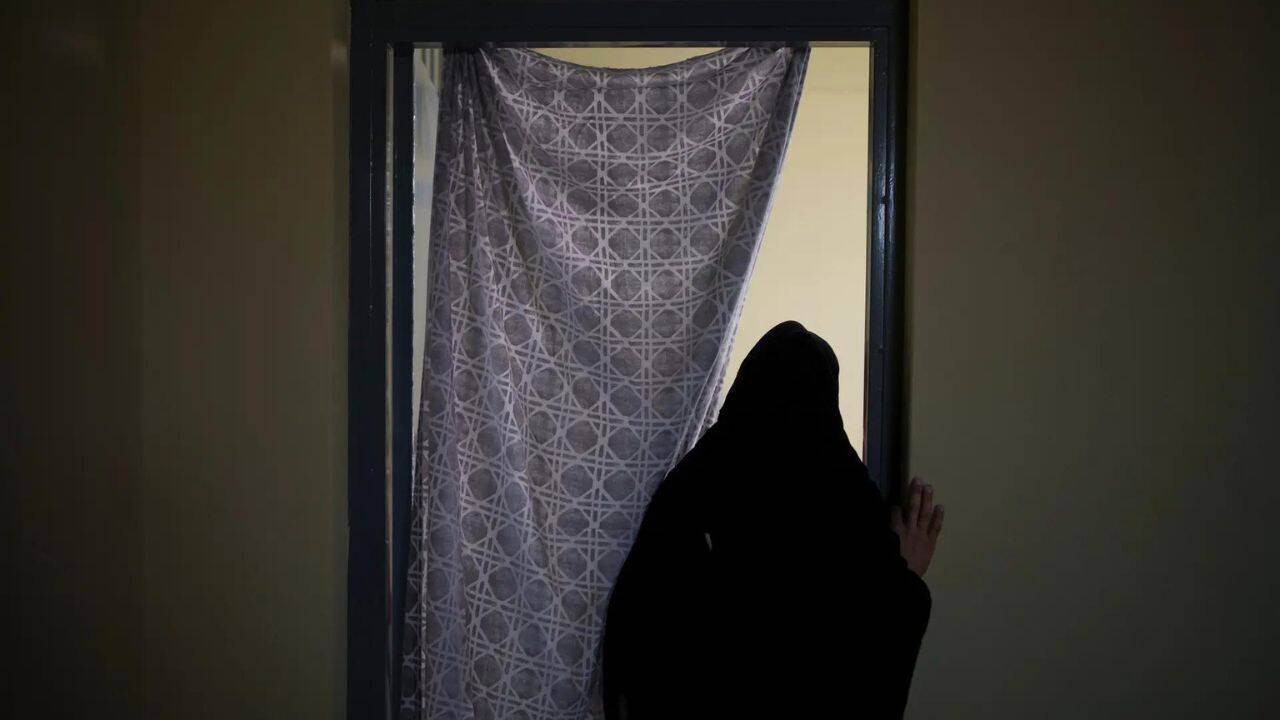
The recent enforcement of strict dress code regulations by the Taliban is precipitating an unexpected and severe economic crisis within Afghanistan. While these mandates are primarily framed by the ruling authorities as social and religious enforcement, the practical consequence is the systematic removal of a significant demographic from the public sphere. As women are increasingly restricted from appearing in public without specific attire or under certain conditions, they are effectively being barred from participating in the marketplace, creating a void in the national economy.
The Collapse of Consumer Activity
The most immediate and visible impact is being felt in the retail and service sectors. Markets that once thrived on the presence of female shoppers are now experiencing a profound slump in foot traffic. In many urban centers, businesses report that the disappearance of women from public spaces has led to a direct and sharp drop in daily revenue. This is not merely a loss of a niche market; women represent a critical component of the consumer economy, driving demand in essential sectors ranging from textiles and groceries to household goods and personal services.
The Ripple Effect on Local Markets
The decline in female consumer spending creates a devastating ripple effect throughout the Afghan economy. When retail businesses suffer from reduced sales, their ability to pay suppliers, employees, and rent diminishes significantly. This contraction leads to a breakdown in the supply chain, where wholesalers and manufacturers also see reduced orders, leading to further layoffs and production cuts. The resulting economic stagnation threatens to deepen the existing poverty crisis in the country, as the reduction in circulating capital limits the growth and survival of small and medium-sized enterprises (SMEs) that are the backbone of the local economy.
Historical Context of Economic Fragility
This current downturn must be viewed through the lens of Afghanistan's broader economic instability following the change in governance in 2021. The country has already been struggling with the massive withdrawal of international aid, the freezing of central bank assets, and skyrocketing unemployment rates. The imposition of gender-based restrictions acts as a catastrophic multiplier for these existing stressors. By narrowing the scope of social interaction, the administration is inadvertently stifling the very commercial activity required to stabilize a nation already on the brink of financial collapse.
Future Economic Projections
Looking ahead, the current trajectory suggests a long-term erosion of economic resilience. If women remain sidelined both as consumers and as potential participants in the workforce, the Afghan economy faces a structural deficit that may be impossible to reverse. The loss of human capital and the shrinking of the consumer base suggest that without a significant policy shift that allows for broader social and economic participation, the market will continue to contract. This could lead to a permanent state of economic subsistence rather than the development required for national stability.
Conclusion
In summary, the Taliban's dress code restrictions are far more than a social mandate; they are a profound economic disruptor. By effectively excluding women from the public marketplace, the current administration is undermining the commercial vitality of the nation. The intersection of social control and economic decline creates a feedback loop that threatens the livelihoods of many Afghans and the overall stability of the country's markets.