Where retirement goes to die: Inside America’s geriatric government
Source Entity
CHIDANAND RAJGHATTA
Intelligence Synthesis
AI-Generated Core Insights
An examination of the 'gerontocracy' within the US Congress, highlighting the record-high average age of lawmakers and the resulting concerns over health transparency and generational disconnect in governance.
The Twilight of Leadership: Analyzing the US Gerontocracy
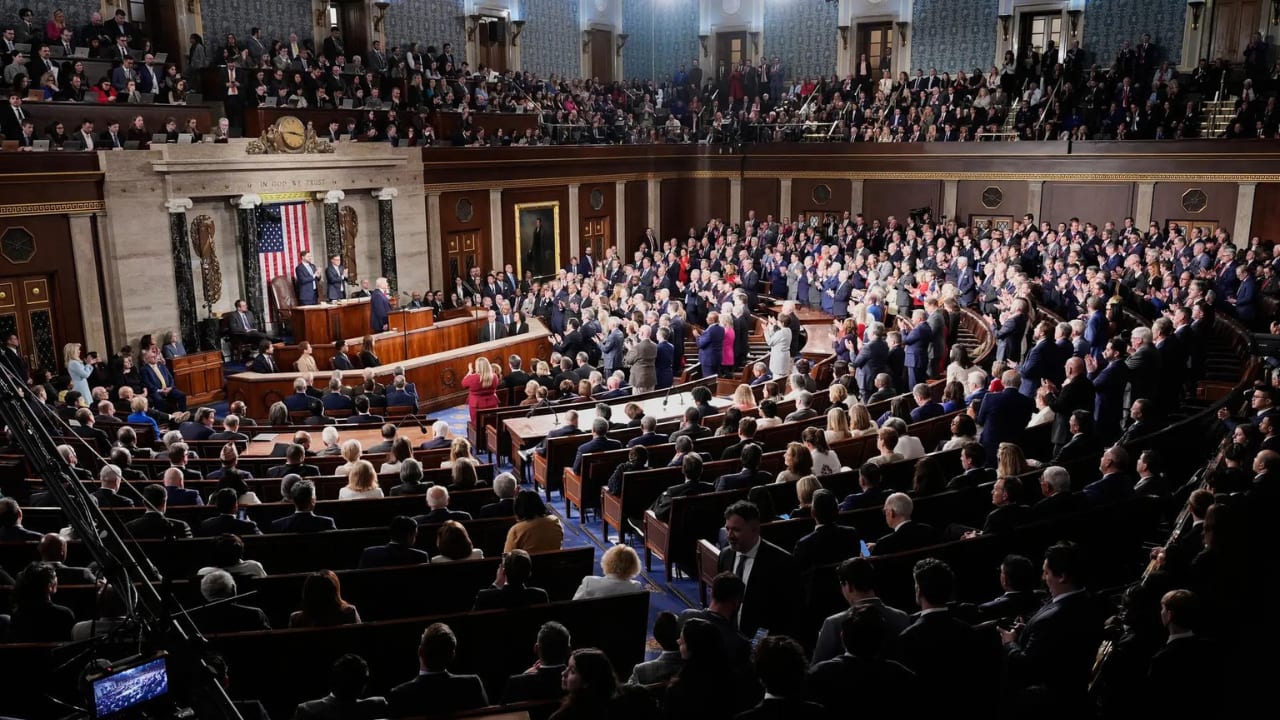
The current state of the United States Capitol has sparked a critical conversation regarding the intersection of age, power, and cognitive health. The phenomenon described as a 'geriatric government' is not merely a reflection of increased longevity in the modern era, but a systemic trend where the average age of lawmakers has reached some of the highest levels in American history. This demographic shift suggests that the US is increasingly governed by a gerontocracy—a society ruled by elders—which raises fundamental questions about whether a leadership body composed primarily of the oldest generation can effectively legislate for a diverse, multi-generational populace.
The Demographic Disconnect and Policy Inertia
One of the most pressing implications of an aging Congress is the widening gap between the lived experiences of lawmakers and those of their constituents. When the average age of the legislative body skews significantly higher than the median age of the population, a 'representational vacuum' occurs. This is particularly evident in the handling of forward-looking policies such as climate change, digital privacy, and the gig economy. Older lawmakers may rely on 20th-century political frameworks to solve 21st-century problems, leading to policy inertia where the pace of legislation cannot keep up with the rapid acceleration of technological and social change.
The Crisis of Health Transparency
As noted in the reports, a shroud of mystery often surrounds the health conditions of powerful US officials. In a system where a handful of individuals hold immense sway over global economics and national security, the physical and mental acuity of these leaders is a matter of public interest. The lack of standardized, transparent health disclosures for members of Congress creates a precarious environment. When 'mystery' replaces medical clarity, it fuels speculation and instability, potentially compromising the perceived legitimacy of the government and the reliability of its decision-making processes during times of national crisis.
Historical Context and the Incumbency Trap
Historically, the US Congress has always valued seniority, with committee chairmanships and influence traditionally tied to tenure. However, the current era has seen this tradition evolve into an 'incumbency trap.' The combination of high fundraising capabilities, established name recognition, and a political climate that often penalizes newcomers has made it increasingly difficult for younger, diverse voices to break into the upper echelons of power. This cycle ensures that power remains concentrated among a small group of aging veterans, effectively pushing the 'retirement' phase of their lives indefinitely into the future.
Future Trends: The Push for Generational Renewal
Looking ahead, the tension between an aging leadership and a younger, more impatient electorate is likely to intensify. We can predict a surge in grassroots movements advocating for term limits or age caps, as voters seek a government that reflects the current demographic reality. Furthermore, as the current 'geriatric' wave eventually exits the stage, there will likely be a volatile period of transition. The challenge for the US Capitol will be to balance the wisdom and institutional memory provided by elder statesmen with the agility and innovation required by a new generation of leaders.
Conclusion: The Cost of Stagnation
In summary, the trend toward an aging government in the US Capitol is more than a biological curiosity; it is a political risk. The combination of cognitive decline, a lack of health transparency, and a disconnect from the youth threatens the efficacy of American governance. For the US to maintain its global competitiveness and internal stability, it must find a way to facilitate a healthy generational handover, ensuring that the Capitol is a place of active leadership rather than a place where retirement simply goes to die.