Delhi Confidential: Ready For Race?
Source Entity
The Indian Express
Intelligence Synthesis
AI-Generated Core Insights
The Congress party is reportedly undecided on whether to field a candidate for the upcoming Bankipur bypoll in Bihar, creating a strategic vacuum as the Jan Suraaj Party prepares to contest the seat.
Analysis of the Bankipur Bypoll: Strategic Uncertainty in Bihar
The Congress Dilemma and Internal Friction
The upcoming Bankipur bypoll in Bihar has emerged as a focal point of strategic hesitation for the Indian National Congress. With only two weeks remaining before the election, the state unit's indecision regarding whether to field a candidate suggests a deeper internal conflict or a calculated risk assessment. In the high-pressure environment of Bihar politics, such delays are rarely accidental; they often signal a lack of consensus on candidate viability or a complex negotiation within the broader opposition alliance. The 'Delhi Confidential' report highlights a party struggling to synchronize its central directives with ground-level realities in Bihar.
The Disruptive Influence of Jan Suraaj
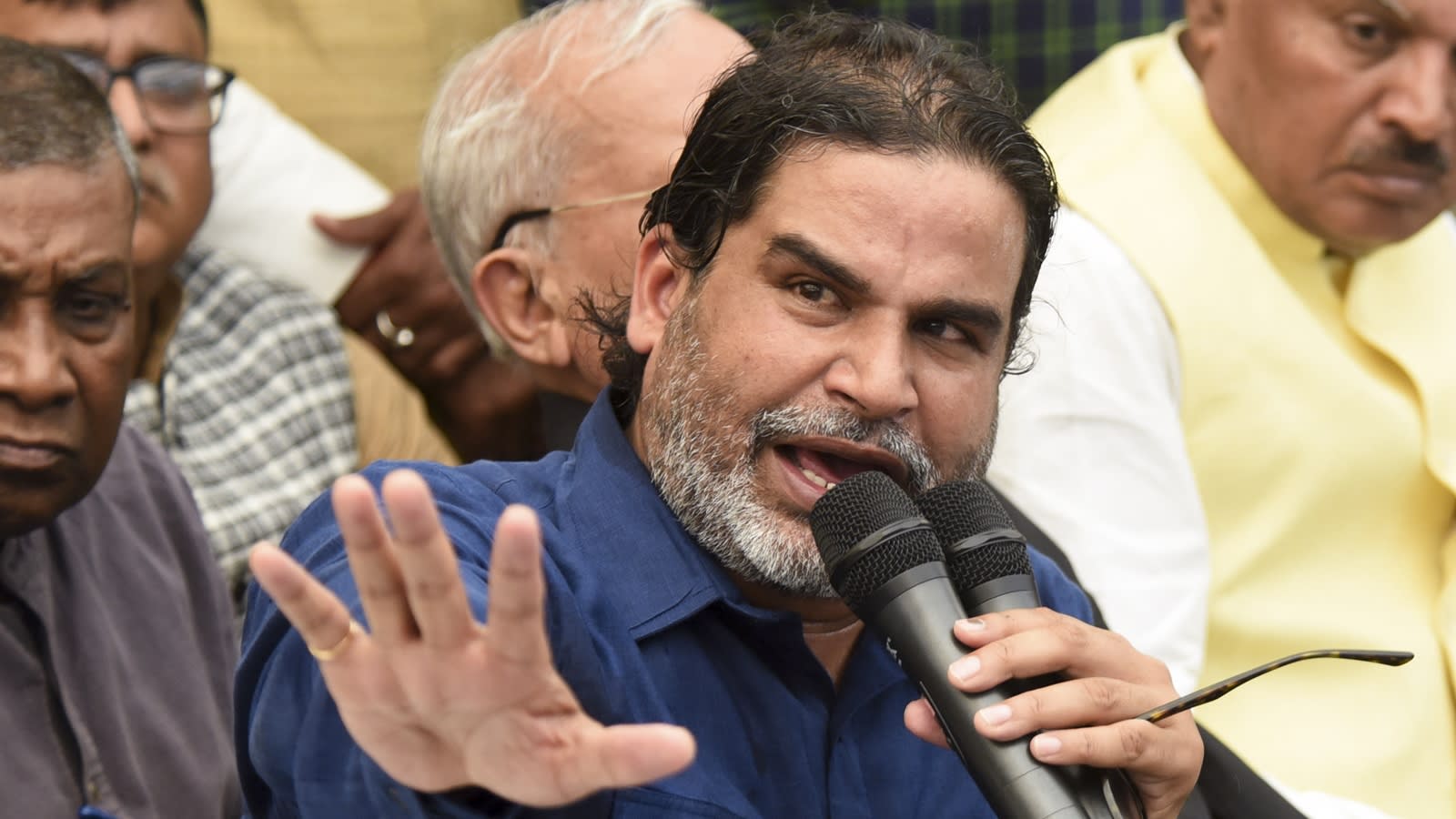
Adding a layer of complexity to this race is the entry of the Jan Suraaj Party. Led by strategist Prashant Kishor, Jan Suraaj represents a new breed of political movement in Bihar, focusing on grassroots mobilization and a narrative of systemic change rather than traditional caste-based arithmetic. By contesting the Bankipur seat, Jan Suraaj is not merely seeking a victory but is attempting to establish its legitimacy as a third pole in a state traditionally dominated by the RJD-JD(U) and BJP axes. Their presence forces traditional parties like Congress to reconsider their strategy, as a multi-cornered contest could dilute the traditional vote banks.
Historical Context of Bihar Bypolls
Historically, by-elections in Bihar serve as critical bellwethers for larger general elections. They are often used by parties to test new narratives, gauge the popularity of local leaders, and assess the strength of alliances. Bankipur, being a significant constituency, offers a window into the current mood of the electorate. For Congress, which has seen its influence wane in the heartland over the last decade, the decision to contest or abstain is a balancing act between maintaining a visible presence and avoiding a demoralizing defeat that could further weaken its morale ahead of future cycles.
Strategic Implications of a Multi-Cornered Contest
The potential for a split in the opposition vote is a primary concern. If Congress fields a candidate, it may inadvertently divide the anti-incumbency vote with Jan Suraaj or other allied parties, potentially clearing a path for the ruling coalition. Conversely, by staying out, Congress risks appearing irrelevant or disconnected from the local struggle. This strategic paralysis reflects a broader trend in Bihar's political landscape where the traditional 'Grand Alliance' dynamics are being challenged by the emergence of independent political movements and shifting loyalties.
Future Trends and Political Forecast
Looking forward, the outcome of the Bankipur bypoll will likely dictate the trajectory of alliance formations in the region. If Jan Suraaj performs strongly, it will validate Prashant Kishor's model of 'bottom-up' political engineering, potentially attracting disgruntled cadres from established parties. For the Congress, the resolution of their current uncertainty will be a signal to their workers about the party's commitment to reclaiming its lost ground in Bihar. The next two weeks will be critical in determining whether the party chooses a path of cautious withdrawal or aggressive competition.
Conclusion
The Bankipur bypoll is more than a localized electoral event; it is a microcosm of the volatility currently defining Bihar's political ecosystem. Between the internal indecision of the Congress and the disruptive ambitions of the Jan Suraaj Party, the race is set to be a high-stakes experiment in voter behavior and strategic alignment. The eventual decision by the Congress state unit will serve as a key indicator of the party's current health and its vision for the state's political future.