BJP calls Congress’s charge against Union Home Minister on FCRA ‘baseless and politically motivated’
Source Entity
India Latest News: Top National Headlines Today & Breaking News | The Hindu
Intelligence Synthesis
AI-Generated Core Insights
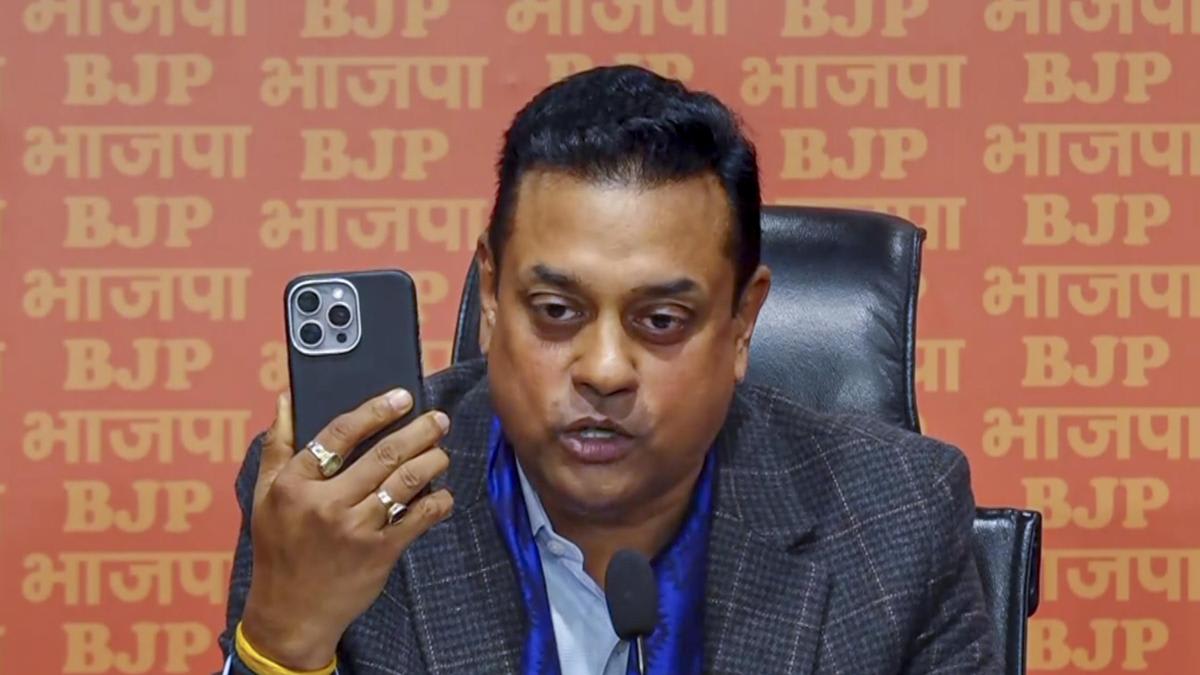
The BJP has dismissed allegations from the Congress party regarding the Union Home Minister's handling of the Foreign Contribution Regulation Act (FCRA), labeling the charges as politically motivated and contrasting the current government's 'high accountability' approach with the previous UPA administration.
Political Friction Over FCRA: BJP vs. Congress
The current political landscape in India has witnessed a sharpening of rhetoric between the Bharatiya Janata Party (BJP) and the Indian National Congress, centered specifically on the administration of the Foreign Contribution Regulation Act (FCRA). The BJP has officially dismissed charges leveled by the Congress against the Union Home Minister, characterizing these accusations as "baseless and politically motivated." This clash highlights a fundamental disagreement over how foreign funding into the country should be monitored and the intent behind the current government's regulatory scrutiny.
Understanding the FCRA Framework
To understand the gravity of this dispute, it is essential to recognize that the FCRA is the primary legislative tool used by the Ministry of Home Affairs to regulate the acceptance and utilization of foreign contributions by individuals or associations. In recent years, the Modi government has tightened the enforcement of these rules, leading to the cancellation of numerous NGO licenses. While the government argues these moves are necessary to prevent foreign interference in domestic affairs, opposition parties, including the Congress, often view these actions as a means to stifle civil society and target organizations critical of the administration.
The Rhetoric of 'High Accountability' vs. 'Low Trust'
Central to the BJP's defense is a strategic narrative shift. By claiming that the Modi government operates on a principle of "high accountability" and "nation first," the BJP is positioning its regulatory crackdown as a matter of national security rather than political vendetta. The specific critique of the UPA government's "low-trust" policy is an attempt to frame the previous administration as negligent or overly permissive, suggesting that a lack of oversight under the Congress-led government may have allowed foreign entities to influence Indian internal politics unchecked.
Implications for Civil Society and Governance
The tension between these two political giants reflects a broader debate on the balance between national security and democratic freedom. When the Congress accuses the Home Minister of misuse, they are tapping into a global concern regarding the shrinking space for non-governmental organizations. Conversely, the BJP's insistence on "nation first" suggests that the state's priority is to ensure that no external funding is used to destabilize the country or promote agendas contrary to national interests. This ideological divide ensures that the FCRA remains a potent political weapon for both sides.
Historical Context of Foreign Funding Regulation
Historically, the regulation of foreign funds has always been a sensitive issue in India, but the intensity of enforcement has fluctuated across different regimes. While previous governments also utilized the FCRA, the current administration has scaled the process through digitalization and more stringent reporting requirements. The BJP's current stance is a continuation of its broader governance philosophy: centralizing oversight to eliminate what it perceives as "leakages" and "hidden agendas" that characterized previous eras of governance.
Future Trends and Political Trajectory
Looking forward, it is highly probable that the FCRA will continue to be a flashpoint in political discourse, especially leading up to major electoral cycles. As the BJP continues to emphasize "accountability," we can expect further audits and a more rigorous vetting process for foreign grants. The Congress and other opposition parties will likely continue to frame these actions as an assault on transparency and dissent. This cycle of accusation and denial serves to solidify the base of both parties by appealing to different priorities: national security for the BJP and democratic pluralism for the Congress.
Conclusion
In summary, the BJP's rejection of the Congress party's charges is not merely a denial of specific allegations but a broader assertion of its governance model. By contrasting its "high accountability" framework with the UPA's perceived "low-trust" approach, the BJP is reinforcing its image as a guardian of national sovereignty. Meanwhile, the Congress's charges highlight the ongoing tension between state regulation and the autonomy of the third sector, ensuring that the FCRA remains at the heart of India's political battleground.
Verification Required?