'Stone pelting, highway blockade': Protest erupts after BJP denies leader bypoll ticket
Source Entity
AMARJEET SINGH
Intelligence Synthesis
AI-Generated Core Insights
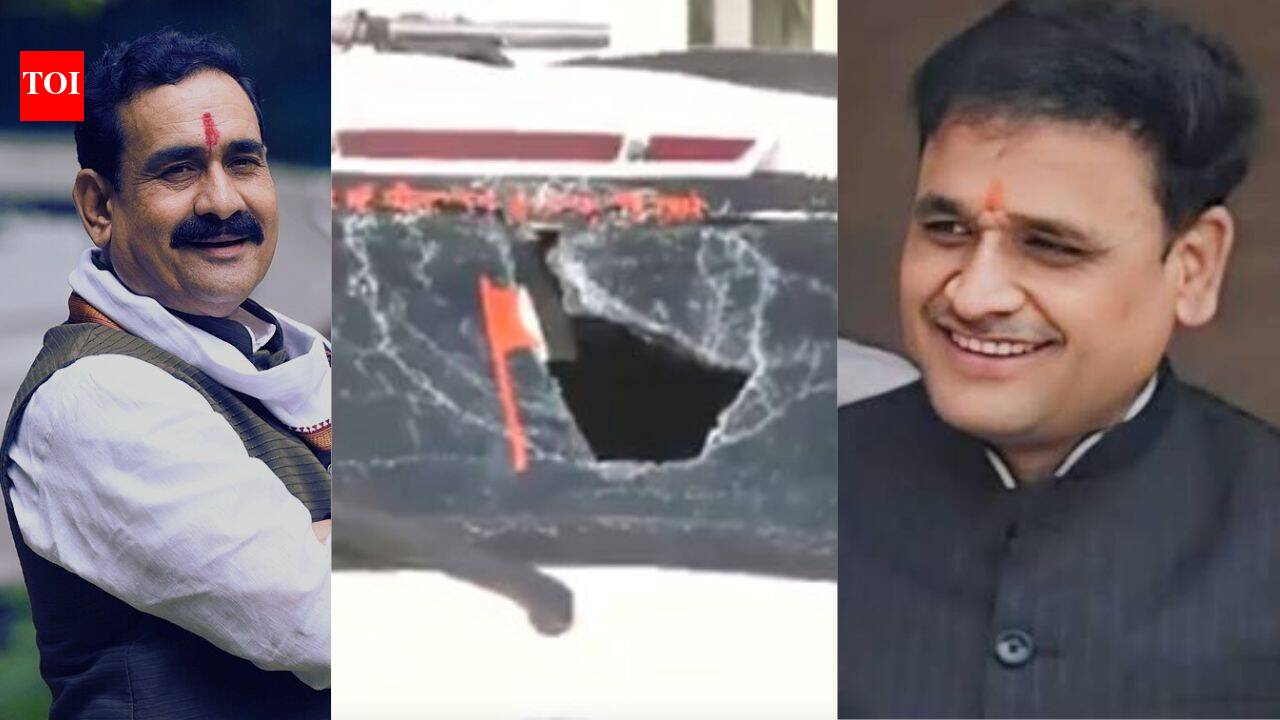
Supporters of BJP leader Narottam Mishra engaged in stone pelting and blocked the Jhansi-Gwalior highway in protest after the party denied him a ticket for the Datia by-election, opting instead for Ashutosh Tiwari.
Internal Turmoil in the BJP: The Datia Bypoll Controversy
The announcement of candidates for the Datia by-election has ignited a volatile situation within the Bharatiya Janata Party (BJP), revealing deep-seated frictions between the party's central decision-making body and its local strongholds. The decision to deny a ticket to Narottam Mishra, a seasoned and influential leader, in favor of Ashutosh Tiwari has shifted from a mere political disagreement to a public law-and-order crisis. This event underscores the precarious nature of candidate selection in high-stakes by-elections, where the perceived slight of a veteran leader can rapidly mobilize a dedicated base into active rebellion.
Escalation to Public Unrest
The reaction from Narottam Mishra's supporters was immediate and aggressive, manifesting in a blockade of the Jhansi-Gwalior highway. This particular stretch of road is a critical transport artery, and its closure caused significant traffic disruptions for several hours on Friday evening. The escalation to stone pelting suggests that the frustration among the supporters transcends simple political disagreement; it reflects a visceral sense of betrayal. When political protests transition from peaceful demonstrations to the blocking of national infrastructure and violent outbursts, it indicates a breakdown in the communication channels between the party leadership and its grassroots workers.
Organizational Fracture and Local Defiance
Beyond the street protests, the internal organizational damage is evident in the resignations submitted by local party office bearers. The decision of these officials to resign in solidarity with Mishra is a critical development, as it suggests a systemic collapse of party discipline in the Datia region. Local office bearers are the primary machinery for election campaigning; their mass departure or defiance effectively cripples the party's ability to mobilize voters for the officially nominated candidate, Ashutosh Tiwari. This internal fracture creates a power vacuum that the opposition is likely to exploit.
The Strategic Risk of Ticket Denial
From a strategic standpoint, the BJP's decision to field Ashutosh Tiwari likely stems from a desire to refresh the party's image or align with specific caste and community demographics within the constituency. However, the backlash highlights the "incumbency of influence" that leaders like Mishra command. In Indian regional politics, loyalty is often tied more to the individual leader than to the party symbol. By sidelining a dominant figure, the party risks the emergence of a "rebel candidate"—a scenario where the denied leader runs as an independent, splitting the party's traditional vote share and potentially handing victory to the opposing coalition.
Historical Context of Candidate Rebellion
This incident follows a recurring pattern in Indian political history where the tension between meritocracy (or strategic selection) and seniority leads to public friction. Historically, when major parties ignore the demands of local strongmen, the result is often a period of instability followed by a negotiated settlement or a significant electoral loss. The intensity of the protests in Datia suggests that Mishra's influence is deeply embedded in the local socio-political fabric, making the party's attempt to pivot to a new candidate a high-risk gamble.
Future Implications for the By-Election
Looking forward, the BJP faces a dual challenge: restoring order on the highways and repairing the rift within its local cadre. If the party does not successfully reconcile with Mishra's camp, the Datia by-election could become a flashpoint for further unrest. The party must now decide whether to double down on Ashutosh Tiwari's candidacy or reconsider its position to prevent a total collapse of its local organizational structure. The outcome of this by-election will likely serve as a barometer for how effectively the party can manage internal dissent without compromising its strategic goals.
Summary
The protests following the denial of a ticket to Narottam Mishra represent more than just a local dispute; they signify a clash between party hierarchy and grassroots influence. With highway blockades, stone pelting, and official resignations, the BJP is facing a critical test of its internal cohesion in Datia, where the risk of vote-splitting and organizational decay could jeopardize the upcoming by-election results.