Follow 'correct script, diction' of national song, anthem: Centre
Source Entity
TNN
Intelligence Synthesis
AI-Generated Core Insights
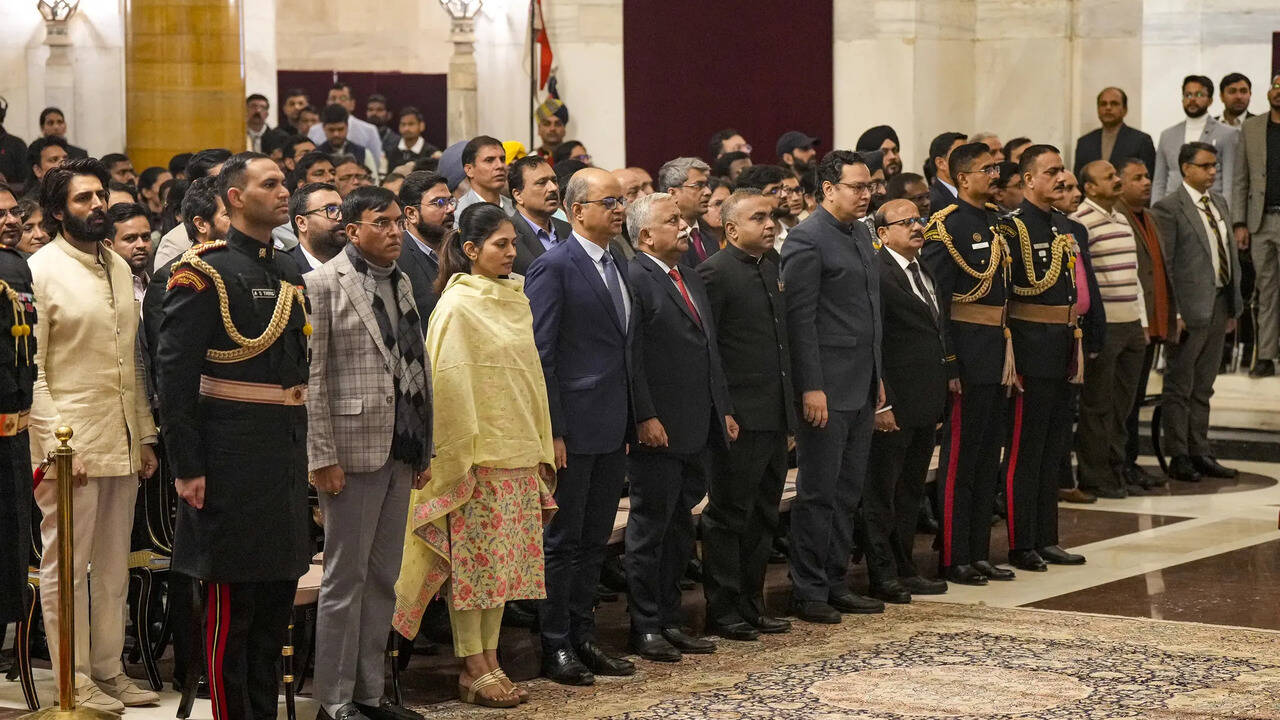
The Central Government has directed all states to strictly adhere to the correct script and diction when performing the national song and anthem, while specifying that state songs must precede national ones during official functions.
Strengthening the Sanctity of National Symbols
The Central Government has issued a formal directive to all states and union territories, emphasizing the critical need for precision in the rendition of the national song and the national anthem. By mandating strict adherence to the "correct script and diction," the Centre aims to eliminate variations and errors that may have crept into official performances over time. This move underscores the government's commitment to maintaining the sanctity and dignity of national symbols, which serve as the primary auditory representations of the nation's identity and sovereignty.
The Push for Linguistic and Phonetic Standardization
The requirement for "correct diction" is not merely a matter of aesthetics but an effort toward national standardization. In a linguistically diverse landscape, the pronunciation of key terms in the national anthem and song can vary significantly across different regions. By providing the official script and pronunciation guides on the Home Ministry's portal, the government is attempting to create a uniform auditory experience across all official functions. This ensures that the emotional and patriotic resonance of these symbols remains consistent, regardless of the region or the organization performing them, thereby preventing any unintended distortions of the original text.
Protocol and the Hierarchy of Symbols
A key component of this directive is the specific sequencing of songs: state songs must now be played before the national song and anthem. This establishes a clear hierarchy of symbols, where the national identity serves as the climax and the ultimate point of reverence in any official gathering. Historically, protocols regarding national symbols are designed to reflect the structure of the state; by placing the national anthem last, the government reinforces the concept of national unity over regional identity, ensuring that the final note of any official event is one of collective sovereignty.
Modernizing Administrative Oversight
The utilization of the Home Ministry's digital portal to disseminate these guidelines reflects a broader trend of digital governance. Moving away from traditional paper circulars to a centralized digital repository allows for real-time updates and easy accessibility for state administrators and organizations. This systemic approach reduces the likelihood of miscommunication and provides a "single source of truth" for protocol, making it easier for the Centre to monitor compliance and for states to implement the instructions swiftly across various government departments.
Historical Context of National Symbolism
National anthems and songs are often the result of deep historical movements and are designed to evoke a sense of shared destiny. Any deviation in script or diction can be perceived as a lack of respect or a dilution of the original intent of the composers. By enforcing a strict script, the government is essentially protecting the historical integrity of these compositions. This mirrors global trends where nations strictly regulate the use of their flags and anthems to prevent political misappropriation or accidental disrespect, ensuring that the symbols remain untainted by contemporary errors.
Future Implications and Enforcement
Looking forward, this directive is likely to lead to increased scrutiny of official events, with potential audits or reprimands for organizations that fail to comply. We can expect a wave of training sessions across state departments to ensure that officials are well-versed in the provided pronunciation guides. Furthermore, this may set a precedent for the standardization of other national symbols, such as the specific proportions of the national flag or the exact phrasing of official oaths, as the government seeks a more cohesive and disciplined national image.
Conclusion
In summary, the Centre's directive is a strategic move to harmonize the performance of national symbols across the country. By combining linguistic precision with a strict hierarchical protocol and leveraging digital tools for dissemination, the government is reinforcing the prestige of the national anthem and song. This initiative ensures that these symbols continue to command the highest level of respect and serve as an unwavering anchor for national identity in an increasingly complex administrative landscape.