Former Union minister Buta Singh’s family wants Congress to declare Channi as Punjab CM face
Source Entity
The Indian Express
Intelligence Synthesis
AI-Generated Core Insights
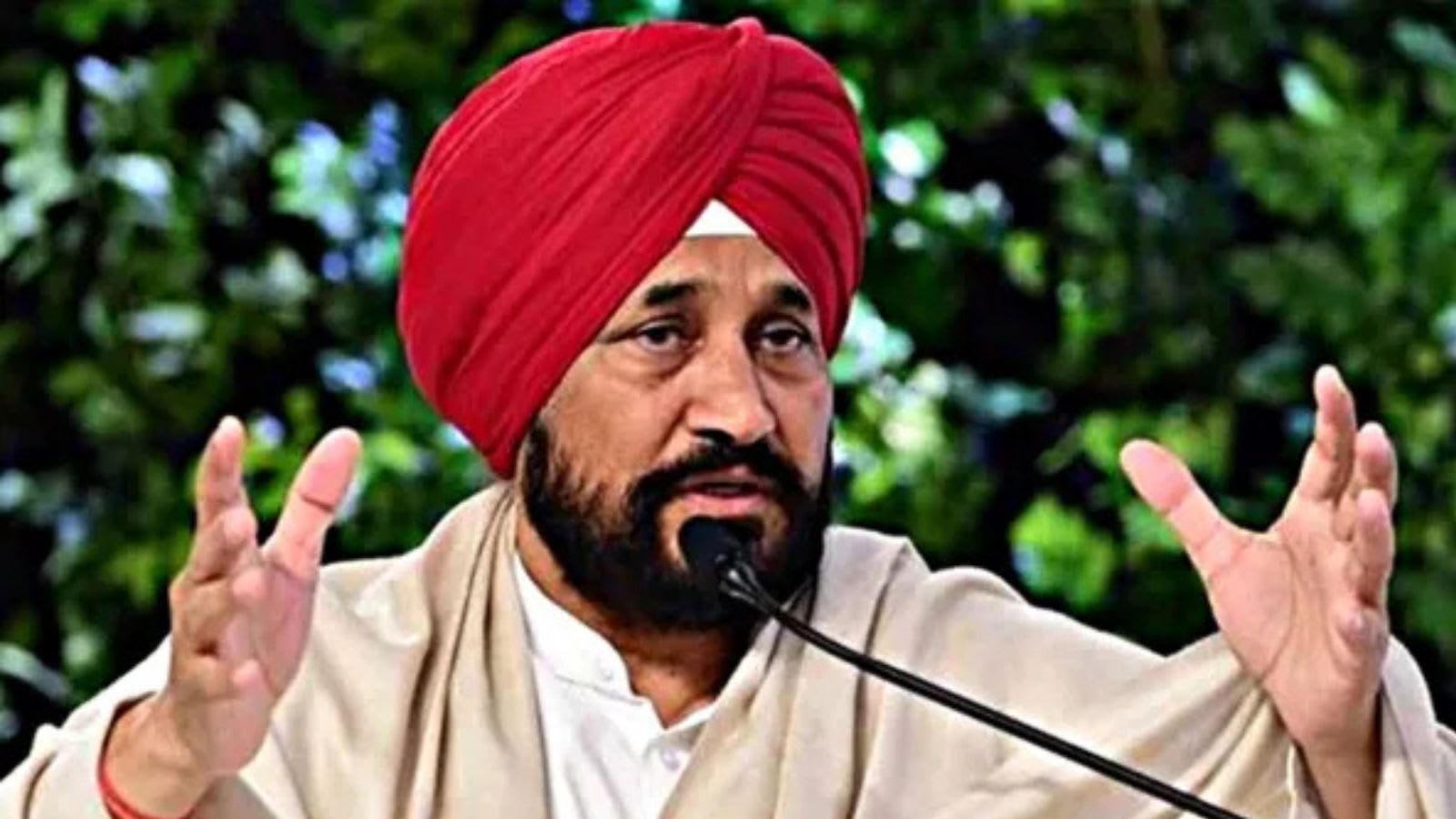
The family of former Union minister Buta Singh is urging the Congress party to designate Charanjit Singh Channi as the Chief Ministerial candidate for Punjab, amid Channi's dissatisfaction over being passed over for the state party presidency in favor of Amrinder Singh Raja Warring.
Internal Power Dynamics in Punjab Congress: The Push for Channi
The political landscape of the Indian National Congress in Punjab is currently navigating a period of significant internal friction and strategic realignment. Recent reports indicate that the family of the late former Union minister Buta Singh is actively lobbying the party's high command to officially declare Charanjit Singh Channi as the face for the Chief Minister's post. This move comes at a critical juncture where the party is attempting to consolidate its base and project a unified front ahead of upcoming electoral challenges. The intervention of Buta Singh's family is not merely a personal request but a strategic attempt to leverage the legacy of a political heavyweight to stabilize the party's leadership structure.
The Channi-Warring Tension and Organizational Friction
At the heart of the current turmoil is the perceived marginalization of Charanjit Singh Channi. Channi is reportedly dissatisfied with the high command's decision to repose faith in Amrinder Singh Raja Warring for the role of state party president. In the complex hierarchy of Indian regional politics, the distinction between the organizational head (Party President) and the electoral face (CM candidate) is often a source of intense rivalry. By denying Channi the presidency, the Congress high command has inadvertently created a power vacuum or a sense of grievance that the Buta Singh family is now attempting to mitigate by securing Channi's status as the primary CM face. This tension highlights a recurring struggle within the party to balance administrative experience with organizational loyalty.
The Role of the High Command and Strategic Interventions
The visit of party official Baghel to Punjab underscores the urgency with which the central leadership is treating these internal disputes. Such high-level visits are typically designed to gauge the mood of local leaders, mediate between warring factions, and ensure that the state unit does not fracture further. Baghel's five-day mission suggests an intensive effort to reconcile Channi's ambitions with the party's broader strategic goals. The high command's reluctance to grant Channi the presidency while simultaneously considering him as a CM face suggests a 'divide and rule' or a 'check and balance' strategy intended to prevent any single leader from becoming too powerful within the state unit.
Historical Context of Leadership Volatility in Punjab
To understand the current instability, one must look at the historical volatility of the Congress party in Punjab. The state has seen a pattern of leadership clashes, most notably the fallout between the party high command and former CM Captain Amarinder Singh, which eventually paved the way for Channi's elevation. The transition of power in Punjab Congress has rarely been seamless, often characterized by sudden removals and the elevation of 'dark horse' candidates. This history of instability has left the party vulnerable, as factions continue to vie for dominance, often prioritizing internal positioning over cohesive electoral strategy.
Broader Implications for the Electoral Outlook
The inability to decisively name a leader can have detrimental effects on voter perception. In Punjab, where strong, decisive leadership is often prized, a visible rift between the party president and the potential CM face can be interpreted as a sign of weakness. If Channi remains unhappy, there is a risk of passive resistance within the party ranks or the emergence of a parallel power center. Conversely, if the party yields to the demands of the Buta Singh family and declares Channi the CM face, it may alienate other ambitious leaders like Raja Warring, potentially leading to further fragmentation.
Future Trends and Predictions
Looking ahead, the Congress party will likely attempt a compromise that offers Channi significant influence without granting him absolute control over the organization. We can expect a series of 'consensus-building' meetings where the high command tries to convince Channi that the CM face designation is a more prestigious and powerful role than the party presidency. However, the long-term stability of the Punjab Congress depends on whether they can move beyond personality-driven politics and establish a meritocratic leadership structure. Until a clear, undisputed leader emerges who can command the loyalty of all factions, the party will likely continue to struggle with internal coherence in the face of strong regional opposition.