Congress' Venugopal questions PM Modi's silence on Ayodhya embezzlement, calls it ‘biggest loot of a shrine in India’
Source Entity
Latest News: Today's Latest News Headlines from India & World | Hindustan Times | Hindustan Times
Intelligence Synthesis
AI-Generated Core Insights
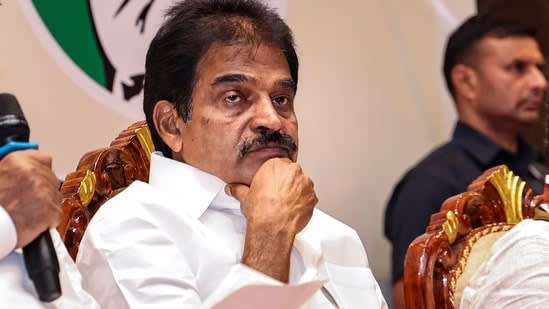
Congress leader K C Venugopal has accused the BJP and RSS of embezzling donations intended for the Ayodhya Ram Temple, describing the alleged fraud as the 'biggest loot of a shrine in India' and questioning PM Modi's silence on the matter.
Political Firestorm Over Ayodhya Temple Donations
The political landscape in India has been reignited following sharp allegations by Congress leader K C Venugopal, who has accused the Bharatiya Janata Party (BJP) and the Rashtriya Swayamsevak Sangh (RSS) of systemic embezzlement of funds donated for the construction of the Ram Temple in Ayodhya. By labeling the situation the "biggest loot of a shrine in India," Venugopal is not merely questioning financial accounting but is launching a direct assault on the moral and administrative integrity of the ruling dispensation. This accusation targets the intersection of faith and finance, aiming to pivot the narrative from the spiritual triumph of the temple's completion to a discourse on corruption and lack of transparency.
The Nexus of Faith and Financial Accountability
At the heart of this controversy is the management of the massive influx of donations that poured in from millions of devotees across the globe. The Ram Temple project was not just a construction effort but a global fundraising campaign of unprecedented scale. Venugopal's demand for accountability highlights a critical tension: while the temple is a symbol of cultural resurgence for many, the opposition views the lack of a public, detailed audit of these funds as a red flag. By questioning Prime Minister Narendra Modi's silence, the Congress party is attempting to frame the PM not as the architect of a cultural revival, but as a silent overseer of financial irregularities.
Strategic Political Implications
This move by the Congress party is a calculated strategic maneuver. For years, the BJP has successfully utilized the Ayodhya narrative to consolidate its electoral base. By introducing the theme of "embezzlement," the opposition is attempting to alienate a segment of the devout population who may feel betrayed if their contributions were misappropriated. This shift transforms the Ram Temple from an untouchable symbol of faith into a subject of political and financial scrutiny, potentially neutralizing the emotional advantage the BJP holds in the Hindi heartland.
Historical Context of Shrine Management
Historically, the management of major religious sites in India has often been fraught with disputes over trust administration and the utilization of funds. From the Waqf boards to the various Temple Trusts managed by state governments, the transparency of "shrine funds" has been a recurring point of contention in Indian politics. By framing this as the "biggest loot," Venugopal is attempting to place the Ayodhya case above all previous scandals, suggesting that the scale of the Ram Temple donations makes the potential for fraud uniquely catastrophic compared to previous religious trust controversies.
Predicting Future Trends and Electoral Fallout
Looking forward, this allegation is likely to trigger a series of demands for official audits or the filing of Right to Information (RTI) requests regarding the Ram Janmabhoomi Teerth Kshetra trust. We can expect the BJP to dismiss these claims as politically motivated attacks on a sacred project, likely doubling down on the spiritual significance of the temple to drown out the financial queries. However, if the opposition can produce specific evidence or sustain the narrative of financial opacity, it could create a significant fissure in the government's image of "clean governance" (Sushasan).
Conclusion
In summary, K C Venugopal's allegations represent a bold attempt by the Congress party to challenge the BJP on its most potent ideological ground. By linking the sacred site of Ayodhya to allegations of embezzlement, the opposition is seeking to shift the public conversation from religious victory to institutional accountability. Whether these claims will gain traction depends on the ability of the opposition to move beyond rhetoric and the willingness of the government to provide transparent financial disclosures regarding the temple's funding.
Verification Required?