5,000 books, 1 cr e-books: Delhi gets a tech-enabled public library
Source Entity
Drishti Jain
Intelligence Synthesis
AI-Generated Core Insights
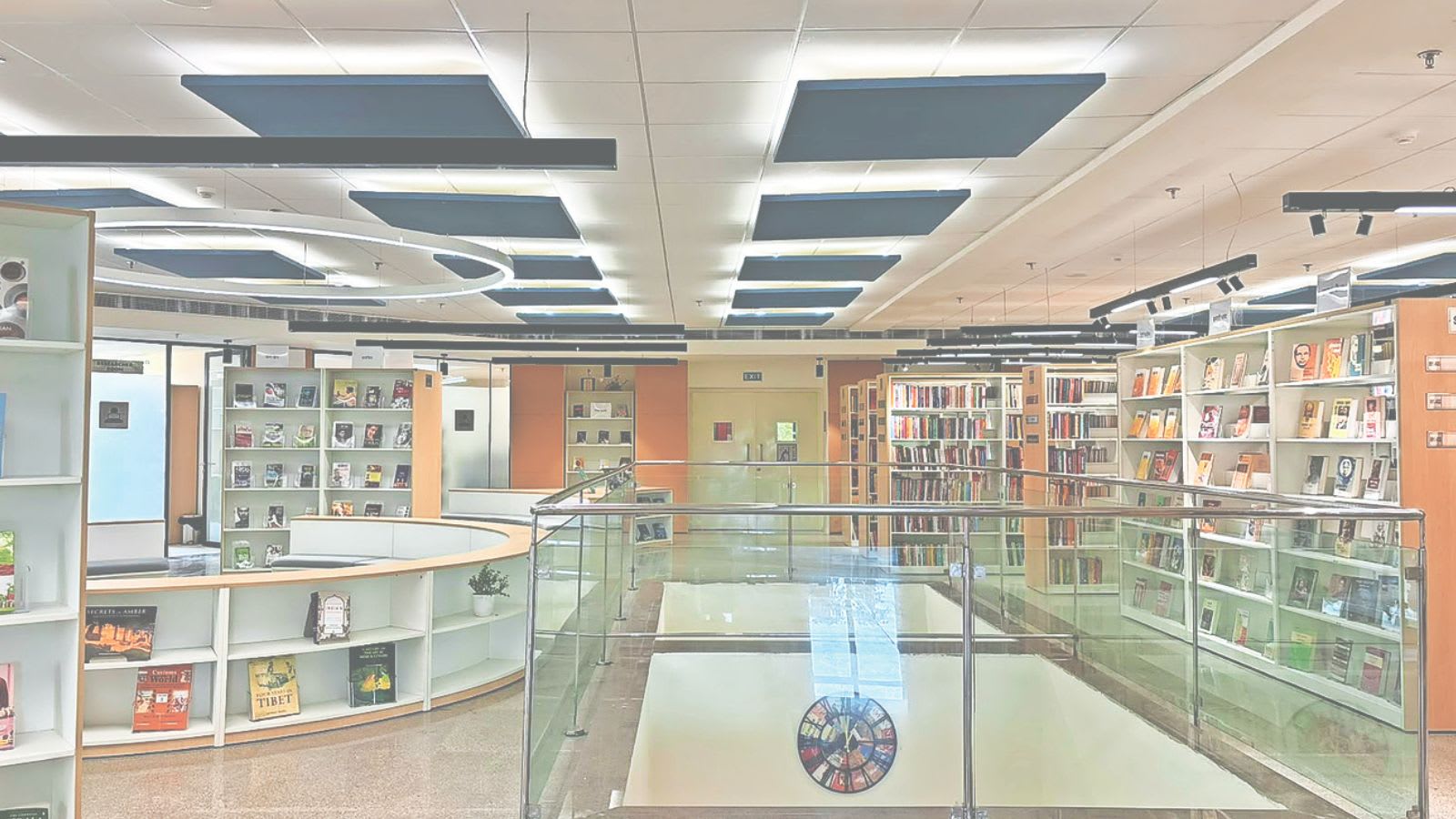
Delhi has launched the tech-enabled Jayaprakash Narayan Public Library, featuring 35,000 physical books, access to 10 million e-books, RFID kiosks, and facial recognition membership to modernize public access to knowledge.
A New Era of Knowledge in Delhi
The inauguration of the Jayaprakash Narayan Public Library marks a significant milestone in Delhi's commitment to modernizing public infrastructure and democratizing access to information. As urban centers globally transition into "smart cities," the integration of high-end technology into essential public services is becoming a necessity rather than a luxury. This library represents a sophisticated hybrid model of learning, blending the tactile experience of traditional reading with the vast, limitless scale of digital repositories.
Bridging the Digital Divide with Massive E-Book Access
One of the most striking features of this new facility is its digital reach. While the physical collection consists of 35,000 books, the library provides access to nearly one crore (10 million) e-books. This massive digital library is a strategic move to address the physical constraints of urban real estate. In a densely populated metropolis like Delhi, expanding physical shelf space is often unfeasible; however, by pivoting toward a robust e-book ecosystem, the library can offer a global breadth of knowledge to local citizens without the need for massive physical footprints.
Advanced Automation: RFID and Facial Recognition
Beyond the content, the library's operational framework is heavily tech-driven. The implementation of RFID (Radio Frequency Identification) self-issue kiosks streamlines the borrowing process, reducing the administrative burden on staff and minimizing wait times for patrons. Even more cutting-edge is the use of facial recognition for membership management. This biometric approach not only enhances security but also provides a seamless, frictionless entry and identification process, reflecting a broader trend of utilizing biometric data to simplify public service interactions in the digital age.
Creating Specialized Ecosystems for Learners
Recognizing the unique demographic needs of Delhi, the library includes dedicated spaces for students and researchers. Delhi serves as a primary educational hub for much of North India, attracting millions of students from various socioeconomic backgrounds. By providing quiet, tech-enabled study zones, the Jayaprakash Narayan Public Library serves as a vital social equalizer, offering a conducive environment for academic rigor that many students might lack in their own crowded living conditions.
The Shift Toward Hybrid Public Institutions
The launch of this facility signals a paradigm shift in how public institutions are viewed in India. We are moving away from the concept of the library as a mere warehouse for books and toward a "knowledge hub" concept. This evolution requires a significant investment in both digital infrastructure and cybersecurity to protect user data, especially with the inclusion of facial recognition technology. As more municipalities look to replicate this model, the focus will likely shift toward maintaining high-speed connectivity and digital literacy training for the public.
Summary of Impact
In conclusion, the Jayaprakash Narayan Public Library is more than just a repository of literature; it is a blueprint for the future of public utility in the 21st century. By combining a respectable physical collection with an astronomical digital library and cutting-edge automation, Delhi is setting a high standard for urban intellectual infrastructure. As these technologies mature, the integration of AI-driven recommendations and augmented reality learning could be the next logical step in this ongoing digital evolution.