Researchers discover three new species of rare jumping spiders
Source Entity
India Latest News: Top National Headlines Today & Breaking News | The Hindu
Intelligence Synthesis
AI-Generated Core Insights
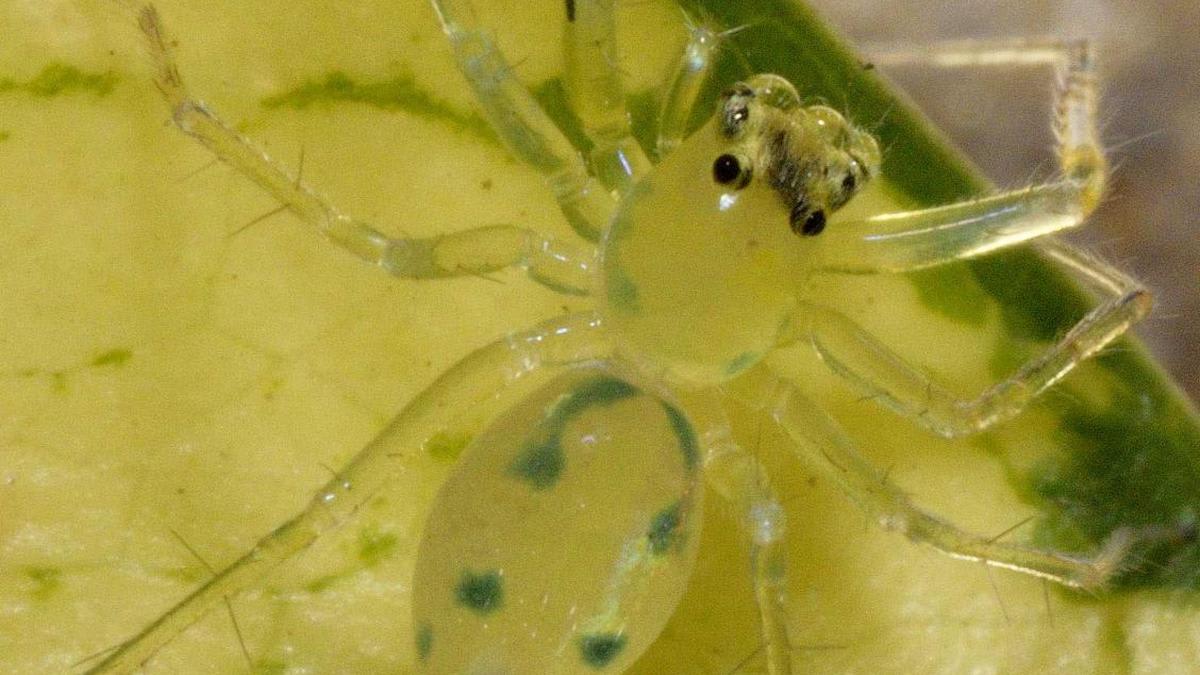
Researchers from India and Sri Lanka have discovered three new species of the rare jumping spider genus Onomastus in the Western Ghats, specifically within the Brahmagiri Hills and Silent Valley National Park.
A Significant Breakthrough in Arachnology
In a landmark discovery for tropical biology, a collaborative team of researchers from India and Sri Lanka has identified three previously unknown species of the jumping spider genus Onomastus. This discovery, centered in the ecologically rich regions of the Brahmagiri Hills, Wayanad, and the Silent Valley National Park, underscores the immense and still largely undocumented biodiversity present in the Western Ghats. The identification of these rare spiders provides critical data points for taxonomists attempting to map the evolutionary history of the Salticidae family in South Asia.
The Taxonomic Importance of Onomastus
The genus Onomastus represents a specialized group of jumping spiders that often occupy very specific ecological niches. Unlike many common jumping spiders that are highly visible and adaptable, species within this genus are often more reclusive, making their discovery a testament to the rigorous field methods employed by the research team. By documenting these three new species, scientists are able to better understand the morphological variations and evolutionary divergence that occur within the genus, helping to refine the phylogenetic trees that categorize arachnid life.
This discovery is not merely an addition to a list of species; it is a vital piece of a larger biological puzzle. Each new species provides clues regarding how environmental factors, such as humidity, canopy cover, and leaf litter composition, influence the diversification of small predators. The collaborative nature of this research—involving experts from both India and Sri Lanka—highlights the importance of trans-boundary scientific cooperation in studying organisms that may share evolutionary lineages across the Indian Ocean region.
The Western Ghats: A Biodiversity Stronghold
The specific locations mentioned—the Brahmagiri Hills and Silent Valley National Park—are part of the Western Ghats, a global biodiversity hotspot. These areas are characterized by high levels of endemism, meaning many species found here exist nowhere else on Earth. The discovery of new Onomastus species in these specific micro-habitats suggests that the complex topography and varied microclimates of the Western Ghats continue to act as evolutionary laboratories, fostering the development of unique biological lineages.
However, the presence of such rare and niche-specific species also highlights the vulnerability of these ecosystems. The fact that these spiders remained undiscovered until recently suggests that they may exist in very small, localized populations. Such high levels of specialization make them particularly susceptible to habitat fragmentation and climate change. If the delicate balance of the Silent Valley or the Brahmagiri Hills is disrupted, these newly discovered species could face extinction before their full biological roles are even understood.
Conservation Implications and Future Trends
Moving forward, this discovery serves as a powerful argument for the expansion and strengthening of protected areas within the Western Ghats. As researchers continue to utilize advanced techniques such as DNA barcoding and high-resolution imaging, it is highly probable that more cryptic species will be identified. This ongoing process of discovery creates a race against time: scientists must document these species and their habitats before anthropogenic pressures, such as agricultural expansion and infrastructure development, permanently alter the landscape.
In conclusion, the identification of three new Onomastus species is a significant achievement that reinforces the status of the Western Ghats as a critical zone for biological research. It reminds the scientific community of the vast mysteries remaining in the natural world and the urgent necessity of preserving the specialized habitats that allow such unique life forms to thrive. The work of the Indian and Sri Lankan researchers provides a foundational step toward a more comprehensive understanding of South Asian arachnid diversity.
Verification Required?