FIFA puts World Cup final pitch up for sale at Rs. 42,989 per piece
Source Entity
TOI SPORTS DESK
Intelligence Synthesis
AI-Generated Core Insights
FIFA has sparked significant backlash from fans and players by selling pieces of the World Cup final pitch for $450 (approx. Rs. 42,989), amid reports of poor turf quality and skyrocketing ticket prices.
The Commercialization of the Beautiful Game: Analyzing the FIFA Pitch Sale Controversy
FIFA's recent decision to market pieces of the World Cup final turf for USD 450 (approximately Rs. 42,989) has ignited a firestorm of criticism across the sporting world. What was intended as a high-end memorabilia offering has instead become a symbol of the growing disconnect between football's governing body and its global community. The initiative is not merely a pricing issue but a multifaceted controversy involving product quality, economic accessibility, and perceived corporate greed.
The Irony of Monetizing Subpar Quality
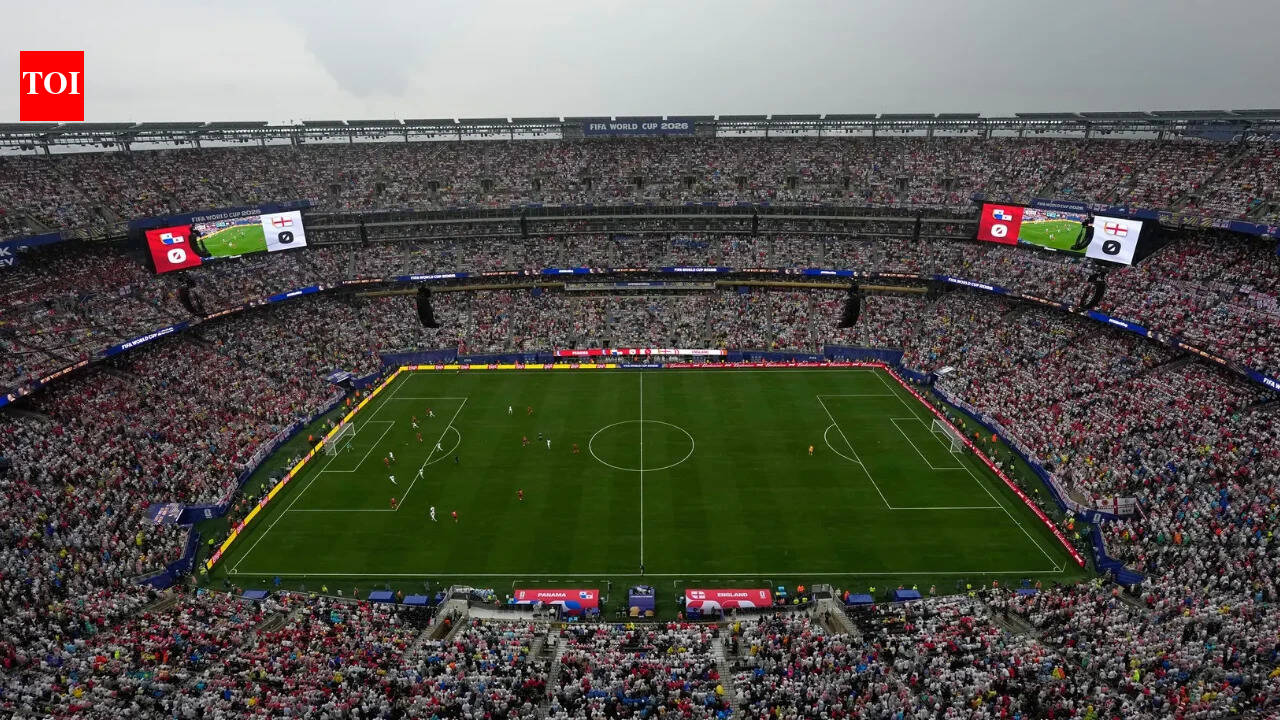
One of the most striking aspects of this controversy is the timing and the nature of the product being sold. According to reports, the turf used during the final was plagued by an irregular texture, leading to complaints from the very athletes whose performance depended on the surface. By attempting to sell pieces of a pitch that was deemed poor in quality, FIFA is facing accusations of opportunistic monetization. In professional football, the pitch is more than just a surface; it is a critical component of player safety and game dynamics. Selling a flawed product at a premium price point suggests a lack of regard for the technical standards of the sport.
Economic Barriers and the 'Pricing Out' of Fans
This memorabilia sale does not exist in a vacuum; it coincides with a broader trend of skyrocketing ticket prices for the tournament. For many lifelong supporters, the World Cup represents a pinnacle of cultural identity and passion. However, the combination of unattainable ticket costs and the high price of official merchandise like the turf pieces indicates a shift toward an elitist model of sports consumption. When the cost of entry and the cost of remembrance both surge, the 'people's game' risks becoming an exclusive luxury for the wealthy, alienating the grassroots fan base that fuels the sport's popularity.
Geopolitical Exclusion in Distribution
Further compounding the outrage is FIFA's decision to limit shipping of the turf pieces to customers in the United States and Europe. This restriction is particularly tone-deaf given that football's most fervent supporters are often located in South America, Africa, and Asia. By excluding these regions from the purchase, FIFA has effectively signaled a preference for Western markets, mirroring historical criticisms of the organization's perceived Eurocentric biases. This logistical limitation transforms a commercial venture into a point of geopolitical frustration, reinforcing the feeling that global inclusivity is secondary to logistical convenience and profit margins in wealthy regions.
Impact on Player Relations and Brand Integrity
The backlash from players is perhaps the most damaging element for FIFA. Players are the primary stakeholders in the game's integrity; when they voice concerns over the quality of the pitch, it is typically a matter of injury prevention and professional standards. For FIFA to then pivot and sell that same subpar surface as a collectible is seen by many as an insult to the athletes' professionalism. This tension could lead to increased friction between player unions and the governing body, potentially sparking demands for more rigorous pitch certifications and transparency in how tournament revenues are managed.
Future Implications and Conclusion
Looking forward, this episode serves as a cautionary tale regarding the limits of sports commercialization. As FIFA continues to expand the scale of its tournaments, it will likely face increased scrutiny over its pricing strategies and the quality of its infrastructure. Future hosts may be pressured to provide higher-quality facilities to avoid similar PR disasters, and fans may demand more equitable access to memorabilia and ticketing. In summary, the sale of the World Cup pitch is a microcosm of a larger struggle within modern football: the tension between the pursuit of maximal profit and the preservation of the sport's inclusive, passionate spirit.