Total surrender by India in England, Shreyas Iyer’s team swept 4-0
Source Entity
Shankar Narayan
Intelligence Synthesis
AI-Generated Core Insights
India's T20I campaign in England ended in disaster as Shreyas Iyer's side suffered a 4-0 whitewash in Southampton, exposing deep tactical flaws and an inability to adapt to English conditions.
The Southampton Slaughter: India's 4-0 T20I Whitewash
A Crushing Blow to Indian T20 Ambitions
The Indian T20 international squad, led by Shreyas Iyer, has faced one of its most demoralizing defeats in recent history. A clinical 4-0 series sweep by England in Southampton has left the visitors reeling, signaling a profound gap in tactical execution and adaptability to English conditions. This series was not merely a loss of matches, but a systemic failure to counter the aggressive, high-octane brand of cricket currently being played by the hosts, resulting in what many are calling a "total surrender."
Tactical Disconnect and the Phil Salt Factor
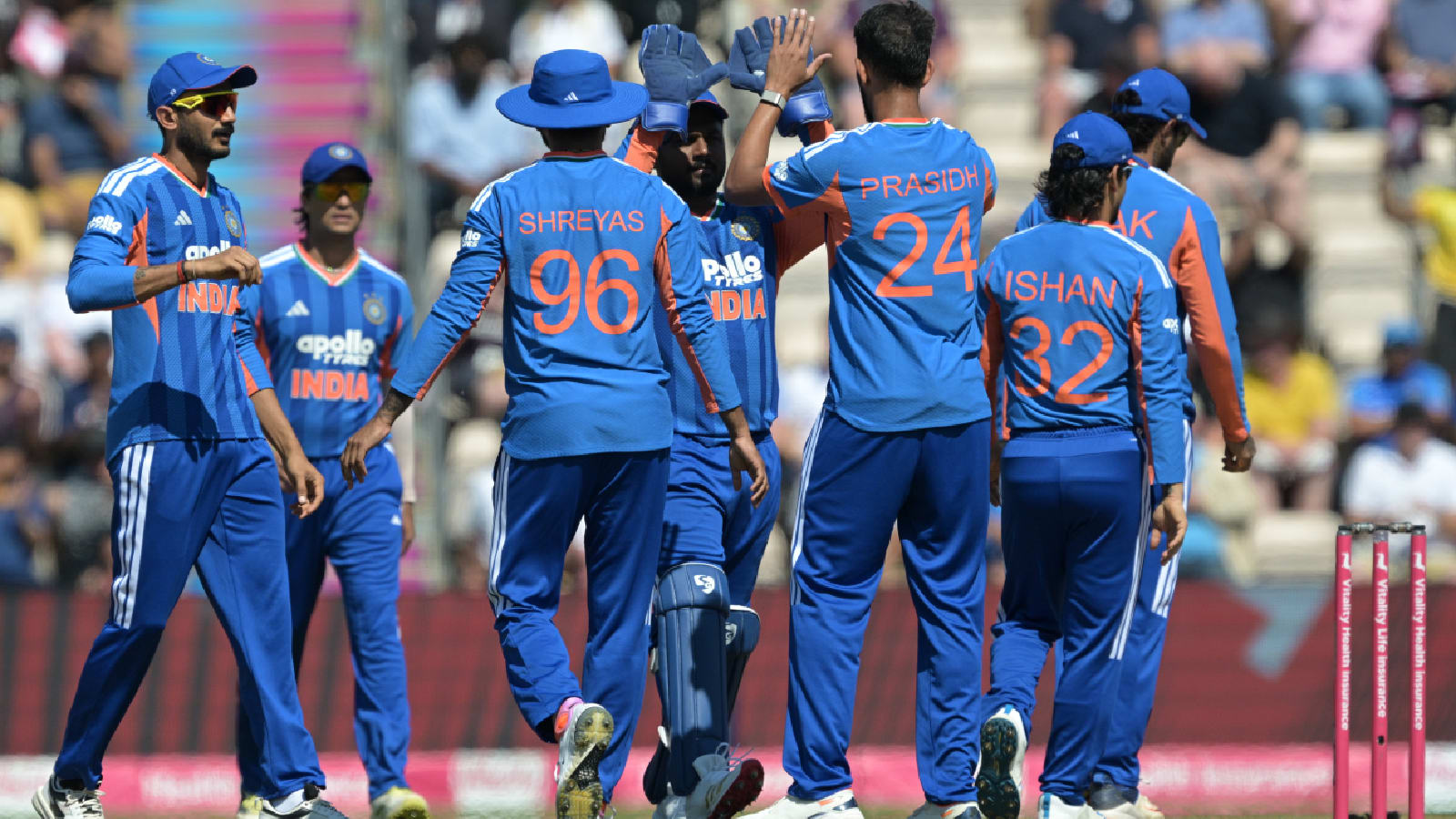
While individual moments of brilliance occurred—such as the Indian bowlers successfully taking the wicket of England's dangerous Phil Salt—these isolated successes were insufficient to stem the tide of English dominance. The ability of the English batters to rebuild quickly after losing key wickets suggests that India's bowling attack lacked the sustained pressure required to stifle momentum. In T20 cricket, the ability to take wickets in clusters is vital; however, India's inability to capitalize on early breakthroughs allowed England to dictate the tempo of every single encounter in the series.
Historical Context: Struggling in English Conditions
Historically, Indian teams have often grappled with the nuances of English pitches, which offer significantly different bounce and swing compared to the slower, turning tracks of the subcontinent. This 4-0 sweep underscores a recurring theme where Indian players struggle to transition their skills to the seam-friendly, dynamic environments of the United Kingdom. The heavy defeat in Southampton highlights a critical need for a fundamental shift in how the national team prepares for overseas tours in the northern hemisphere, particularly regarding swing bowling and playing pace on the front foot.
Leadership Under Fire: The Iyer Era
For captain Shreyas Iyer, this series represents a significant test of leadership and strategic foresight. Leading a team to a total whitewash in a high-profile series puts immense pressure on both the captaincy and the coaching staff. The decisions regarding bowling rotations, field placements, and middle-order stability will undoubtedly come under intense scrutiny from selectors and fans alike. The perceived lack of resilience during critical match junctures suggests a struggle to maintain composure when the match situations became volatile.
Future Implications and Squad Reconstruction
Looking ahead, this series loss is likely to trigger a period of intense introspection and potential restructuring within the Indian T20 setup. With major international tournaments on the horizon, the management cannot afford such lopsided results. We can expect to see a push for more specialized players who are better equipped for overseas conditions, potentially prioritizing seam-bowling all-rounders and batters with higher strike rates against high-velocity pace. The roadmap for the squad must now prioritize adaptability to ensure such a sweep does not repeat on the global stage.
Conclusion: A Necessary Wake-Up Call
In summary, the 4-0 defeat in England is a stark wake-up call for Indian cricket. While the individual efforts of players were evident, the collective failure to adapt and compete throughout the series marks a low point for this iteration of the squad. To regain their status as T20 giants, India must address the tactical and technical shortcomings exposed on the grounds of Southampton and rebuild a squad capable of winning in any environment.