‘One body proved too heavy for the State’: Jaswant Singh Khalra’s daughter on Satluj, OTT ban, and his custodial murder
Source Entity
Divya Goyal
Intelligence Synthesis
AI-Generated Core Insights
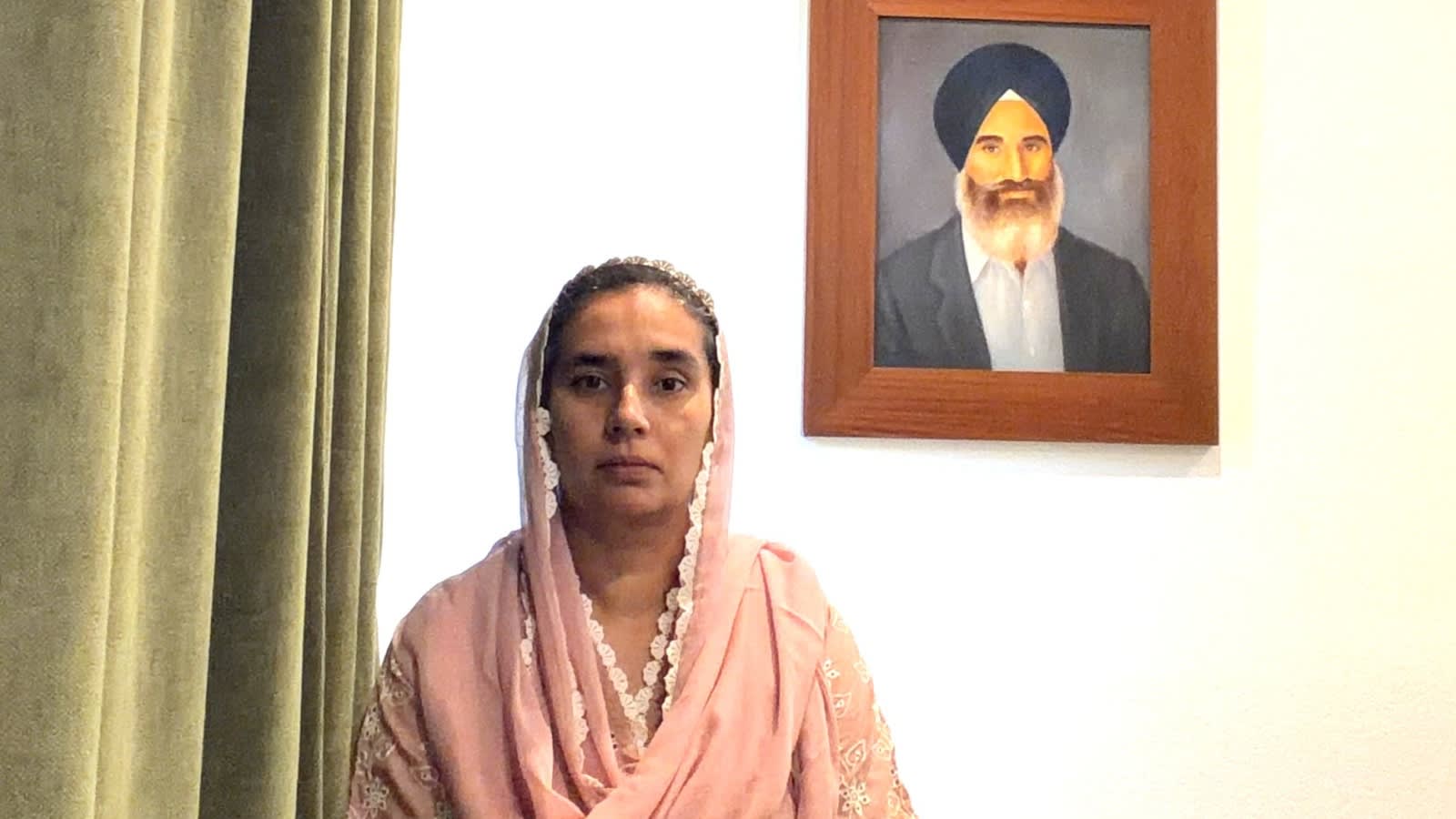
Navkiran Kaur Khalra reflects on the custodial murder of her father, human rights activist Jaswant Singh Khalra, and the ongoing struggle against state censorship, specifically regarding the ban on an OTT series depicting his work uncovering mass disappearances in Punjab.
The Weight of Truth: The Legacy of Jaswant Singh Khalra and the Battle Against Erasure
The poignant reflection by Navkiran Kaur Khalra regarding the death of her father, Jaswant Singh Khalra, serves as a harrowing reminder of the cost of truth-seeking in the face of state power. The phrase 'One body proved too heavy for the State' encapsulates the paradox of state violence: while a regime may possess the machinery to eliminate an individual, it often lacks the capacity to erase the truth that the individual uncovered. Jaswant Singh Khalra was not merely a victim of custodial murder; he was a catalyst for accountability during one of the darkest chapters of Punjab's history.
The Crusade Against Disappearances
To understand the significance of Khalra's work, one must look at the historical context of the Punjab insurgency in the 1980s and 90s. During this period, thousands of young men disappeared, often picked up by security forces without trial or record. Khalra, a human rights activist, undertook the monumental task of documenting these 'disappeared' persons. By meticulously tracking records and identifying clandestine cremation grounds, he exposed the systemic nature of extrajudicial killings. His work turned a whispered tragedy into a documented crime, challenging the official narrative of the state and providing closure—and a voice—to thousands of grieving families.
State Retaliation and Custodial Murder
The state's response to Khalra's revelations was brutal and decisive. On September 6, 1995, Khalra was abducted and subsequently murdered in police custody. This act was not a random occurrence but a calculated attempt to silence a man who had become a living archive of state atrocities. The custodial nature of his death highlights a systemic failure of the rule of law, where the very institutions tasked with maintaining order became the perpetrators of lawlessness. For Navkiran and her brother Janmeet, this event transformed their childhood into a lifelong struggle for justice, as they navigated the trauma of loss while inheriting their father's commitment to human rights.
The Digital Front: The OTT Ban and Modern Censorship
Decades later, the battle for Jaswant Singh Khalra's legacy has moved from the streets and courts to the digital screen. The mention of a ban on an OTT (Over-the-Top) series—likely 'Satluj'—indicates that the state remains uncomfortable with the public recollection of these events. By attempting to censor media portrayals of Khalra's life and the mass disappearances, the state employs a modern form of erasure. This censorship suggests that the 'weight' of the truth continues to be a burden for the establishment, as streaming platforms allow these narratives to bypass traditional state-controlled media and reach a global, younger audience.
Broader Implications for Human Rights and Free Speech
This ongoing conflict reflects a broader trend in contemporary politics where the state seeks to control historical memory. The tension between artistic expression on OTT platforms and state-imposed bans illustrates a growing friction in the democratic fabric of India. When the state suppresses stories of custodial violence, it does more than silence a dead man; it sends a chilling message to current human rights defenders. The struggle for 'Satluj' to be seen is, therefore, not just about a television show, but about the right of a society to confront its past in order to prevent the recurrence of such atrocities.
Conclusion: The Enduring Struggle for Justice
In conclusion, the story of Jaswant Singh Khalra is a testament to the enduring power of documentation and memory. From the physical discovery of mass graves to the digital fight against censorship, the trajectory of this case shows that truth is an iterative process. Navkiran Kaur Khalra's persistence ensures that her father's sacrifice was not in vain. As long as the state continues to fear the narrative of the 'disappeared,' it inadvertently confirms the validity of Khalra's work. The quest for justice for Jaswant Singh Khalra remains a pivotal symbol for the fight against impunity and the pursuit of transparency in governance.