Court lets US Green Card holder depose via video in late husband’s will case
Source Entity
Mustafa Plumber
Intelligence Synthesis
AI-Generated Core Insights
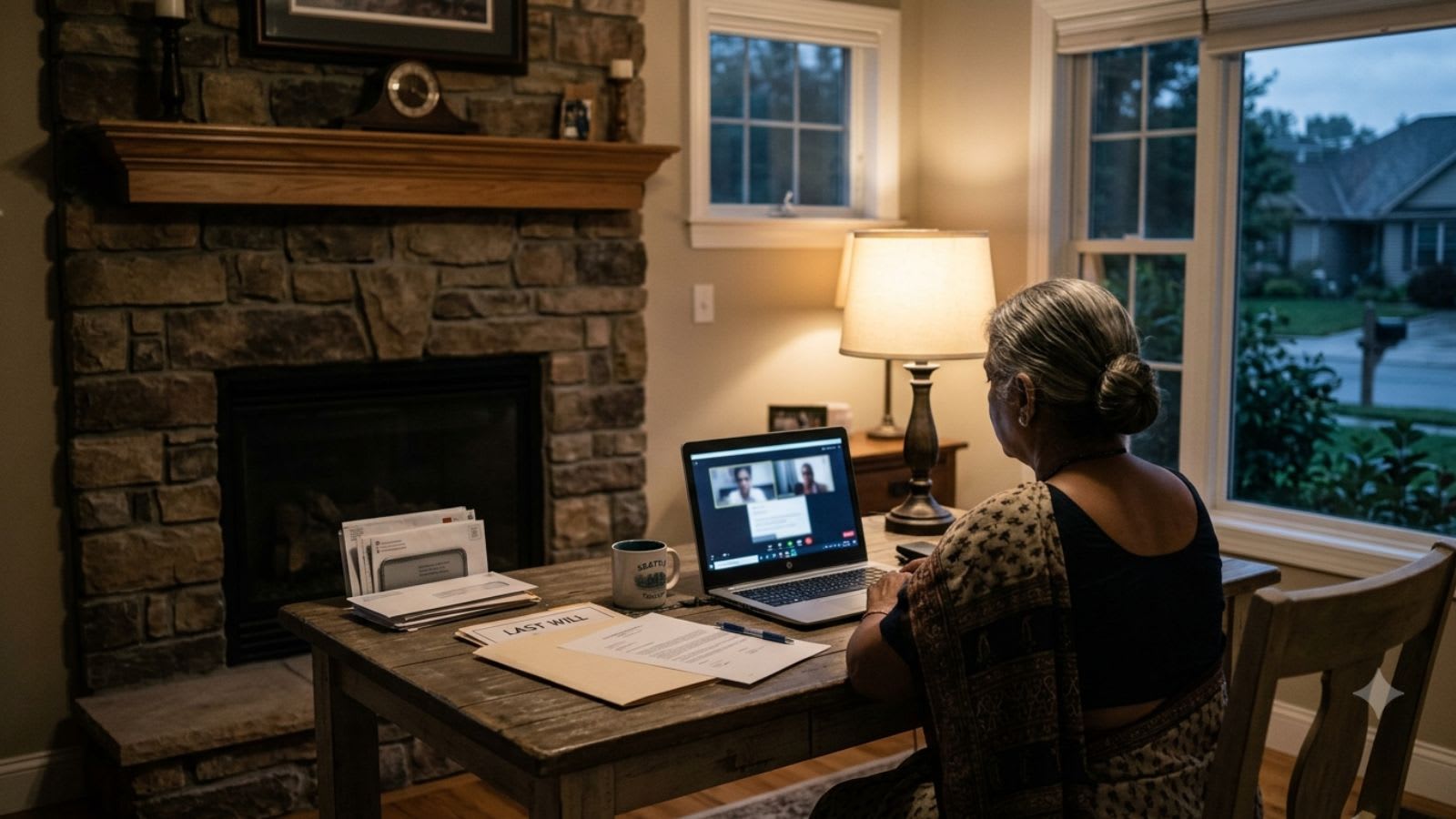
The Karnataka High Court has permitted Rekha Gupta, a US Green Card holder residing with her son in the United States, to provide her deposition via video conferencing in a legal case concerning her late husband's will.
Legal Modernization: Karnataka High Court Facilitates Remote Testimony
In a significant move toward judicial accessibility, the Karnataka High Court has granted permission to Rekha Gupta, a US Green Card holder, to depose via video conferencing in a legal dispute regarding her late husband's will. The decision comes after Gupta's legal counsel informed the court that she had relocated to the United States to reside with her son following the passing of her spouse. This ruling highlights the judiciary's increasing willingness to adapt to the realities of a globalized population, where critical witnesses and litigants often reside thousands of miles away from the jurisdiction of the court.
Overcoming Geographical Barriers in Probate Law
Probate and will-related litigations are often protracted and emotionally charged, requiring precise testimonies to establish the authenticity of a will and the intentions of the deceased. Historically, the requirement for physical presence in Indian courts posed a severe hurdle for Non-Resident Indians (NRIs) and overseas citizens. For an individual like Rekha Gupta, the logistical and financial burden of traveling from the US to India solely for a deposition could result in significant delays or the potential forfeiture of legal rights. By allowing video deposition, the court ensures that the legal process continues without undue hardship, upholding the principle that justice should not be denied due to geographical constraints.
The Evolution of E-Courts in India
This decision is part of a broader trend within the Indian judicial system to integrate technology into courtroom proceedings. The shift toward 'e-courts' was accelerated by the COVID-19 pandemic, which forced the judiciary to adopt virtual hearings to prevent a total collapse of the legal machinery. The Karnataka High Court's acceptance of video depositions in this case demonstrates that these emergency measures are evolving into permanent, standardized procedures. This transition not only streamlines the judicial process but also reduces the backlog of cases by eliminating the wait times associated with the travel schedules of international parties.
Implications for the Diaspora and Legal Precedent
For the millions of Indians living abroad, this ruling sets a positive precedent. It signals that the Indian legal system is becoming more empathetic to the needs of the diaspora, recognizing that residency status (such as holding a US Green Card) and family obligations abroad should not obstruct one's ability to seek legal redress in their home country. This is particularly crucial in family law and inheritance disputes, where the most relevant witnesses are often the immediate family members who may have migrated for professional or personal reasons.
Future Trends in Virtual Jurisprudence
Looking forward, it is likely that more High Courts across India will formalize the rules regarding remote depositions to ensure consistency. We can expect a further refinement of the security protocols used during video testimonies to prevent fraud and ensure the integrity of the evidence provided. As digital identity verification and secure communication tools improve, the reliance on physical presence for non-critical hearings will likely diminish, leading to a more efficient, cost-effective, and inclusive judicial environment.
Conclusion
The Karnataka High Court's decision to allow Rekha Gupta to depose via video is more than a simple administrative convenience; it is a reflection of a modernizing legal system. By leveraging technology to bridge the gap between the US and India, the court has ensured that the resolution of her late husband's estate is not hindered by international borders, thereby reinforcing the right to a fair and accessible trial for all parties involved.